The dramatic and action-packed story of the last mysterious place on earththe worlds seafloorand the deep-sea divers, ocean mappers, marine biologists, entrepreneurs, and adventurers involved in the historic push to chart it, as well as the opportunities, challenges, and perils this exploration holds now and for the future.
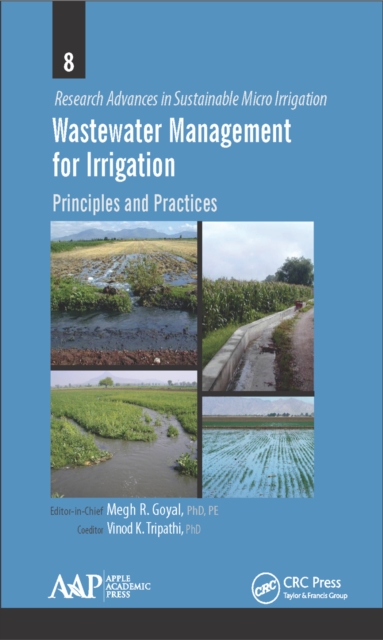
This book provides an overview of recent advances in technologies for water treatment processes, such as green technology, nano-adsorbents, photocatalysts, advanced oxidation, membranes separation and sustainable technologies.
From the mysterious depths of Lake Vostok, Antarctica, to tropical floodplain lakes, inland seas, hydro-reservoirs and the variety of waterbodies in our local environment, lakes encompass a huge diversity of shapes, sizes, depths, colours, and even salinities.
Groundwater Quality: Assessment and Environmental Impact first discusses arsenic contamination in groundwater, which has emerged as a major health hazard in India.
The Persian Gulf: Oceanography and Wildlife explores the concept of human presence in the Persian Gulf, discussing the subsequent impacts of anthropogenic activities on its marine ecosystems.
Oceanography of the coastal zone as an interdisciplinary science has received little attention, as most of the studies focus either on the physical oceanography or on the marine ecosystems, independently.
This is the first comprehensive international atlas featuring all ecological services provided by Ramsar wetlands, with complete views of all Ramsar sites, through remote sensing and mapping.
Acclaimed sporting and adventure writer Charles Gaines has spent much of his life on the water, around the world, fishing rod in hand, angling for trout, redfish, salmon, bonefish, bass, marlin, tuna, and practically everything else that swims.
Long regarded as an empty and inhospitable environment, the deep ocean is rapidly emerging as an ecological hot spot with a remarkable diversity of biological life.
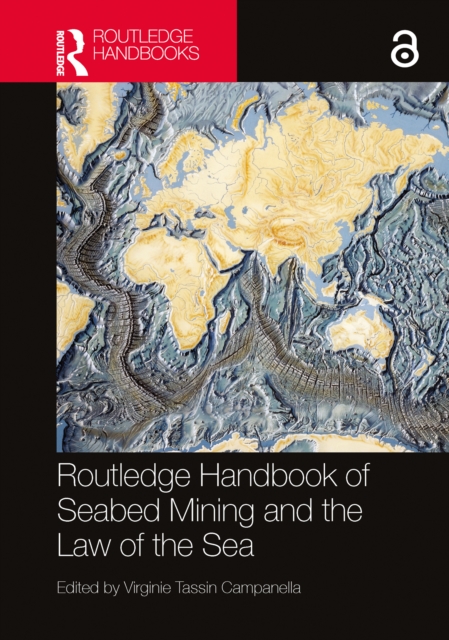
For years, exploration of seabed natural resources has been ongoing while exploitation in deep marine areas remained unrealistic due to land-based mineral availability and costs.
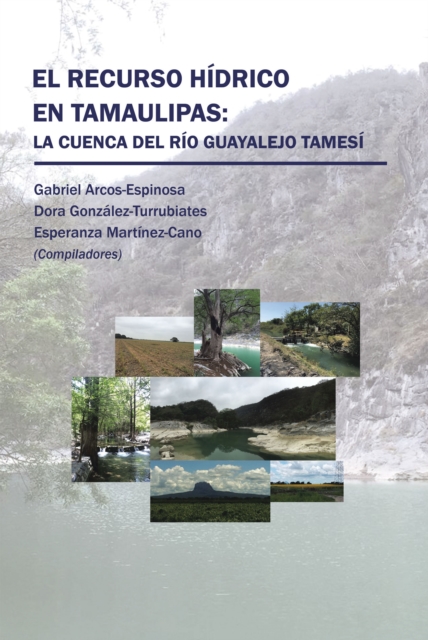
El agua es el elemento primordial para el desarrollo de todos los sectores de la economa de un pas y ms an, es imprescindible para la supervivencia y el bienestar de los seres humanos del planeta.
The contents of the book are assembled from selected papers presented during the International Conference on Isotopes in Environmental Studies - AQUATIC FORUM 2004 convened in Monaco from 25 to 29 October 2004, which was the most important gathering of the year of isotope environmental scientists.
Maritime Technology and Engineering 3 is a collection of papers presented at the 3rd International Conference on Maritime Technology and Engineering (MARTECH 2016, Lisbon, Portugal, 4-6 July 2016).
This book covers a wide range of topics within enviromental engineering and technologies including:* General environmental engineering* Clean energy and sustainability* Water and wastewater management* Public health and environment.
Rock Slope Engineering covers the investigation, design, excavation and remediation of man-made rock cuts and natural slopes, primarily for civil engineering applications.
Starting with the 2010 Gulf of Mexico Deepwater Horizon oil spill incident, Oil Spill Impacts: Taxonomic and Ontological Approaches chronicles a timeline of events that focus on the impact of oil spills and provides an understanding of these incidents using a number of approaches.
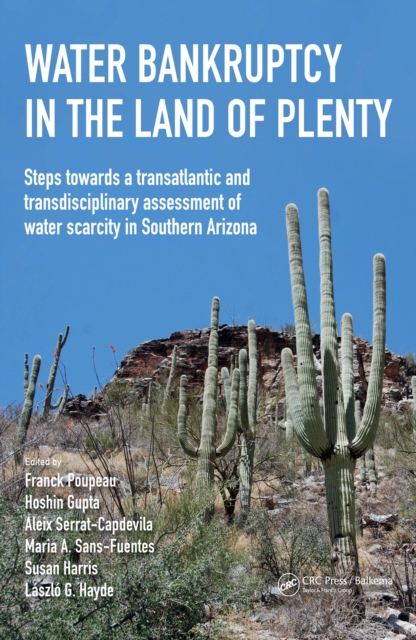
As the American Southwest faces its deepest drought in history, this book explores the provocative notion of "e;water bankruptcy"e; with a view towards emphasizing the diversity and complexity of water issues in this region.
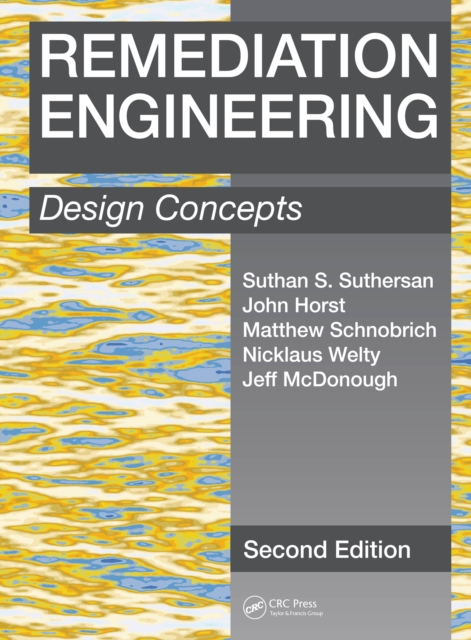
"e;This second edition of Remediation Engineering will continue to be the seminal handbook that regulators must have on-hand to address any of the remediation issues they are grappling with daily.
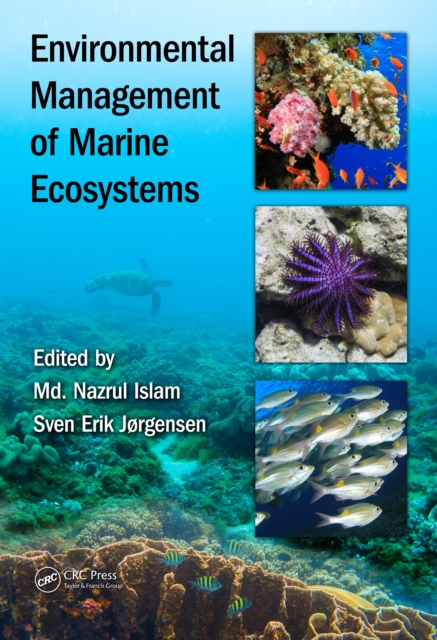
Ecosystem-Based Management (EBM) is one of the most holistic approaches to protecting marine and coastal ecosystems as it recognizes the need to protect entire marine ecosystems instead of individual species.
Rapid detection and indication of the microbiological quality of liquids is an emerging topic that has high potential for numerous applications in the fields of environmental monitoring, industrial process control and medical surveillance.
Water is now at the centre of world attention as never before and more professionals from all walks of life are engaging in careers linked to water - in public water supply and waste treatment, agriculture, irrigation, energy, environment, amenity management, and sustainable development.
Water is now at the centre of world attention as never before and more professionals from all walks of life are engaging in careers linked to water - in public water supply and waste treatment, agriculture, irrigation, energy, environment, amenity management, and sustainable development.
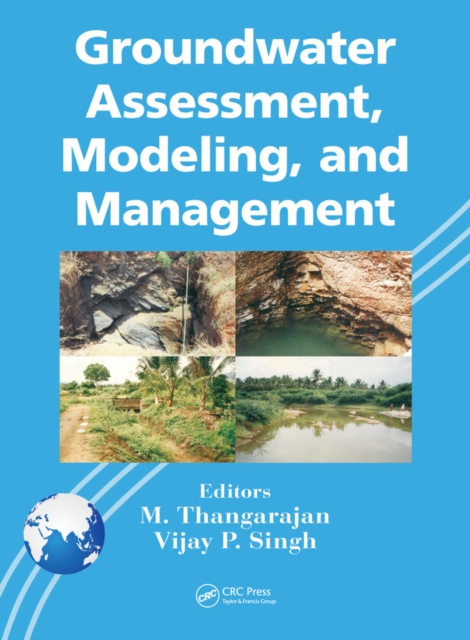
Your Guide to Effective Groundwater ManagementGroundwater Assessment, Modeling, and Management discusses a variety of groundwater problems and outlines the solutions needed to sustain surface and ground water resources on a global scale.
Satellite remote sensing, in particular by radar altimetry, is a crucial technique for observations of the ocean surface and of many aspects of land surfaces, and of paramount importance for climate and environmental studies.
Living Shorelines: The Science and Management of Nature-based Coastal Protection compiles, synthesizes and interprets the current state of the knowledge on the science and practice of nature-based shoreline protection.
Focuses On an Emerging Field in Water EngineeringA broad treatment of the Tsallis entropy theory presented from a water resources engineering point of view, Introduction to Tsallis Entropy Theory in Water Engineering fills a growing need for material on this theory and its relevant applications in the area of water engineering.
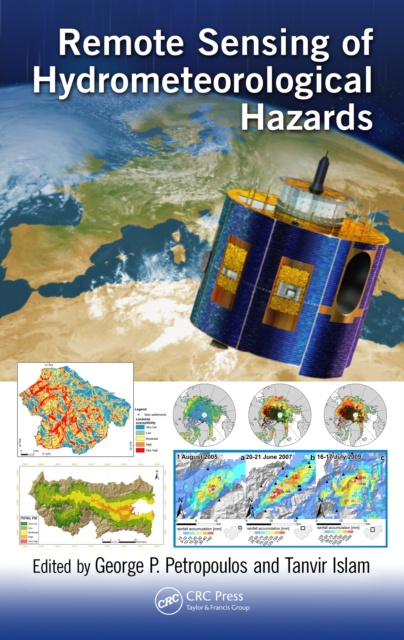
Environmental remote sensing plays a critical role in observing key hydrological components such as precipitation, soil moisture, evapotranspiration and total water storage on a global scale.
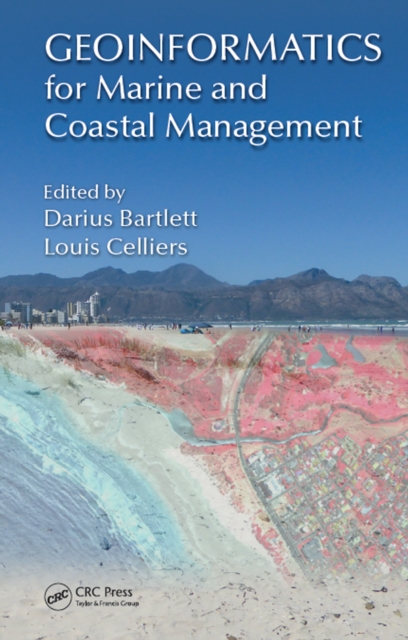
Geoinformatics for Marine and Coastal Management provides a timely and valuable assessment of the current state of the art geoinformatics tools and methods for the management of marine systems.
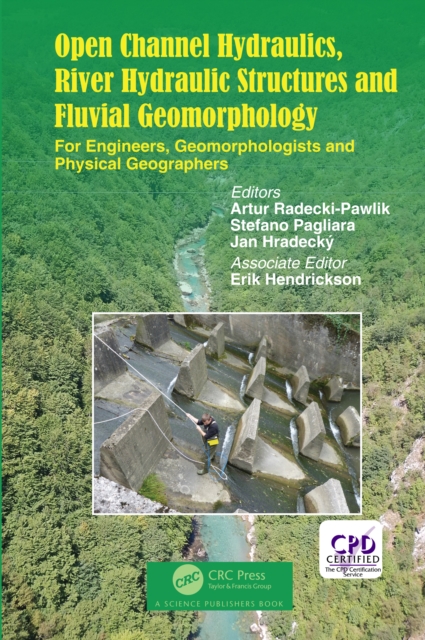
This book presents practical hydraulic and river engineering research along with fluvial geomorphological concepts, and links the theoretical and practical knowledge of people working every day with rivers, streams, and hydraulic structures to fluvial geomorphology.