Uncertainty in the predictions of science when applied to the environment is an issue of great current relevance in relation to the impacts of climate change, protecting against natural and man-made disasters, pollutant transport and sustainable resource management.
Starting with the 2010 Gulf of Mexico Deepwater Horizon oil spill incident, Oil Spill Impacts: Taxonomic and Ontological Approaches chronicles a timeline of events that focus on the impact of oil spills and provides an understanding of these incidents using a number of approaches.
With new regulations for radionuclides in drinking water, this volume will be valuable for understanding where radionuclides come from, how their prescence is determined, where humans come in contact with them, health effects consequences (both for individuals and communities), removal from water, disposal problems and cost implications.
Every year the Swiss Commission for Flood Protection (KOHS) of the Swiss Association for Water Management (SWV) organizes a symposium where professionals, officers of public administrations, and researchers exchange their experiences on special topics and key projects in river engineering and restoration.
This book is based on the Mid-Atlantic Industrial and Hazardous Waste Conference to bring together professionals interested in the advancement and application of technologies and methods for managing industrial and hazardous wastes.
Filled with tables, checklists, worksheets, and sample plans, Storm Water Discharges is a unique, nontechnical guide to the full spectrum of storm water issues.
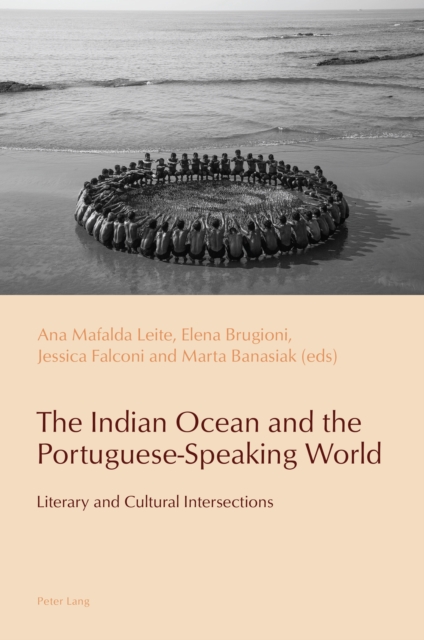
This volume analyses how visual and written narratives from Lusophone, or rather «Lusotopic», spaces – Portugal, Mozambique, East Timor and Goa – point to productive critical dialogues with the existing theories in Indian Ocean studies.
This book presents the R software environment as a key tool for oceanographic computations and provides a rationale for using R over the more widely-used tools of the field such as MATLAB.
This book presents the R software environment as a key tool for oceanographic computations and provides a rationale for using R over the more widely-used tools of the field such as MATLAB.
This title brings to light the discoveries and insights into the lives of many marine species made possible over the last decade by passive acoustic recorders (PAR).
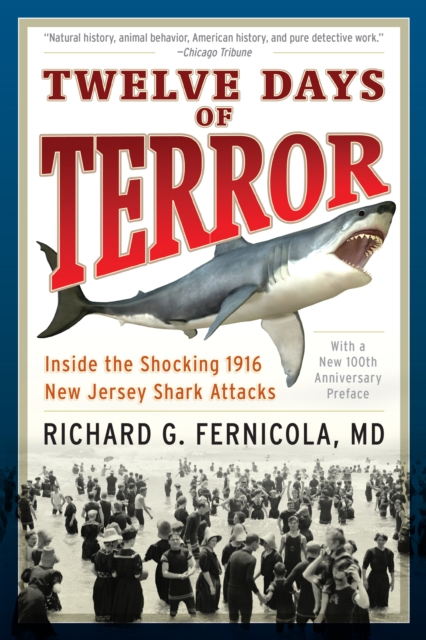
Upon the 100th anniversary of the most terrifying stretch of shark attacks in American history--a wave said to have been the inspiration for Jaws--comes a reissue of the classic Lyons Press account and investigation.
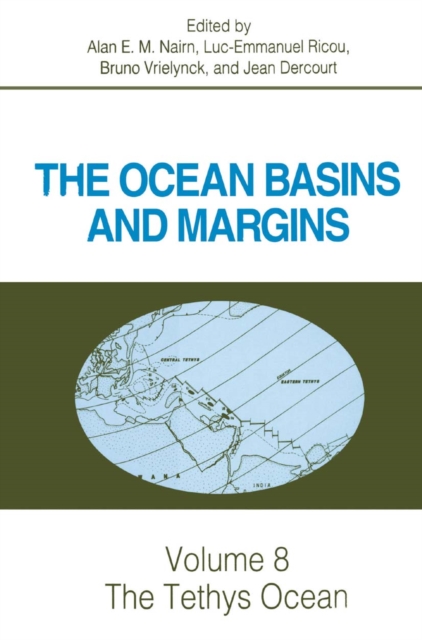
'A voluminous encyclopedia of Tethyan geology and, as such, it provides an invaluable source of information for those interested in this region, and Earth history in general.
There are many conferences, workshops and meetings annually around the world, each emphasizing a specialty area for scientific exploration and research.
This volume includes selected contributions presented during the 3rd edition of the international conference on WaterEnergyNEXUS, which was held in Tunisia in December 2020.
The idea of the Arctic Ocean as a mediterranean sea is a shock to those of us-and that includes most of us-who cannot shake ourselves free of the Mercatorean vision.
The idea of the Arctic Ocean as a mediterranean sea is a shock to those of us-and that includes most of us-who cannot shake ourselves free of the Mercatorean vision.
The great progress which has been made in recent years in the field of the chemical and physical properties of water and the dependence of the life processes on these makes it appear desirable to take water as an environment as the central theme and this subject occupies half the text.
The mighty river that flows through the capital of Canada was called in 'Grand River of the North' by the first French explorers, before they even knew of the existence of the Great Lakes which are part of the St Lawrence waterway today.
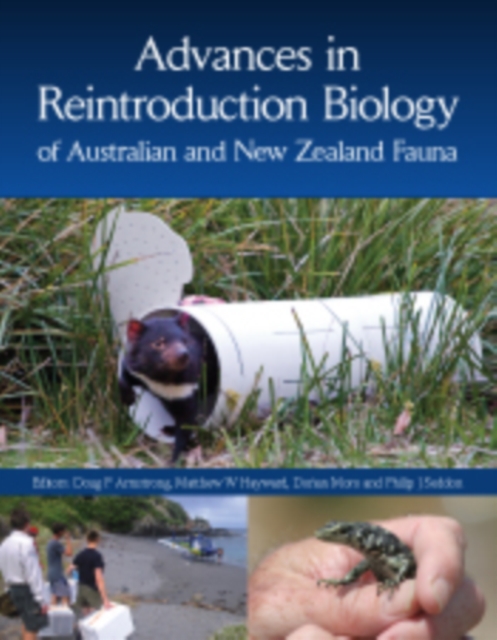
The publication of Reintroduction Biology of Australian and New Zealand Fauna nearly 20 years ago introduced the new science of 'reintroduction biology'.
The publication of Reintroduction Biology of Australian and New Zealand Fauna nearly 20 years ago introduced the new science of ‘reintroduction biology’.
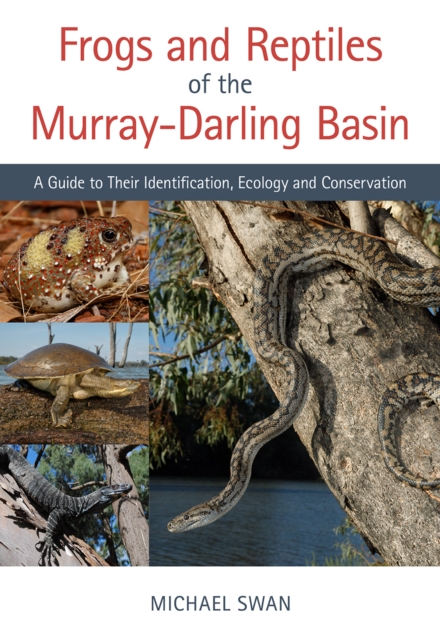
The Murray-Darling Basin spans more than 1 million square kilometres across the lower third of Queensland, most of New South Wales, the Australian Capital Territory, northern Victoria and the south-eastern corner of South Australia.
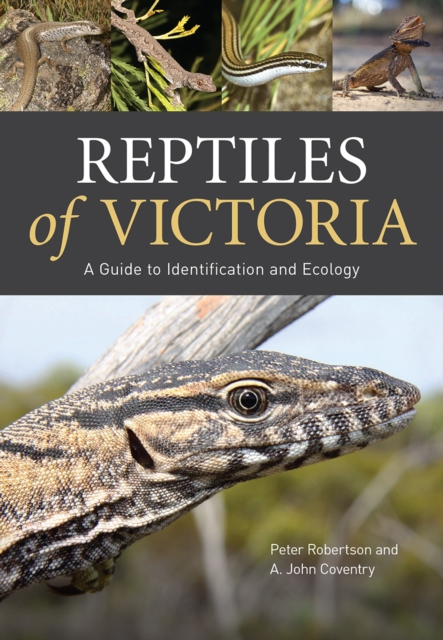
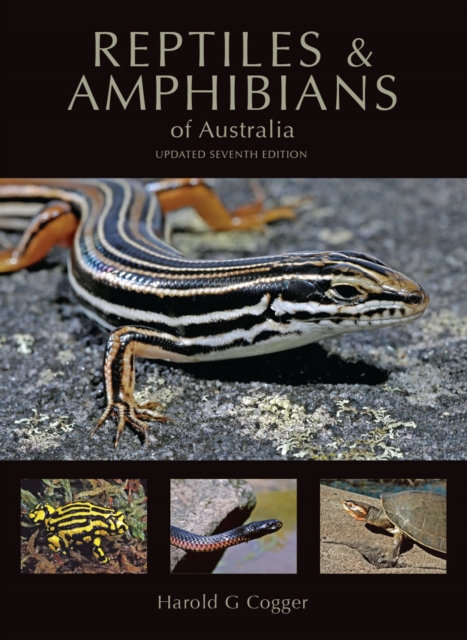
Reptiles and Amphibians of Australia is a complete guide to Australia's rich and varied herpetofauna, including frogs, crocodiles, turtles, tortoises, lizards and snakes.
The bioregion of Australia, New Zealand, Antarctica and New Guinea possesses a unique natural heritage stretching back over 80 million years since the break-up of the great southern continent of Gondwana.