Originally published in 1987 Rates of Evolution is an edited collection drawn from a symposium convened to bring together palaeontologists, geneticists, molecular biologists and developmental biologists to examine some aspects of the problem of evolutionary rates.
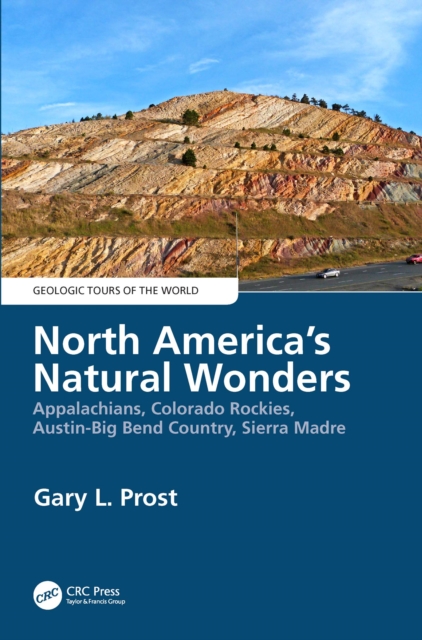
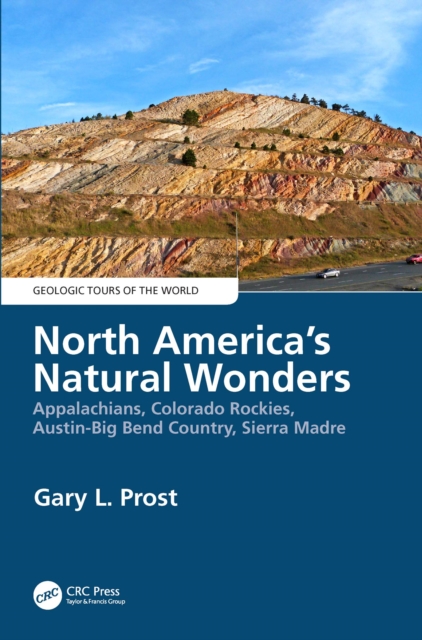
Written by a career geologist with decades of experience in the field, North America's Natural Wonders guides readers through the most iconic, geologically significant scenery in North America, points out features of interest, explains what they are seeing, and describes how these features came to be.
Written by a career geologist with decades of experience in the field, North America's Natural Wonders guides readers through the most iconic, geologically significant scenery in North America, points out features of interest, explains what they are seeing, and describes how these features came to be.
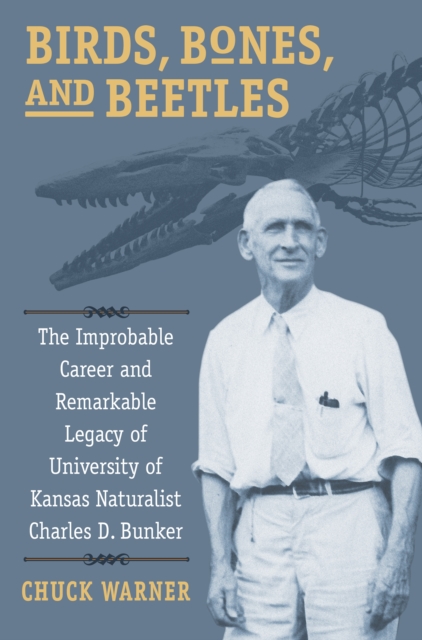
Finalist: High Plains Book AwardA Kansas Notable BookWinner: Martin Kansas History Book AwardWinner: Looks Like a Million AwardEvery day, in natural history museums all across the country, colonies of dermestid beetles diligently devour the decaying flesh off of animal skeletons that are destined for the museums specimen collection.
Finalist: High Plains Book AwardA Kansas Notable BookWinner: Martin Kansas History Book AwardWinner: Looks Like a Million AwardEvery day, in natural history museums all across the country, colonies of dermestid beetles diligently devour the decaying flesh off of animal skeletons that are destined for the museums specimen collection.
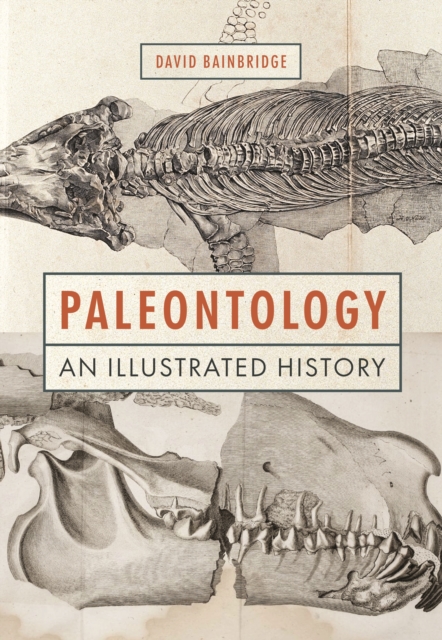
An illustrated look at the art and science of paleontology from its origins to todayHumans have been stumbling upon the petrified remains of ancient animals since prehistoric times, leading to tales of giant dogs, deadly dragons, tree gods, sea serpents, and all manner of strange and marvelous creatures.
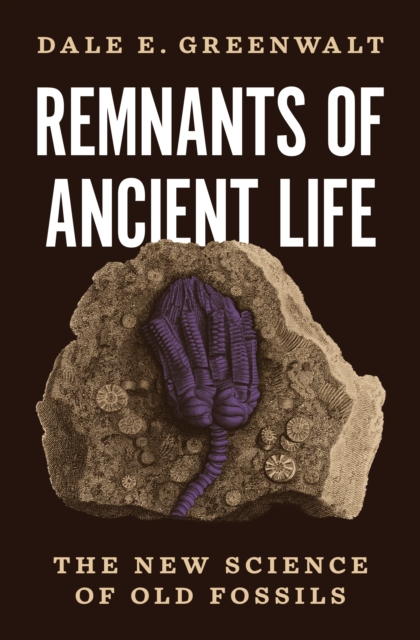
The revolution in science that is transforming our understanding of extinct lifeWe used to think of fossils as being composed of nothing but rock and minerals, all molecular traces of life having vanished long ago.
We cannot catechise our stony ichthyolites, as did the necromantic lady of the Arabian Nights did the coloured fishes of the lake which had once been a city, when she touched their dead bodies with her wand, and they straightaway raised their heads and rephed to her queries.
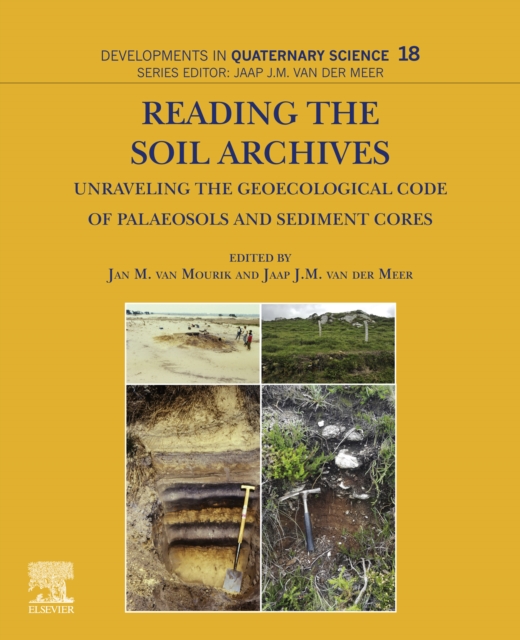
Reading the Soil Archives: Unraveling the Geoecological Code of Palaeosols and Sediment Cores, Volume 19, provides details of new techniques for understanding geological history in the form of quantitative pollen analyses, soil micromorphology, OSL (Optically Stimulated Luminescence) dating, phytolith analysis and biomarker analysis.
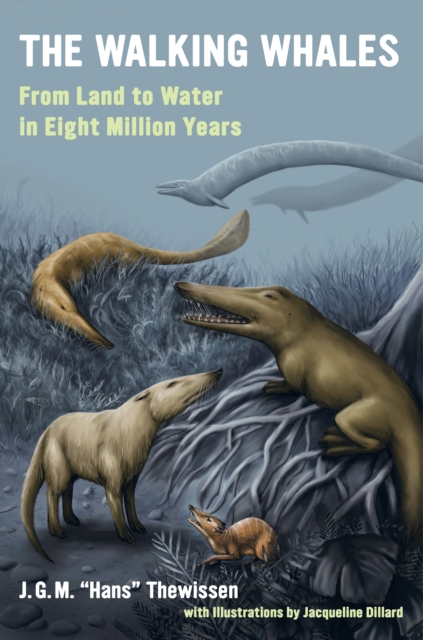
Hans Thewissen, a leading researcher in the field of whale paleontology and anatomy, gives a sweeping first-person account of the discoveries that brought to light the early fossil record of whales.
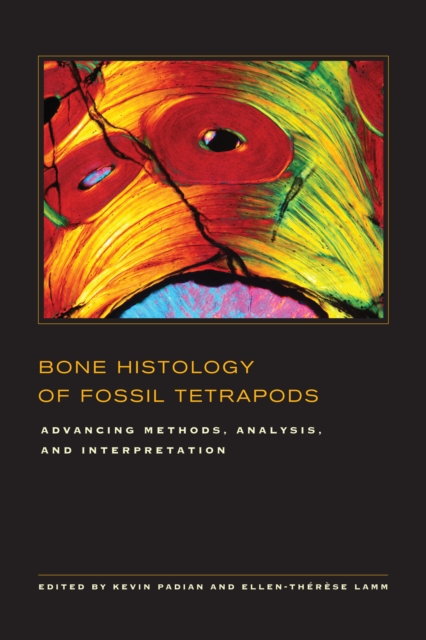
The microscopic examination of fossilized bone tissue is a sophisticated and increasingly important analytical tool for understanding the life history of ancient organisms.
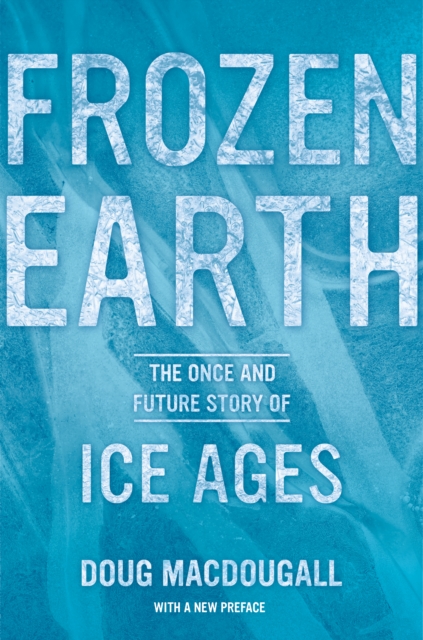
In this engrossing and accessible book, Doug Macdougall explores the causes and effects of ice ages that have gripped our planet throughout its history, from the earliest known glaciation-nearly three billion years ago-to the present.
From his stunning discovery of Tyrannosaurus rex one hundred years ago to the dozens of other important new dinosaur species he found, Barnum Brown led a remarkable life (1873-1963), spending most of it searching for fossils-and sometimes oil-in every corner of the globe.
This captivating book, laced with evocative anecdotes from the field, gives the first holistic, up-to-date overview of dinosaurs and their world for a wide audience of readers.
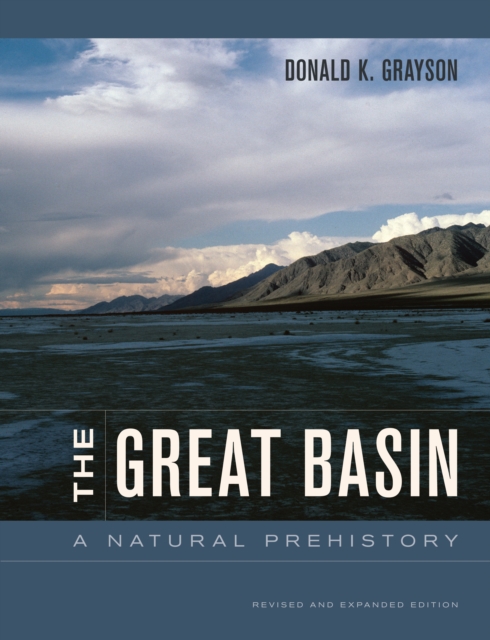
Covering a large swath of the American West, the Great Basin, centered in Nevada and including parts of California, Utah, and Oregon, is named for the unusual fact that none of its rivers or streams flow into the sea.
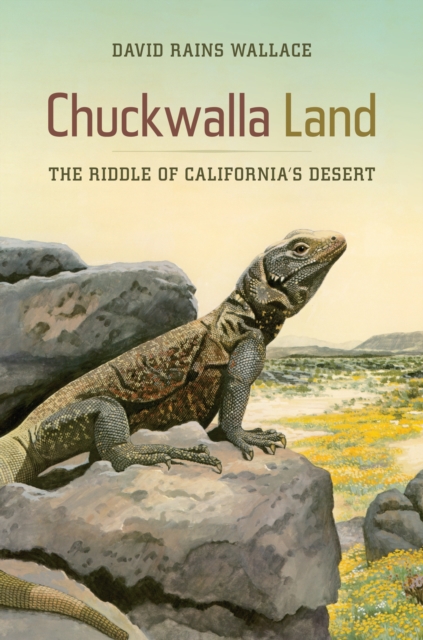
Described as "e;a writer in the tradition of Henry David Thoreau, John Muir, and other self-educated seers"e; by the San Francisco Chronicle, David Rains Wallace turns his attention in this new book to another distinctive corner of California-its desert, the driest and hottest environment in North America.
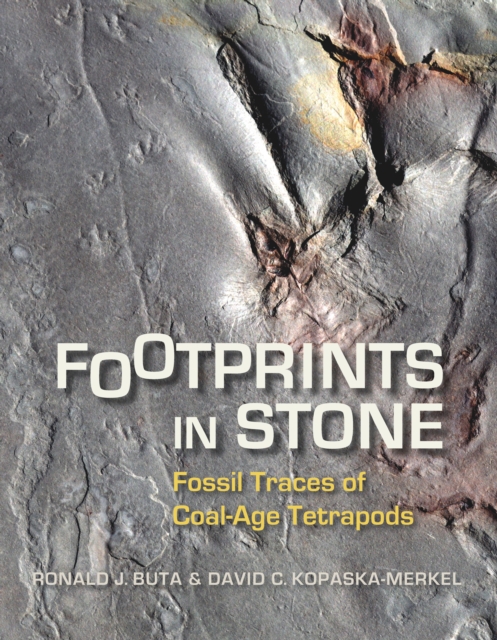
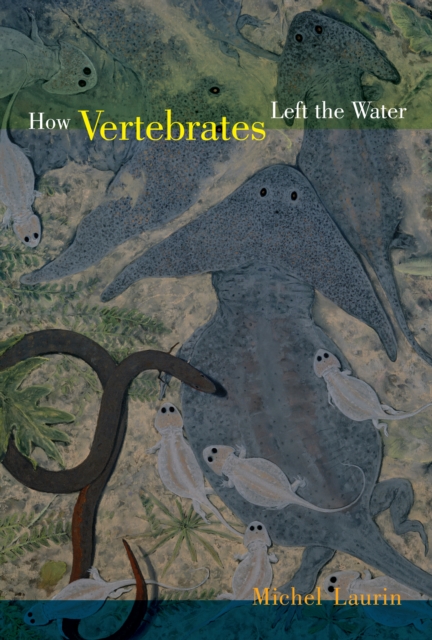
More than three hundred million years ago-a relatively recent date in the two billion years since life first appeared-vertebrate animals first ventured onto land.
When the The Dinosauria was first published more than a decade ago, it was hailed as "e;the best scholarly reference work available on dinosaurs"e; and "e;an historically unparalleled compendium of information.
Mammals first evolved at about the same time as dinosaurs, and their story is perhaps the more fascinating of the two-in part because it is also our own story.
This volume, the first in a series devoted to the paleoanthropological resources of the Middle Awash Valley of Ethiopia, studies Homo erectus, a close relative of Homo sapiens.
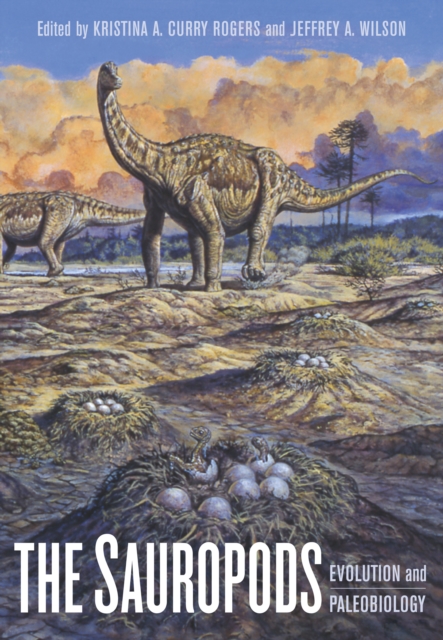
Sauropod dinosaurs were the largest animals ever to walk the earth, and they represent a substantial portion of vertebrate biomass and biodiversity during the Mesozoic Era.
This book chronicles the discovery and analysis of animal fossils found in one of the most important paleontological sites in the world-Porcupine Cave, located at an elevation of 9,500 feet in the Colorado Rocky Mountains.
Always a controversial and compelling topic, the origin of life on Earth was considered taboo as an area of inquiry for science as recently as the 1950s.
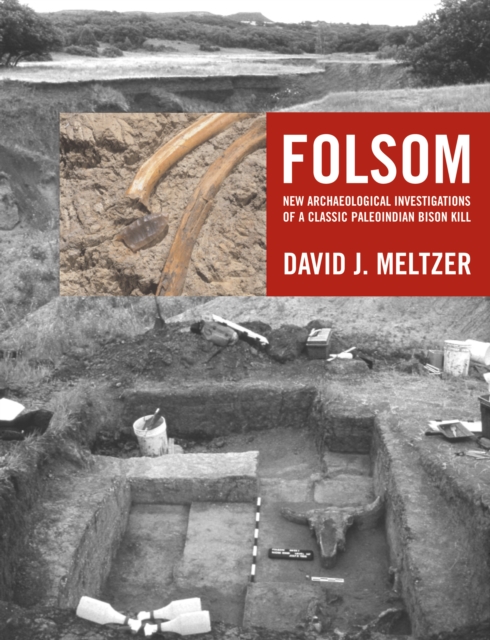
The North American Great Plains and Rocky Mountains have yielded many artifacts and other clues about the prehistoric people who once lived there, but little is understood about the hunting practices that ensured their survival for thousands of years.
Reading the Soil Archives: Unraveling the Geoecological Code of Palaeosols and Sediment Cores, Volume 19, provides details of new techniques for understanding geological history in the form of quantitative pollen analyses, soil micromorphology, OSL (Optically Stimulated Luminescence) dating, phytolith analysis and biomarker analysis.
Ostracod crustaceans, common microfossils in marine and freshwater sedimentary records, supply evidence of past climatic conditions via indicator species, transfer function and mutual climatic range approaches as well as the trace element and stable isotope geochemistry of their shells.
The Ancient Human Occupation of Britain Project (AHOB) funded by the Leverhulme Trust began in 2001 and brought together researchers from a range of disciplines with the aim of investigating the record of human presence in Britain from the earliest occupation until the end of the last Ice Age, about 12,000 years ago.
Snakes of the World: A Catalogue of Living and Extinct Species, published in 2014, was the first catalogue of its kind and covered all living and fossil snakes described between 1758 and 2012.
Snakes of the World: A Catalogue of Living and Extinct Species, published in 2014, was the first catalogue of its kind and covered all living and fossil snakes described between 1758 and 2012.