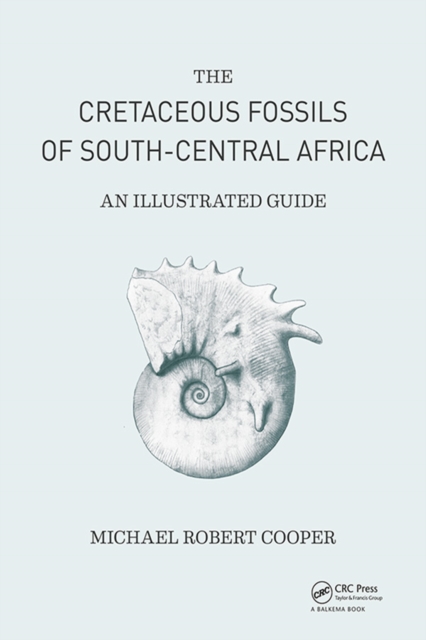
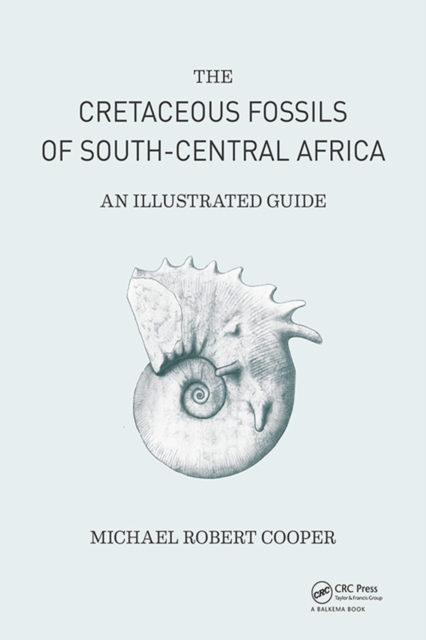
This book serves as an introduction to the Cretaceous geology and palaeontology of south-central Africa, covering the whole of Southern and Eastern Africa and Angola.
This book serves as an introduction to the Cretaceous geology and palaeontology of south-central Africa, covering the whole of Southern and Eastern Africa and Angola.
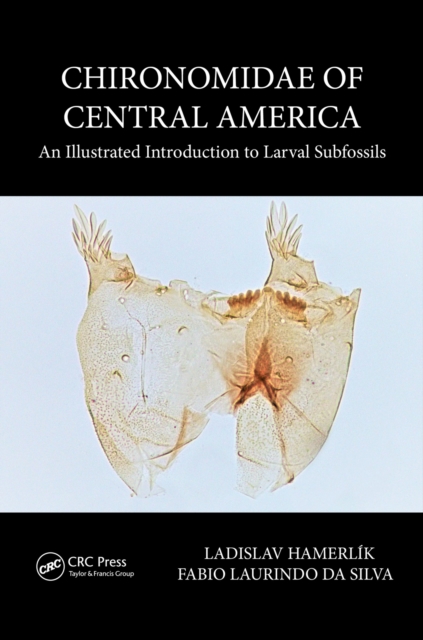
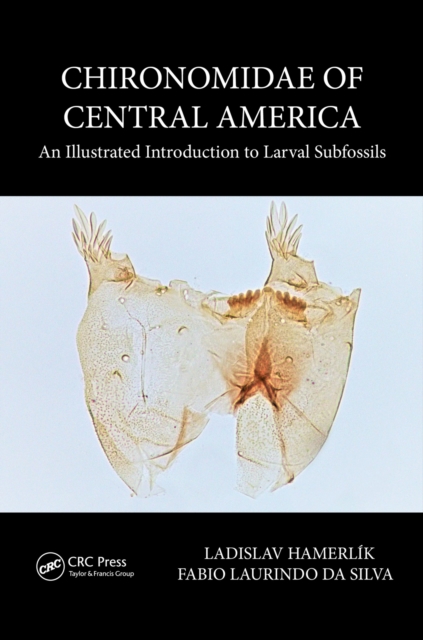
This illustrated introduction to Central American Chironomidae offers extensive photographic material, as well as detailed morphological and ecological descriptions of chironomid subfossils found in Central American lake sediments.
Originally published in 1899, The History of Creation was the first book of its kind to apply a doctrine to the whole range of organic morphology and make use of the effect Darwin had on biological sciences during the 19th century.
This illustrated introduction to Central American Chironomidae offers extensive photographic material, as well as detailed morphological and ecological descriptions of chironomid subfossils found in Central American lake sediments.
Originally published in 1899, The History of Creation was the first book of its kind to apply a doctrine to the whole range of organic morphology and make use of the effect Darwin had on biological sciences during the 19th century.
This book provides a novel focus on adaptive explanations for cranial and postcranial features and functional complexes, socioecological systems, life history patterns, etc.
Biogeography is a vital component in many aspects of Primatology, including studies of evolution, speciation systematics, population genetics, and community ecology.
Over the past 25 years, a stream of fossil and artifact discoveries in the Afar Depression of Ethiopia has produced the longest single record of human ancestors in the world.
Blending scientific and legal expertise, Kunich proves that a devastating ecological crisis is imminent or even underway already, and that conservation law has yet to catch up with biological science.
When Ceri Levy asked Ralph Steadman to produce one piece of art representing an extinct bird for a recent exhibition, Ghosts of Gone Birds, Ralph said 'yes'.
Cenozoic Foraminifera and Calcareous Nannofossil Biostratigraphy of the Niger Delta is available just as exploration and production activities are moving into the little known deep water terrain of the Niger Delta.
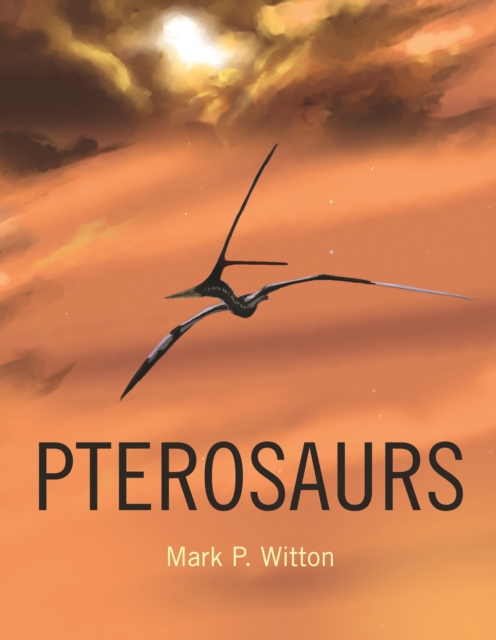
The most authoritative illustrated book on flying reptiles availableFor 150 million years, the skies didn't belong to birdsthey belonged to the pterosaurs.
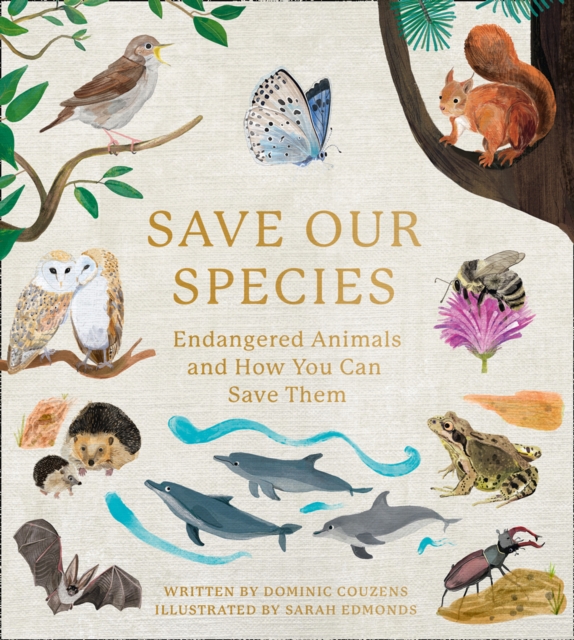
Whether you would like to learn how to build a bird box, dig a hedgehog tunnel or implement broader environmental changes in your community, this practical guide to saving our most endangered species will teach you how you can help on an individual, local and national level.
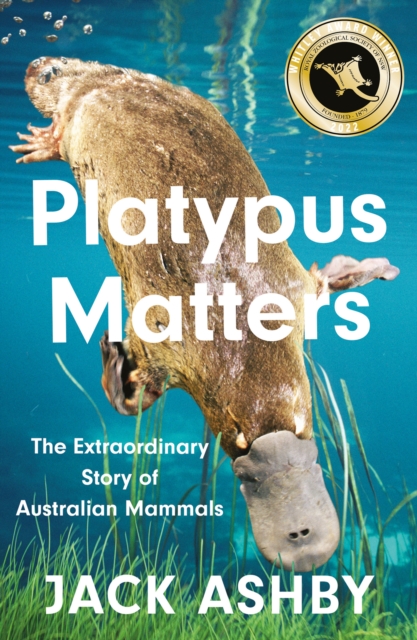
Winner of the Whitley Award for Best Natural History Book 2022A compelling, funny, first-hand account of Australia's wonderfully unique mammals and how our perceptions impact their future.
'Wonderful and enriching' Adam Nicolson'The best book on conservation and the countryside I have read in years' John Lewis-Stempel'A modern pastoral written with intelligence, wit and lyricism' Cal FlynOur wild places and wildlife are disappearing at a terrifying rate.
'The who, what, where, when and how of human evolution, from one of the world's experts on the dating of prehistoric fossils' Steve Brusatte, author of The Rise and Fall of the Dinosaurs 'Fascinating and entertaining.
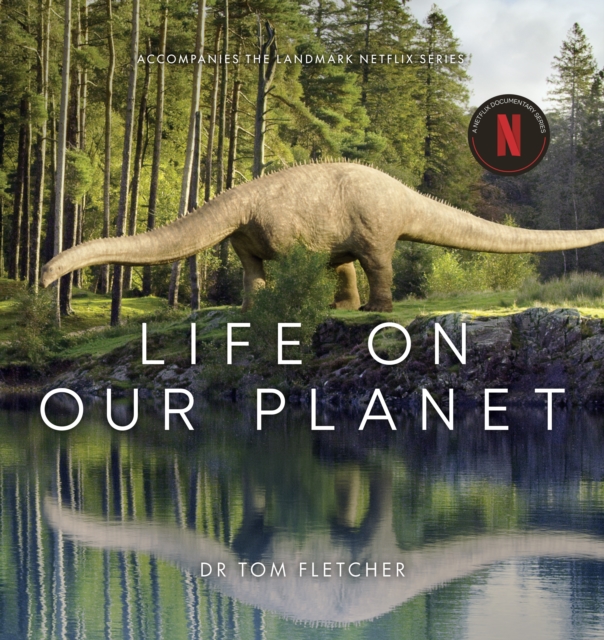
FOYLES NON-FICTION BOOK OF THE YEARA SUNDAY TIMES TOP TEN BESTSELLERTHE WAINWRIGHT PRIZE FOR NATURE WRITING - HIGHLY COMMENDEDLONGLISTED FOR THE BAILLIE GIFFORD PRIZE FOR NON-FICTIONA BEST BOOK OF THE YEAR IN THE SUNDAY TIMES, TELEGRAPH, PROSPECT, THE NEW YORKER AND BBC HISTORY WATERSTONES NON-FICTION BOOK OF THE MONTH'The best book on the history of life on Earth I have ever read' Tom Holland'Epically cinematic.
A comprehensive and fully illustrated guide, this book is the definitive photographic reference guide for anyone interested in butterflies and moths found in Britain and Ireland.
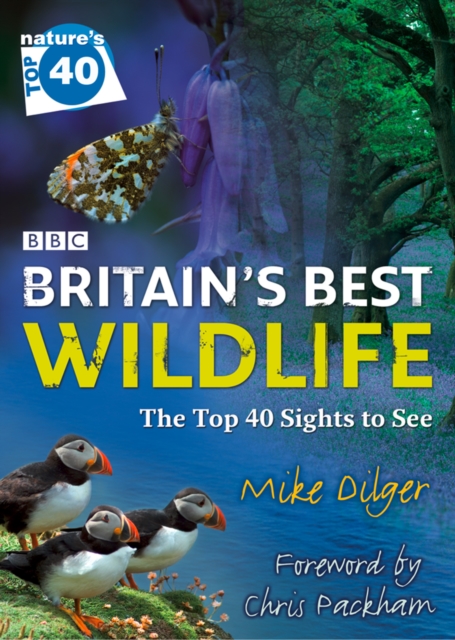
From leaping dolphins to boxing hares, soaring eagles to the beat of a million wings - the British Isles offer some of the richest and most varied wildlife encounters in Europe.
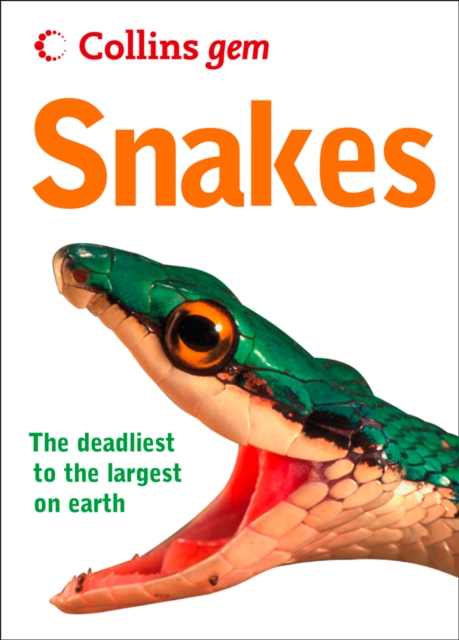
An easy-to-use and authoritative guide to over 220 species of snake from around the world, each entry specially selected to show the diversity of size, shape and colour of these respected creatures.
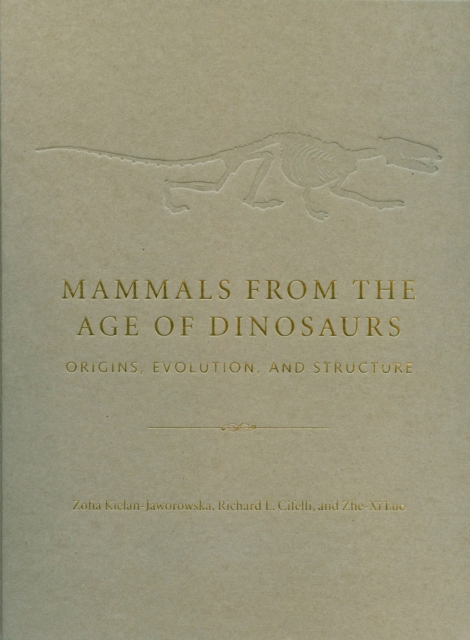
Over the past twenty years, paleontologists have made tremendous fossil discoveries, including fossils that mark the growth of whales, manatees, and seals from land mammals and the origins of elephants, horses, and rhinos.
The last five years have been marked by rapid technological and analytical developments in the study of shore processes and in the comprehension of shore deposits and forms, and shoreline change over time.
The perfect companion for the safari enthusiast, this complete traveller's guide to the wildlife of Namibia, Botswana, Zimbabwe, South Africa and Malawi is a must-have for all those considering a trip to the game reserves of this highly popular region.
British Bats is a comprehensive account of the natural history of these fascinating animals, from their origins and evolution to their feeding habits and reproduction.
Building on the solid foundations established by the two earlier New Naturalist volumes on this subject, eminent herpetologists Trevor Beebee and Richard Griffiths have brought together a wealth of new and fascinating information on the British amphibians and reptiles.