Environmental remote sensing plays a critical role in observing key hydrological components such as precipitation, soil moisture, evapotranspiration and total water storage on a global scale.
Remote Sensing Image Fusion: A Practical Guide gives an introduction to remote sensing image fusion providing an overview on the sensors and applications.
Land is important to all aspects of human life and has a key role in the economic well-being of society therefore, land tenure, land ownership, and real property law is a critical part of any developed nation.
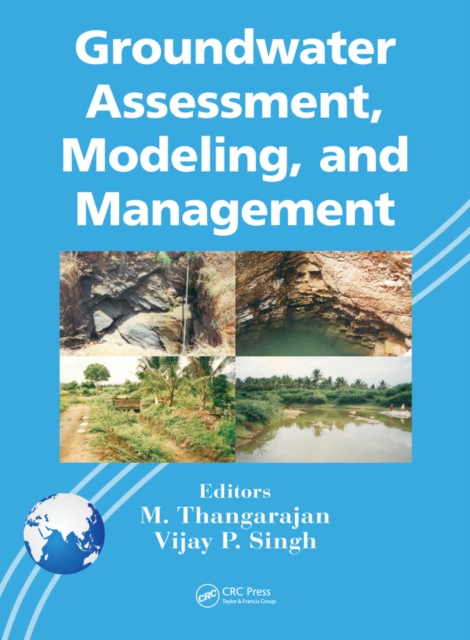
Your Guide to Effective Groundwater ManagementGroundwater Assessment, Modeling, and Management discusses a variety of groundwater problems and outlines the solutions needed to sustain surface and ground water resources on a global scale.
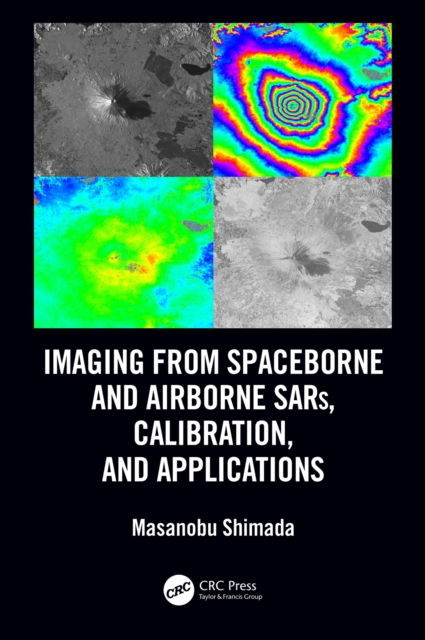
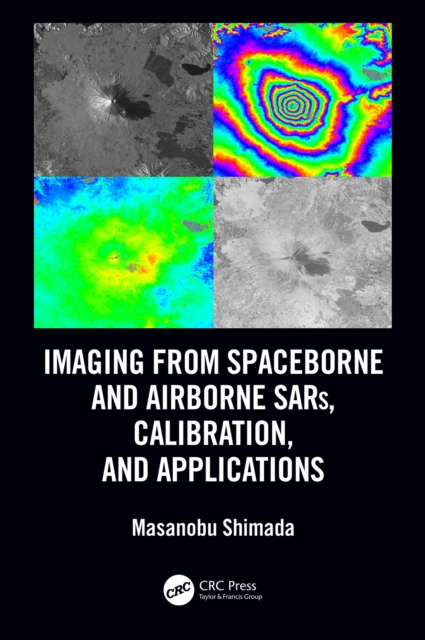
Sixty years after its birth, Synthetic Aperture Radar (SAR) evolved as a key player of earth observation, and it is continually upgraded by enhanced hardware functionality and improved overall performance in response to user requirements.
Sixty years after its birth, Synthetic Aperture Radar (SAR) evolved as a key player of earth observation, and it is continually upgraded by enhanced hardware functionality and improved overall performance in response to user requirements.
This book explores intelligent systems in computing and informatics, focusing specifically on their role in advancing Sustainable Development Goal (SDG) No.
Media Boundaries and Conceptual Modelling forms part of the humanities tradition by facing one of the fundamental problems since antiquity: how different media represent the world we live in.
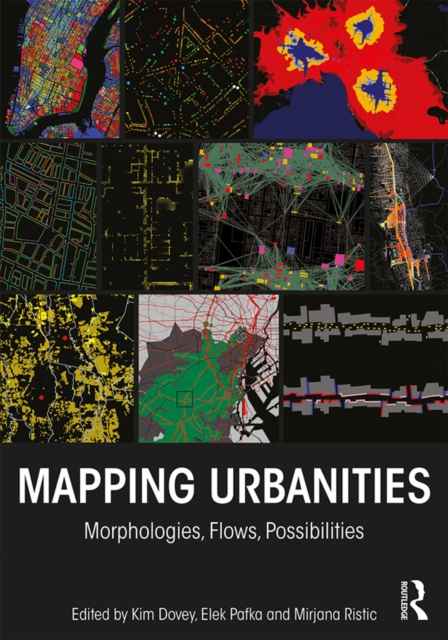
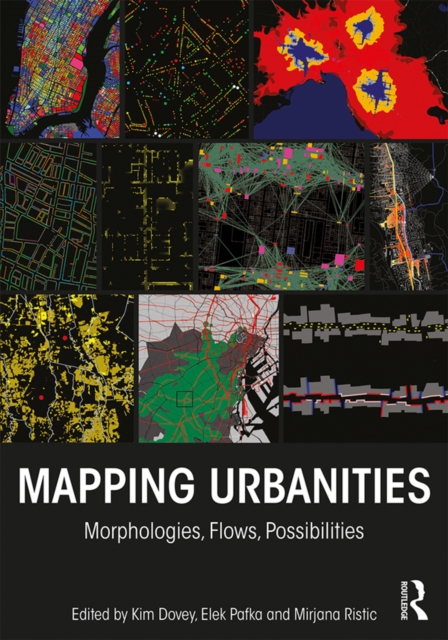
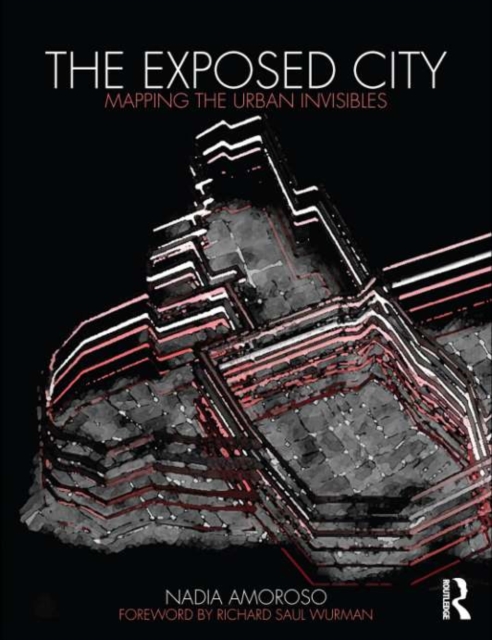
There is a vast amount of information about a city which is invisible to the human eye - crime levels, transportation patterns, cell phone use and air quality to name just a few.
There is a vast amount of information about a city which is invisible to the human eye - crime levels, transportation patterns, cell phone use and air quality to name just a few.
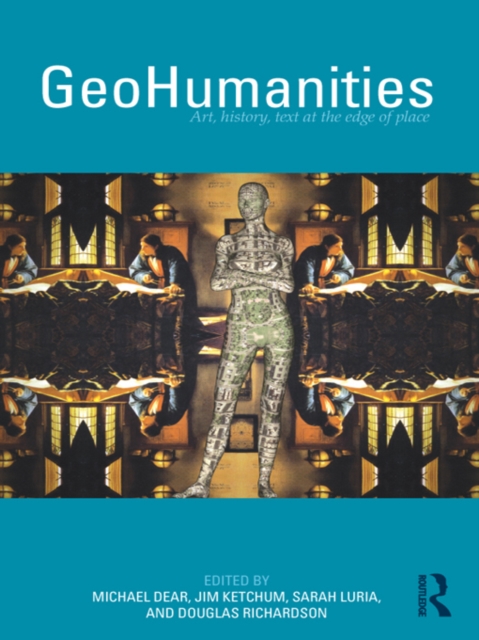
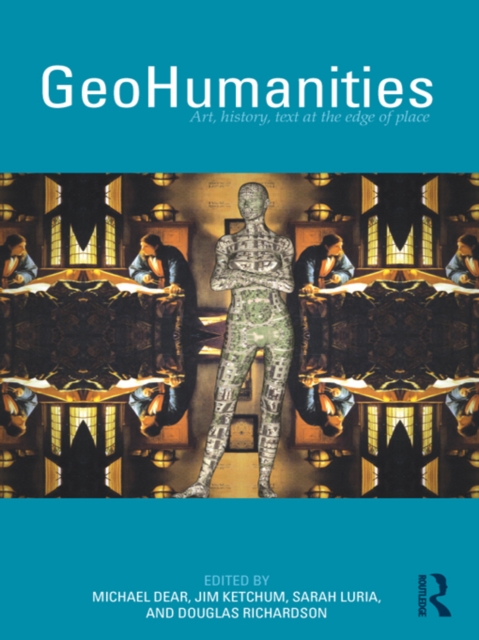
In the past decade, there has been a convergence of transdisciplinary thought characterized by geography's engagement with the humanities, and the humanities' integration of place and the tools of geography into its studies.
In the past decade, there has been a convergence of transdisciplinary thought characterized by geography's engagement with the humanities, and the humanities' integration of place and the tools of geography into its studies.
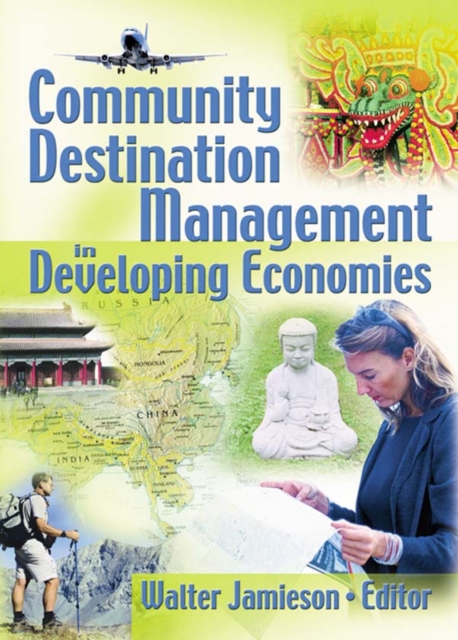
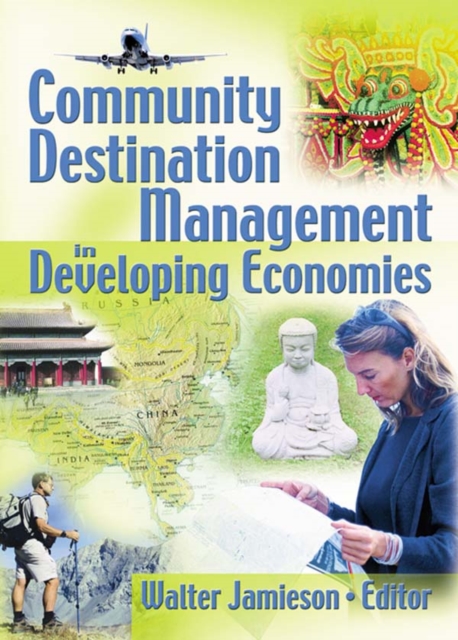
The practical, user-friendly guide to creating a sustainable future for destinations in developing economiesCommunity Destination Management in Developing Economies is a user-friendly guide that provides a comprehensive view of the issues facing planners, policymakers, and destination managers who attempt to ensure a sustainable future
The practical, user-friendly guide to creating a sustainable future for destinations in developing economiesCommunity Destination Management in Developing Economies is a user-friendly guide that provides a comprehensive view of the issues facing planners, policymakers, and destination managers who attempt to ensure a sustainable future
The consumption and distribution of food, as well as its production, has become a major public policy issue over the past few decades; what we eat is no longer merely a private matter but carries significant externalities for wider society.
The consumption and distribution of food, as well as its production, has become a major public policy issue over the past few decades; what we eat is no longer merely a private matter but carries significant externalities for wider society.
Robert Chambers returns with a new book that reviews, together for the first time, some of the revolutionary changes in the methodologies and methods of development inquiry that have occurred in the past forty years, and reflects on their transformative potential for the future.
Robert Chambers returns with a new book that reviews, together for the first time, some of the revolutionary changes in the methodologies and methods of development inquiry that have occurred in the past forty years, and reflects on their transformative potential for the future.
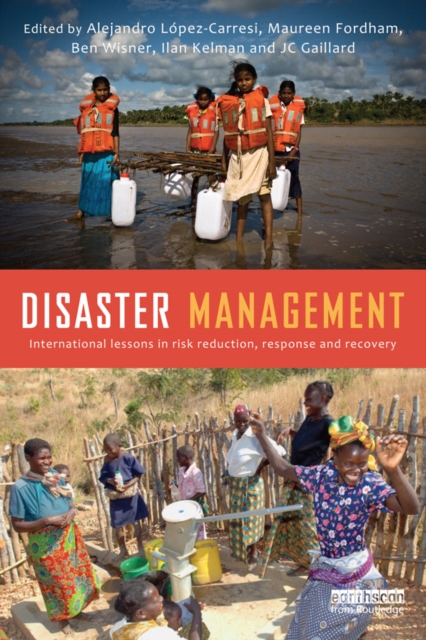
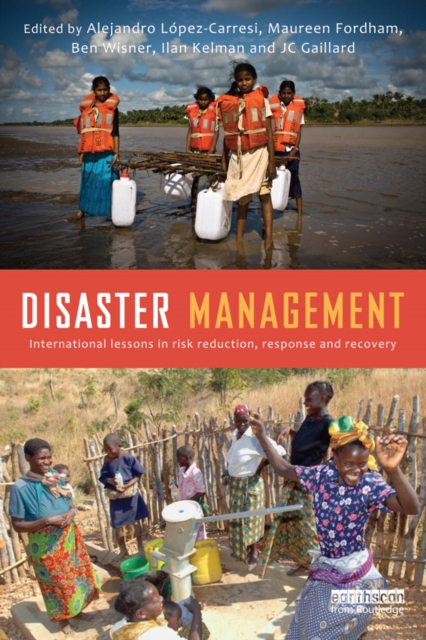
From Hurricane Katrina and the south Asian tsunami to human-induced atrocities, terrorist attacks and the looming effects of climate change, the world is assailed by both natural and unnatural hazards and disasters.
From Hurricane Katrina and the south Asian tsunami to human-induced atrocities, terrorist attacks and the looming effects of climate change, the world is assailed by both natural and unnatural hazards and disasters.
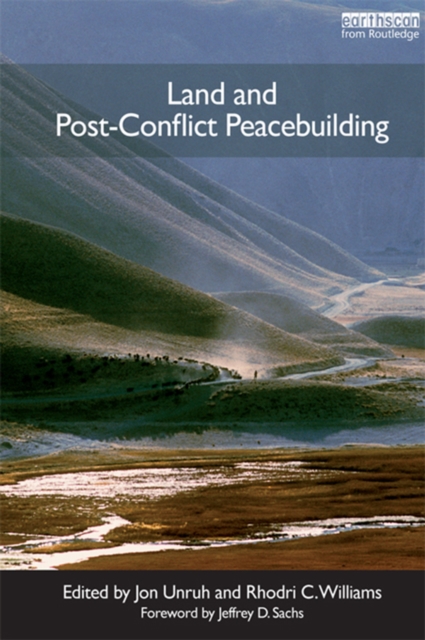
Claims to land and territory are often a cause of conflict, and land issues present some of the most contentious problems for post-conflict peacebuilding.
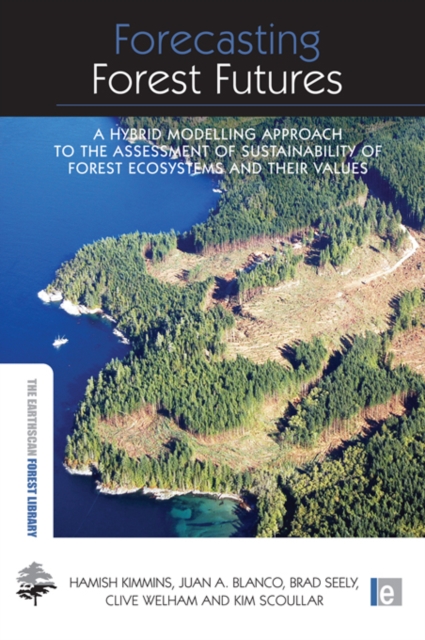
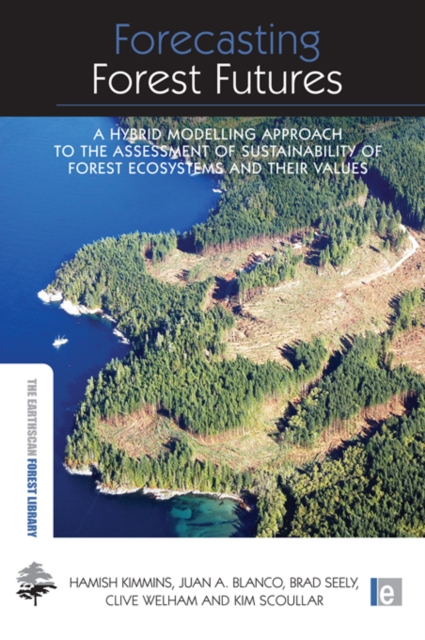
Modelling is an important tool for understanding the complexity of forest ecosystems and the variety of interactions of ecosystem components, processes and values.
Modelling is an important tool for understanding the complexity of forest ecosystems and the variety of interactions of ecosystem components, processes and values.
P&P Brantingham's enormous contribution to criminology has paved the way for major theoretical and empirical developments in the understanding of crime and its respective patterns, prevention, and geometry.
P&P Brantingham's enormous contribution to criminology has paved the way for major theoretical and empirical developments in the understanding of crime and its respective patterns, prevention, and geometry.
Precision agriculture (PA) involves the application of technologies and agronomic principles to manage spatial and temporal variation associated with all aspects of agricultural production in order to improve crop performance and environmental quality.
Precision agriculture (PA) involves the application of technologies and agronomic principles to manage spatial and temporal variation associated with all aspects of agricultural production in order to improve crop performance and environmental quality.
The book integrates the knowledge and reflections of 30 scientists, of which many have dedicated a substantial part of their professional life to the Galapagos archipelago, to the conservation of its biodiversity and to the sustainable management of its resources.
The book integrates the knowledge and reflections of 30 scientists, of which many have dedicated a substantial part of their professional life to the Galapagos archipelago, to the conservation of its biodiversity and to the sustainable management of its resources.