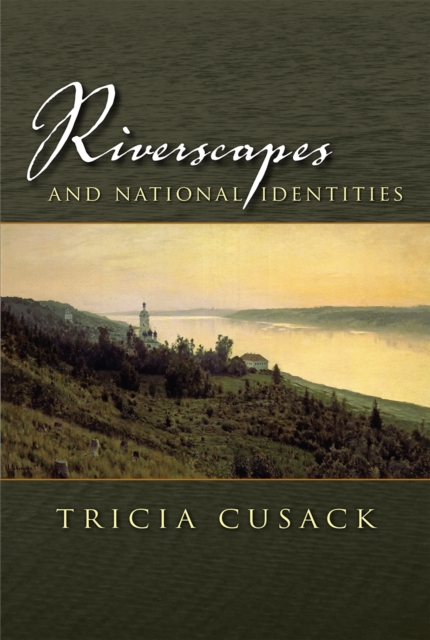
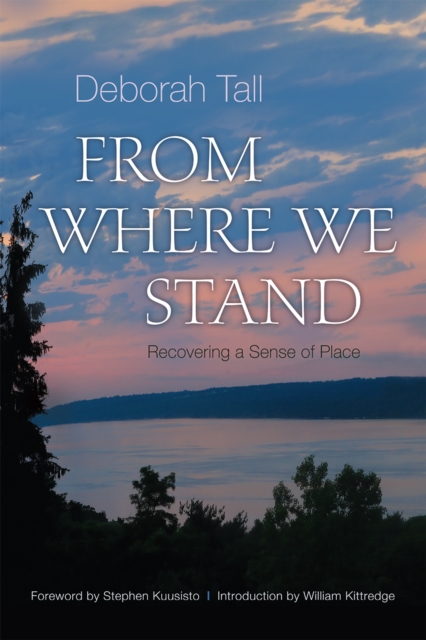
Painted riverscapes such as Claude Monet's impressions of the Seine, Isaak Levitan's Volga views, or Thomas Cole's Hudson scenery became iconic not least because they embodied nationalist ideas about place and about culture.
Spaces and Politics of Motherhood offers a fresh perspective on maternity based on original qualitative research from the United Kingdom and the United States.
This book provides a one-stop resource for understanding the full dimensions of income inequality in the United States, including chief socioeconomic drivers of inequality and proposals to reduce the widening gap between rich and poor in America.
Sustainable Planet is a two-volume resource that provides comprehensive coverage on the world's most pressing environmental issues, their impact in countries around the world, and how-or if-they are being addressed.
This extensive reference examines extreme political movements and the political, cultural, and economic conditions that breed them, from the alt-right in the United States to the Houthi rebel movement in Yemen and the question of Taiwan's independence.
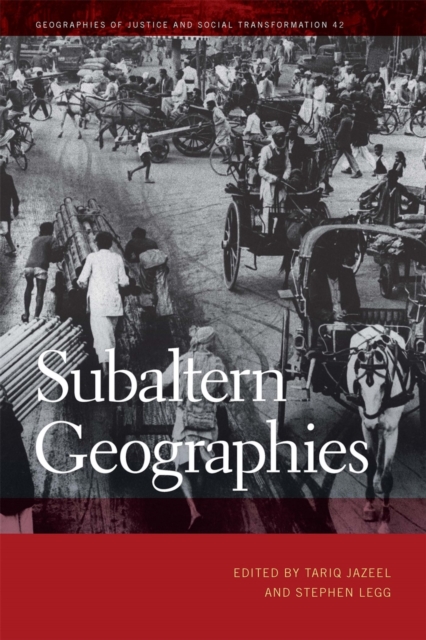
Subaltern Geographies is the first book-length discussion addressing the relationship between the historical innovations of subaltern studies and the critical intellectual practices and methodologies of cultural, urban, historical, and political geography.
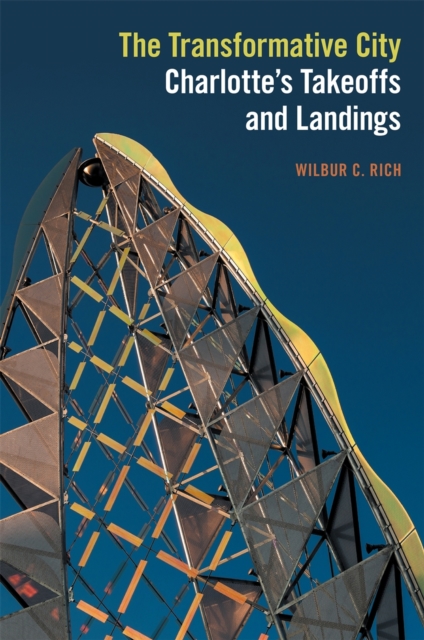
Sunbelt cities like Atlanta, Charlotte, and Miami, with their international airports, have a transportation advantage that overwhelms global competition from other southern cities.
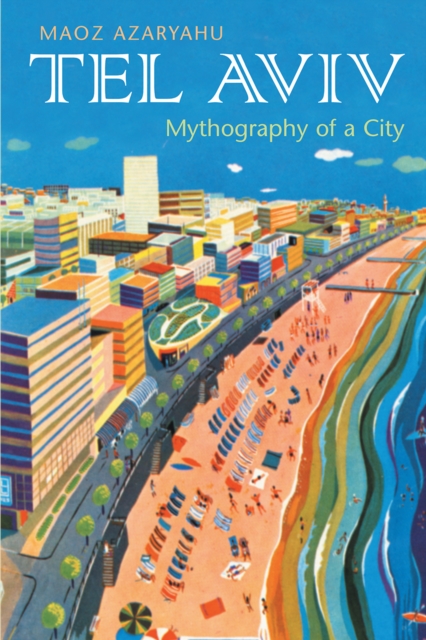
Founded in 1909 as a "e;garden suburb"e; of the Mediterranean port of Jaffa, Tel Aviv soon became a model of Jewish self-rule and was celebrated as a jewel in the crown of Hebrew revival.
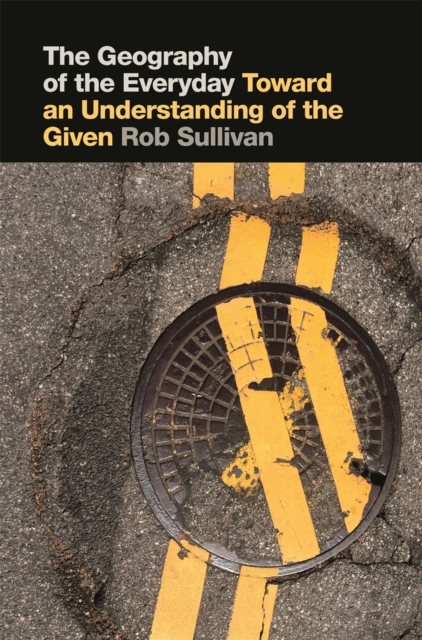
Anthropologists, psychologists, feminists, and sociologists have long studied the "e;everyday,"e; the quotidian, the taken-for-granted; however, geographers have lagged behind in engaging with this slippery aspect of reality.
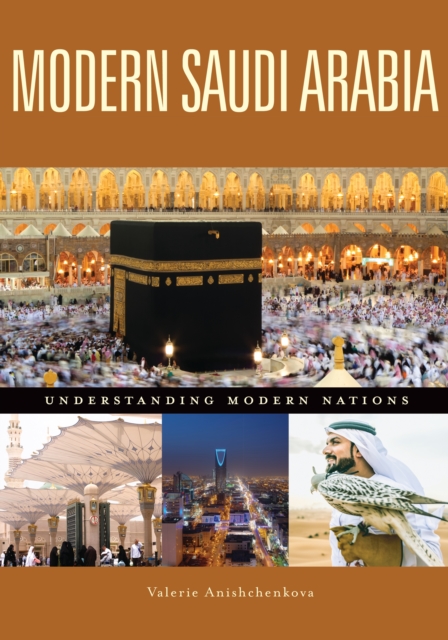
This thematic encyclopedia examines contemporary and historical Saudi Arabia, with entries that fall under such themes as geography, history, government and politics, religion and thought, food, etiquette, media, and much more.
This book provides a one-stop resource for understanding the full dimensions of income inequality in the United States, including chief socioeconomic drivers of inequality and proposals to reduce the widening gap between rich and poor in America.
Theorising Literary Islands is a literary and cultural study of both how and why the trope of the island functions within contemporary popular Robinsonade narratives.
Caribbean Island Movements explores the different ways in which being mobile is central to the production and reproduction of social identities on the Caribbean island of Culebra.
The conviction that we all have, possess or inhabit a discrete culture, and have done so for centuries, is one of the more dominant default assumptions of our contemporary politico-intellectual moment.
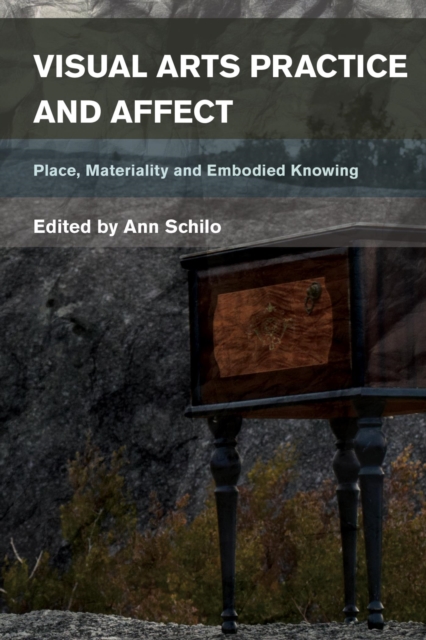
Visual Arts Practice and Affect brings together a group of artist scholars to explore how visual arts can offer unique insights into the understanding of place, memory and affect.
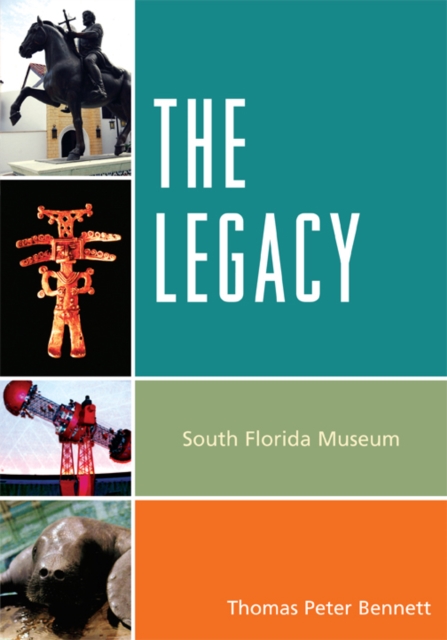
The Legacy: South Florida Museum is an account of the origins, founding, and development in twentieth-century Florida of a people's museum about archeology, Spanish exploration, manatees, and space.
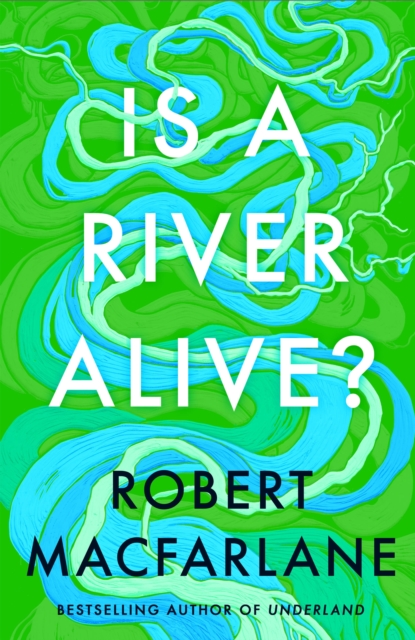
SHORTLISTED FOR BLACKWELL'S BOOK OF THE YEAR 2025SHORTLISTED FOR THE WAINWRIGHT PRIZE FOR CONSERVATION WRITING 2025SHORTLISTED FOR THE INDIE BOOK AWARDS 2026From celebrated writer Robert Macfarlane comes this brilliant, perspective-shifting new book which answers a resounding yes to the question of its title.
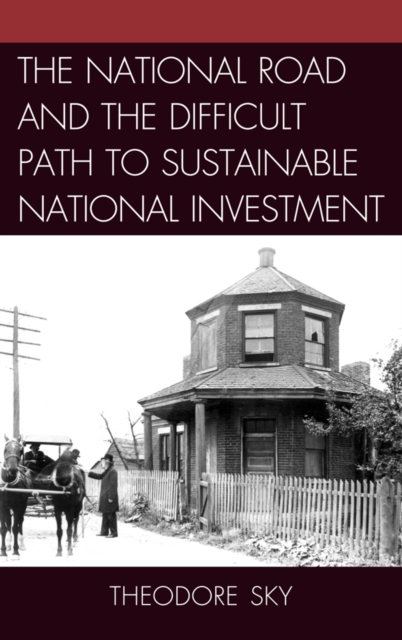
The National Road is a comprehensive history of the first federally financed interstate highway, an approximately 600-mile span that joined Maryland, Pennsylvania, West Virginia, Ohio, Indiana, and Illinois in the nineteenth century.
Ernesto Caravantes was among the multitudes of people who were affected by the Recession of 2008, the financial impact of which continues to be felt to this day.
An optimistic exploration of how, through radical economic reform, the United Kingdom can prosper and flourish in the new global economy Taking a refreshingly realistic approach, Alex Brummer outlines how our current moment can be reshaped into an unprecedented opportunity for economic prosperity.
Using a mixed-method approach, Unintended Consequences of Human Actions documents a wide range of unintended and unanticipated consequences of human actions.
Ecofeminism is for those who desire to improve their understanding of the current crises of poverty, environmental destruction, violence, and human rights abuses, and their causes.
Growth in a Time of Change: Global and Country Perspectives on a New Agenda is the first of a two-book research project that addresses new issues and challenges for economic growth arising from ongoing significant change in the world economy, focusing especially on technological transformation.
From the author:When Citadel Values went to press, we began looking for an educational tool to capture the lessons and fortify our students in the greater world beyond the Lesesne Gate.