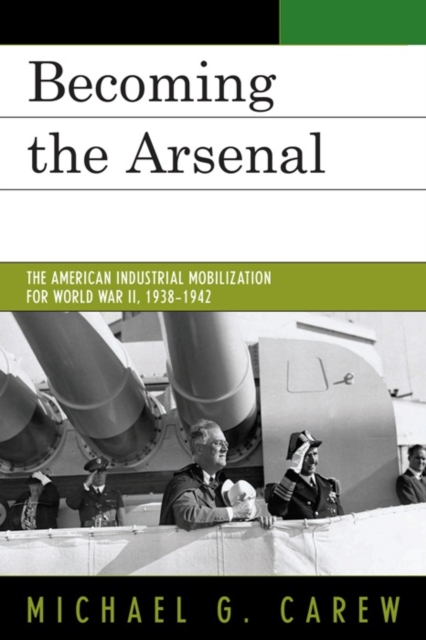
Becoming the Arsenal discusses one of the three signal events that transformed the relationship of government and the private sector in directing the American economy.
The Third World cities have been reinvented by the forces of globalization as the destinations of new investments, causing the migration of a teeming million to the major urban centers without any corresponding increase in the creation of new jobs and other basic amenities required for decent living.
Much work has been done on the causes and characteristics of the Arab Spring, but relatively little research has examined the political and spatial consequences that have developed following the uprisings.
Affective Labour explores four distinct landscapes in order to demonstrate how collective feelings are organized by social actors in order to both reproduce and contest hegemony.
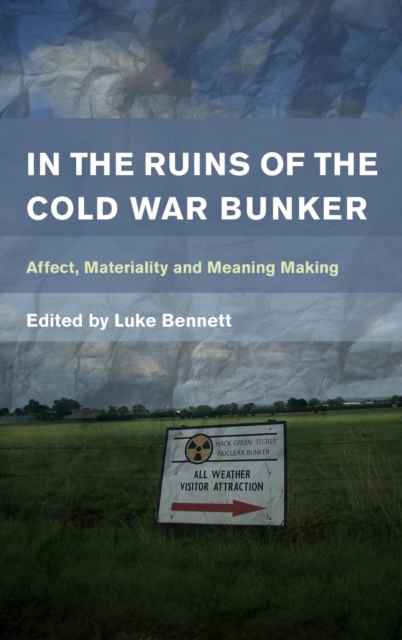
Affective Critical Regionality offers a new approach to developing a sharper, more nuanced understanding of the relations between place, space, memory and affect.
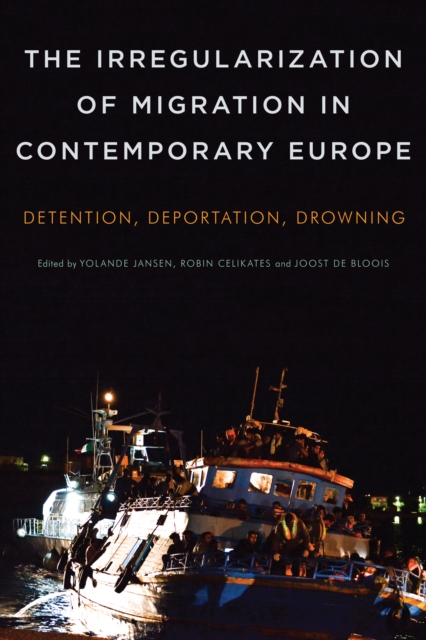
Working from an interdisciplinary perspective that draws on the social sciences, legal studies, and the humanities, this book investigates the causes and effects of the extremities experienced by migrants.
The first decade of the 21st century has witnessed the decline of multiculturalism as a policy in Western countries with tighter national border controls and increasing anti-migration discourse.
Austerity as Public Mood explores how politicians and the media mobilise nostalgic and socially conservative ideas of work and community in order to justify cuts to public services and create divisions between the deserving and undeserving.
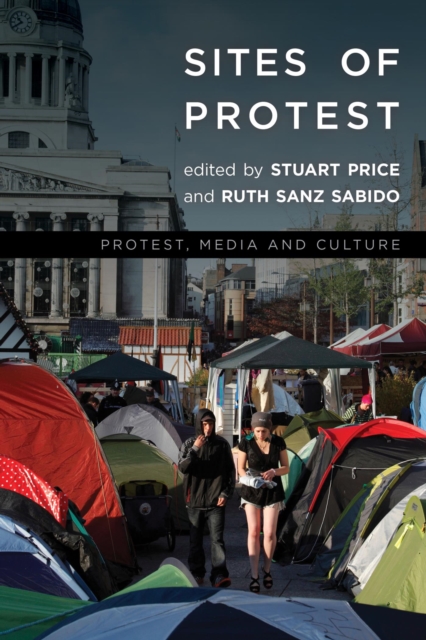
Sites of Protest examines the global resurgence of protest movements and the ways in which they use public and private space - both physical and 'immaterial' - to secure attention for a wide variety of causes, cultural events and moral campaigns.
The spatial turn in the Humanities and Social Sciences has produced a considerable body of work which re-assesses space beyond the fixed Cartesian co-ordinates of Modernity and the nation state.
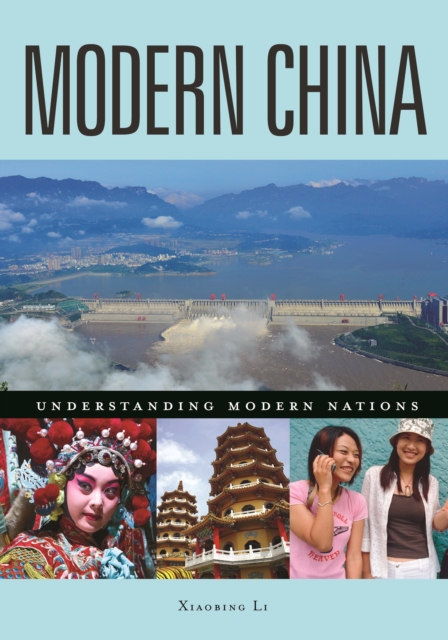
Providing an indispensable resource for students, educators, businessmen, and officials investigating the transformative experience of modern China, this book provides a comprehensive summary of the culture, institutions, traditions, and international relations that have shaped today's China.
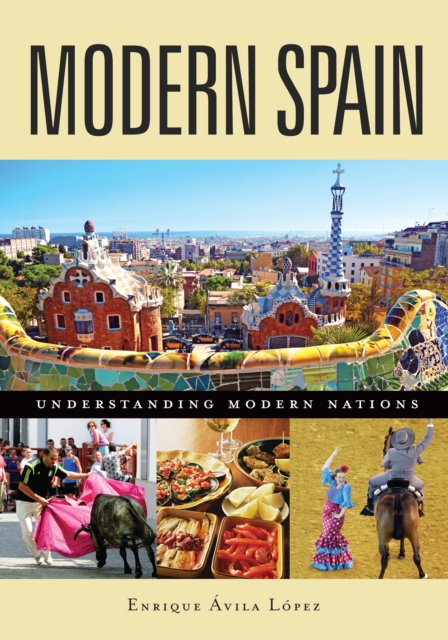
Fulfilling the need for English-source material on contemporary Spain, this book supplies readers with an in-depth, interdisciplinary guide to the country of Spain and its intricate, diverse culture.
The conviction that we all have, possess or inhabit a discrete culture, and have done so for centuries, is one of the more dominant default assumptions of our contemporary politico-intellectual moment.
The first decade of the 21st century has witnessed the decline of multiculturalism as a policy in Western countries with tighter national border controls and increasing anti-migration discourse.
Affective Labour explores four distinct landscapes in order to demonstrate how collective feelings are organized by social actors in order to both reproduce and contest hegemony.
The spatial turn in the Humanities and Social Sciences has produced a considerable body of work which re-assesses space beyond the fixed Cartesian co-ordinates of Modernity and the nation state.
Working from an interdisciplinary perspective that draws on the social sciences, legal studies, and the humanities, this book investigates the causes and effects of the extremities experienced by migrants.
Austerity as Public Mood explores how politicians and the media mobilise nostalgic and socially conservative ideas of work and community in order to justify cuts to public services and create divisions between the deserving and undeserving.
Much work has been done on the causes and characteristics of the Arab Spring, but relatively little research has examined the political and spatial consequences that have developed following the uprisings.
Affective Critical Regionality offers a new approach to developing a sharper, more nuanced understanding of the relations between place, space, memory and affect.
Sites of Protest examines the global resurgence of protest movements and the ways in which they use public and private space - both physical and 'immaterial' - to secure attention for a wide variety of causes, cultural events and moral campaigns.