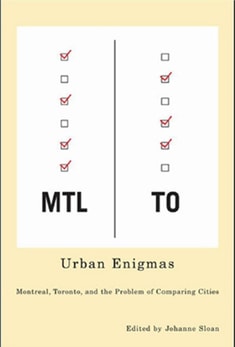
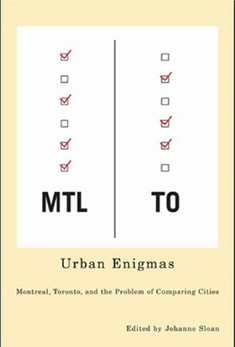
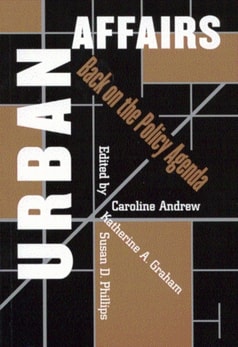
Contributors, part of the collaborative research project The Culture of Cities: Montreal, Toronto, Dublin, and Berlin, address theoretical and methodological aspects of comparison, while case-studies examine the mutually constituted identities of Montreal and Toronto through examples of travel writing, public art, film festivals, theatrical performances, diasporic communities, ethnic festivals, and urban media.
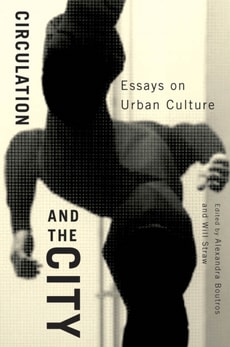
A series of rich case studies examine a range of topics, including neighbourhood gentrification, subway busking, yard sales, electronic waste, and language, refining the touchstone principle of circulation for the study of urban culture, both materially and theoretically.
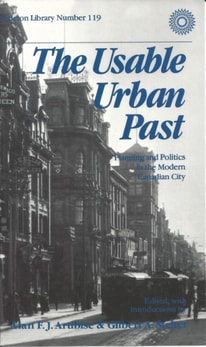
This collection of original essays serves both the historians and geographers who seek a deeper understanding of Canada's urban past, and the planners, politicians and citizens who seek to preserve or to change their cities today.
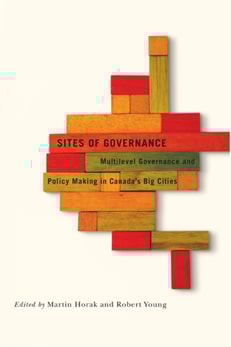
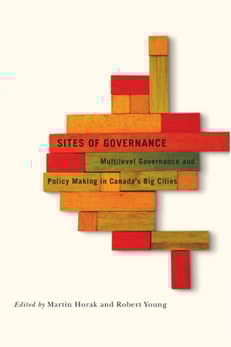
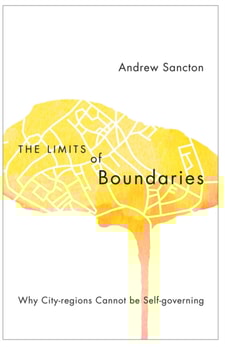
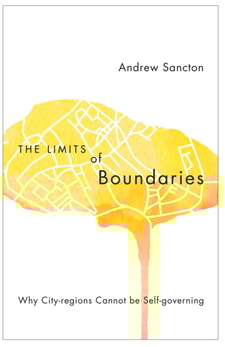
Andrew Sancton combines his own broad knowledge of global changes with an outline and comparison of the viewpoints of prominent social scientists to argue that city regions in western liberal democracies will not and cannot be self-governing.
Contributors, part of the collaborative research project The Culture of Cities: Montreal, Toronto, Dublin, and Berlin, address theoretical and methodological aspects of comparison, while case-studies examine the mutually constituted identities of Montreal and Toronto through examples of travel writing, public art, film festivals, theatrical performances, diasporic communities, ethnic festivals, and urban media.
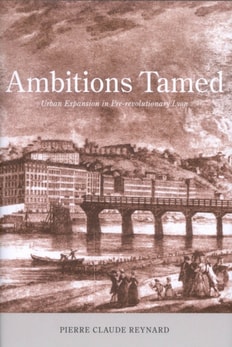
When Lyon's population experienced significant growth in the eighteenth century, architect Jean-Antoine Morand made a radical proposal: France's second city would expand across the river Rhone, making him rich in the process.
Andrew Sancton combines his own broad knowledge of global changes with an outline and comparison of the viewpoints of prominent social scientists to argue that city regions in western liberal democracies will not and cannot be self-governing.
Blum's distinctive form of theoretical inquiry pushes the reader to move beyond conventional ways of thinking about familiar urban issues in answering such fundamental questions as, How does a city exist?
With economic restructuring, demographic shifts, and lifestyle changes, the traditional family - working father, stay-at-home mother, two to three children - is no longer the norm and the need for smaller homes at moderate cost has skyrocketed.
Using Jane Jacobs' critique of postwar city-building as a starting point, Fowler shows that recent North American urban development has been characterized by development projects on a massive scale, an indiscriminate use of vast areas of land, and an increasingly evident homogeneity.
Some social housing was developed as a result of the 1949 National Housing Act (NHA) amendments but this program remained marginalized for many years as government policy favoured shelter provision by private entrepreneurs.
The contributors identify important considerations for evaluating the current and future housing situation, clarify housing research issues and priorities, and indicate emergent policy issues.
According to the OECD (Organization for Economic Cooperation and Development), in the21st century, we are living in a New Age of Biology, acknowledging the rapid developmentof transformative findings in the life sciences.
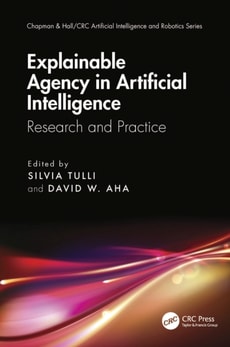
This book focuses on a subtopic of explainable AI (XAI) called explainable agency (EA), which involves producing records of decisions made during an agent's reasoning, summarizing its behavior in human-accessible terms, and providing answers to questions about specific choices and the reasons for them.
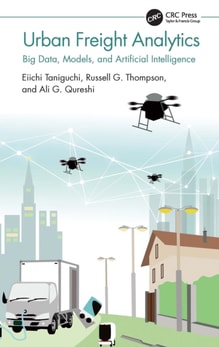
Urban Freight Analytics examines the key concepts associated with the development and application of decision support tools for evaluating and implementing city logistics solutions.
Livable Cities: Urban Heat Islands Mitigation for Climate Change Adaptation Through Urban Greening elucidates on livability in urban areas, providing readers with definitions and indicators of what makes a city livable.
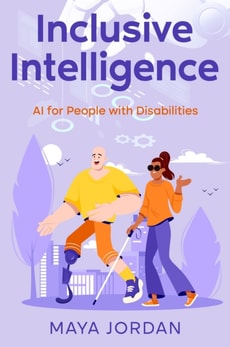
Transform Lives with Cutting-Edge AIDive into a revolutionary exploration of how artificial intelligence is reshaping the lives of people with disabilities.
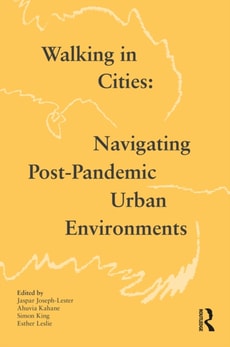
This book brings together an international group of artists and writers to respond to the question of how our new world orders force us to reconsider urban walking and urban spaces in ways which extend into the digital sphere of online dialogue and screen sharing.
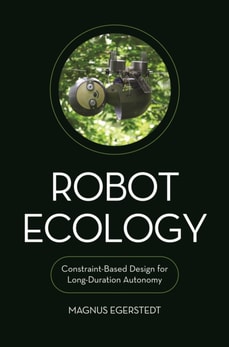
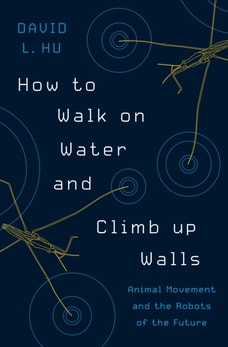
A revolutionary new framework that draws on insights from ecology for the design and analysis of long-duration robotsRobots are increasingly leaving the confines of laboratories, warehouses, and manufacturing facilities, venturing into agriculture and other settings where they must operate in uncertain conditions over long timescales.
A bold reassessment of "e;smart cities"e; that reveals what is lost when we conceive of our urban spaces as computersComputational models of urbanism-smart cities that use data-driven planning and algorithmic administration-promise to deliver new urban efficiencies and conveniences.
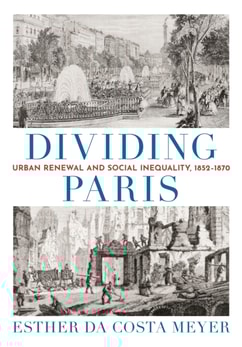
A groundbreaking work of scholarship that sheds critical new light on the urban renewal of Paris under Napoleon IIIIn the mid-nineteenth century, Napoleon III and his prefect, Georges-Eugene Haussmann, adapted Paris to the requirements of industrial capitalism, endowing the old city with elegant boulevards, an enhanced water supply, modern sewers, and public greenery.
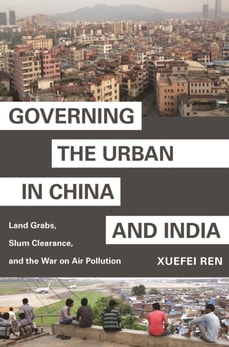
An in-depth look at the distinctly different ways that China and India govern their cities and how this impacts their residentsUrbanization is rapidly overtaking China and India, the two most populous countries in the world.
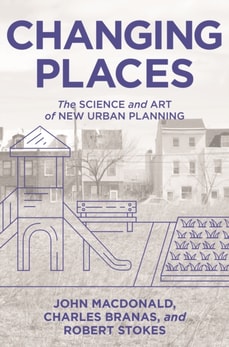
How the science of urban planning can make our cities healthier, safer, and more livableThe design of every aspect of the urban landscape-from streets and sidewalks to green spaces, mass transit, and housing-fundamentally influences the health and safety of the communities who live there.
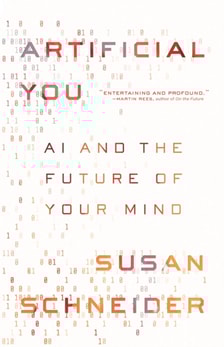
Hailed by the Washington Post as "e;a sure-footed and witty guide to slippery ethical terrain,"e; a philosophical exploration of AI and the future of the mind that Astronomer Royal Martin Rees calls "e;profound and entertaining"e;Humans may not be Earth's most intelligent beings for much longer: the world champions of chess, Go, and Jeopardy!
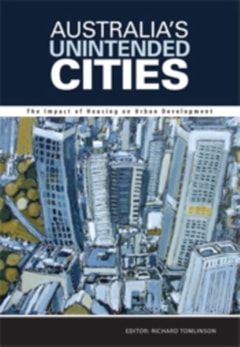
Australia’s Unintended Cities identifies and researches housing and housing-related urban outcomes that are unintended consequences of other policies, the structure of incentives and disincentives for the housing market, and governance arrangements for metropolitan areas and planning and service delivery.
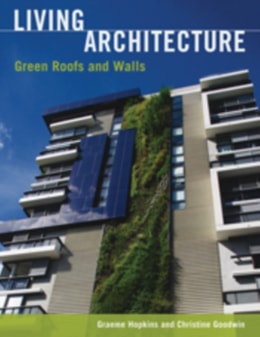
Extensively illustrated with photographs and drawings, Living Architecture highlights the most exciting green roof and living wall projects in Australia and New Zealand within an international context.
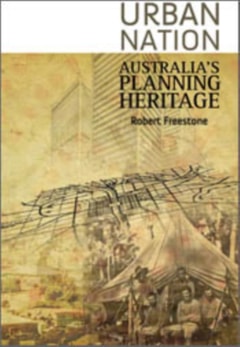
Urban Nation: Australia's Planning Heritage provides the first national survey of the historical impact of urban planning and design on the Australian landscape.
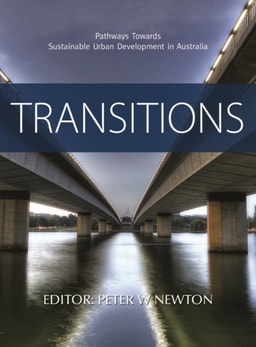
Formidable challenges confront Australia and its human settlements: the mega-metro regions, major and provincial cities, coastal, rural and remote towns.
This valuable little book offers a thorough introduction to the open-source electronics prototyping platform that's taking the design and hobbyist world by storm.
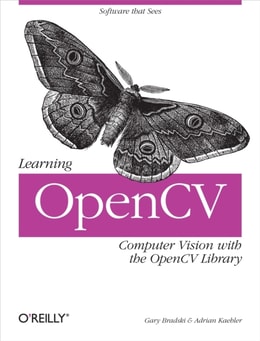
"e;This library is useful for practitioners, and is an excellent tool for those entering the field: it is a set of computer vision algorithms that work as advertised.
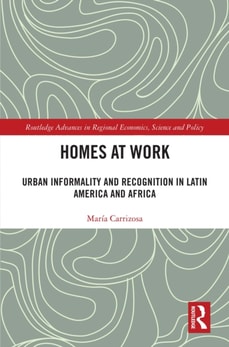
Following the outbreak of the COVID-19 pandemic, working from home became a global phenomenon, yet before 2020, it was a relatively understudied practice.
Following the outbreak of the COVID-19 pandemic, working from home became a global phenomenon, yet before 2020, it was a relatively understudied practice.
"e;This library is useful for practitioners, and is an excellent tool for those entering the field: it is a set of computer vision algorithms that work as advertised.