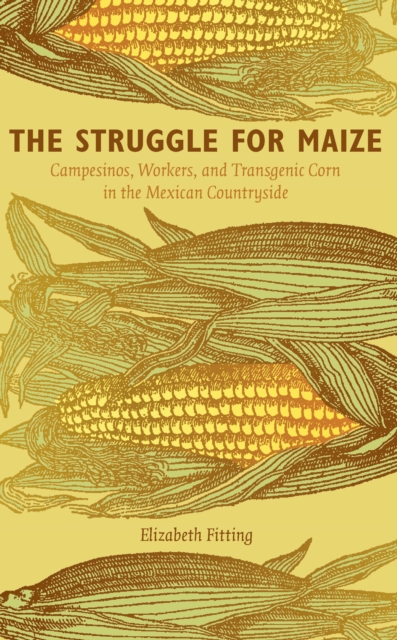
When scientists discovered transgenes in local Mexican corn varieties in 2001, their findings intensified a debate about not only the import of genetically modified (GM) maize into Mexico but also the fate of the peasantry under neoliberal globalization.
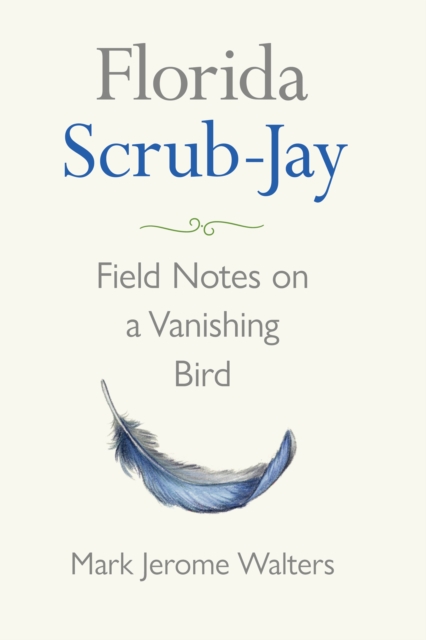
Florida Historical Society Stetson Kennedy AwardA portrait of a species on the brinkThe only bird species that lives exclusively in Florida, the Florida scrub-jay was once common across the peninsula.
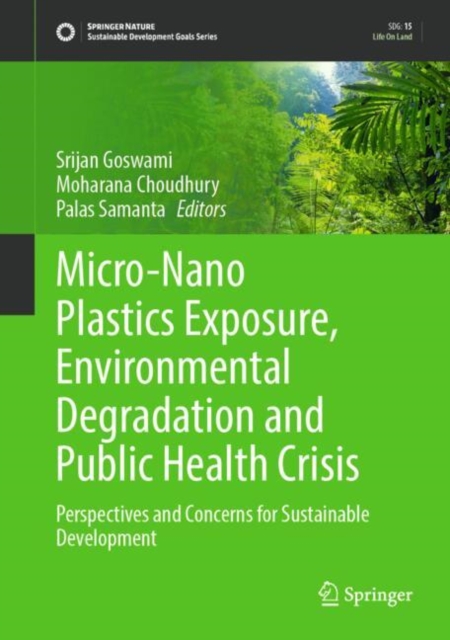
This book extensively covers issues and concerns related to plastics and micro/nano-plastics (MNPs) in the environment, offering a comprehensive exploration beyond simple collection and disposal processes.
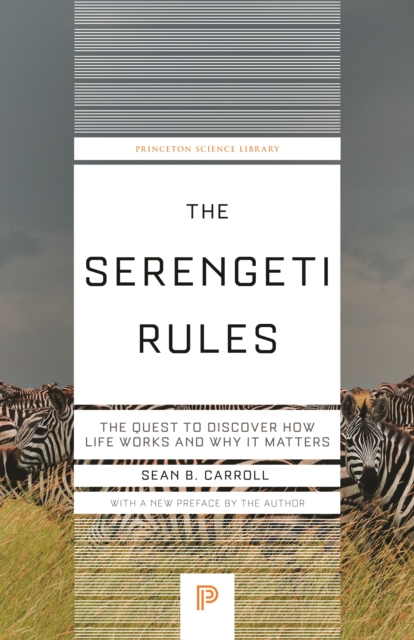
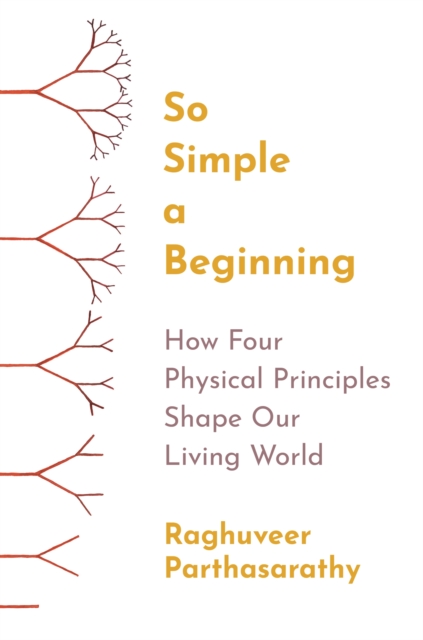
A biophysicist reveals the hidden unity behind nature's breathtaking complexityThe form and function of a sprinting cheetah are quite unlike those of a rooted tree.
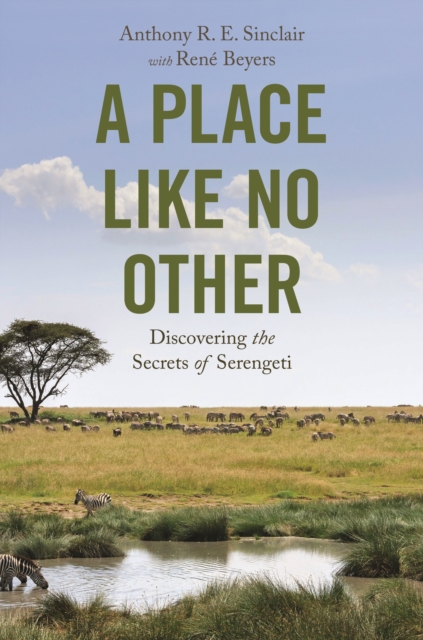
From famed zoologist Anthony Sinclair, an account of his decades-long quest to understand one of Earth's most spectacular ecosystemsWith its rich biodiversity, astounding wildlife, and breathtaking animal migrations, Serengeti is like no other ecosystem on the planet.
The river red gum has the most widespread natural distribution of Eucalyptus in Australia, forming extensive forests and woodlands in south-eastern Australia and providing the structural and functional elements of important floodplain and wetland ecosystems.
The river red gum has the most widespread natural distribution of Eucalyptus in Australia, forming extensive forests and woodlands in south-eastern Australia and providing the structural and functional elements of important floodplain and wetland ecosystems.
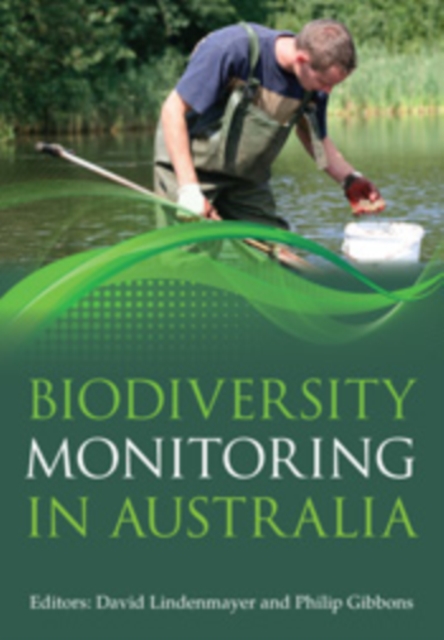
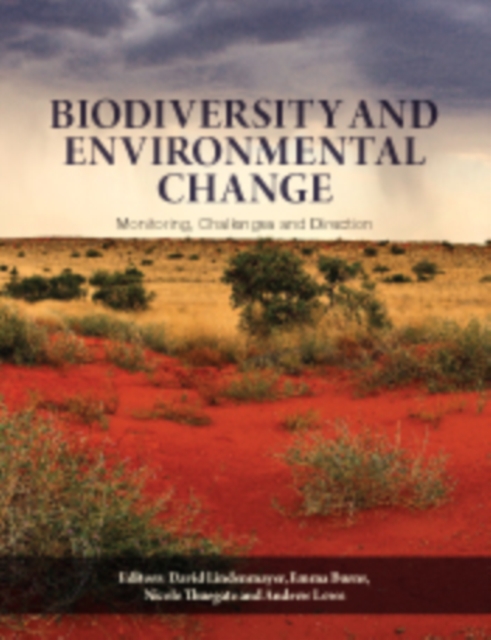
This data-rich book demonstrates the value of existing national long-term ecological research in Australia for monitoring environmental change and biodiversity.
The Rare or Threatened Australian Plants (ROTAP) list and associated coding system was developed and has been maintained by CSIRO since 1979, and lists taxa that are Presumed Extinct, Endangered, Vulnerable, Rare or Poorly Known at the national level.
The Rare or Threatened Australian Plants (ROTAP) list and associated coding system was developed and has been maintained by CSIRO since 1979, and lists taxa that are Presumed Extinct, Endangered, Vulnerable, Rare or Poorly Known at the national level.
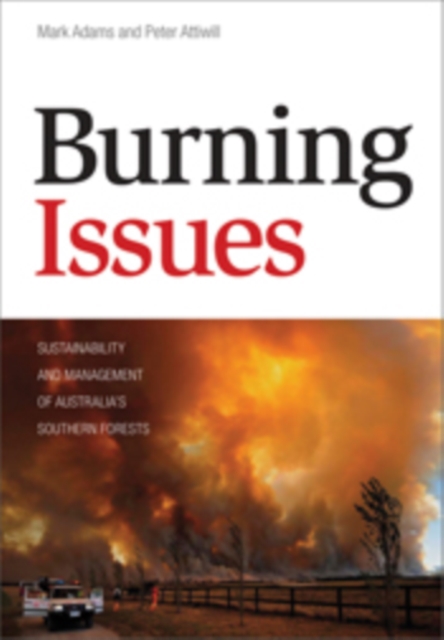
In Flammable Australia: Fire Regimes, Biodiversity and Ecosystems in a Changing World, leading researchers in fire ecology and management discuss how fire regimes have shaped and will continue to shape the distribution and abundance of Australia's highly diverse plants and animals.
In Flammable Australia: Fire Regimes, Biodiversity and Ecosystems in a Changing World, leading researchers in fire ecology and management discuss how fire regimes have shaped and will continue to shape the distribution and abundance of Australia’s highly diverse plants and animals.
Queensland is home to 70% of Australia's native mammals (226 species), over 70% of native birds (630 species), just over half of the nation's native reptiles (485) and native frogs (127), and more than 11 000 native plant species.
Queensland is home to 70% of Australia’s native mammals (226 species), over 70% of native birds (630 species), just over half of the nation’s native reptiles (485) and native frogs (127), and more than 11 000 native plant species.
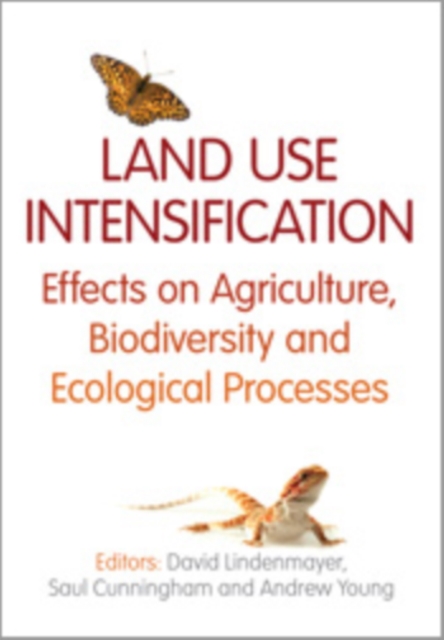
There can be little doubt that there are truly colossal challenges associated with providing food, fibre and energy for an expanding world population without further accelerating already rapid rates of biodiversity loss and undermining the ecosystem processes on which we all depend.
There can be little doubt that there are truly colossal challenges associated with providing food, fibre and energy for an expanding world population without further accelerating already rapid rates of biodiversity loss and undermining the ecosystem processes on which we all depend.
Ecological and biodiversity-based monitoring has been marked by an appalling lack of effectiveness and lack of success in Australia for more than 40 years, despite the billions of dollars that are invested in biodiversity conservation annually.
Ecological and biodiversity-based monitoring has been marked by an appalling lack of effectiveness and lack of success in Australia for more than 40 years, despite the billions of dollars that are invested in biodiversity conservation annually.
This data-rich book demonstrates the value of existing national long-term ecological research in Australia for monitoring environmental change and biodiversity.
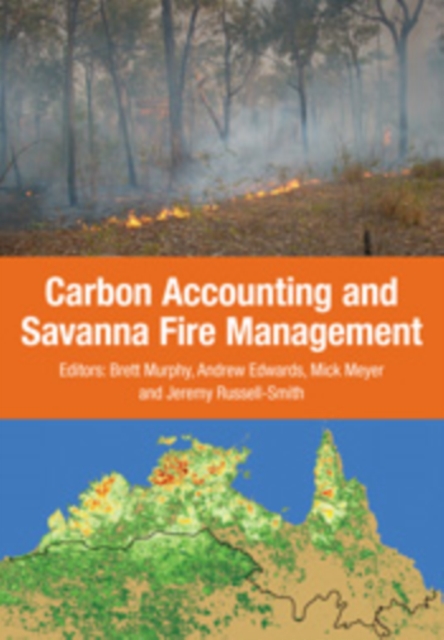
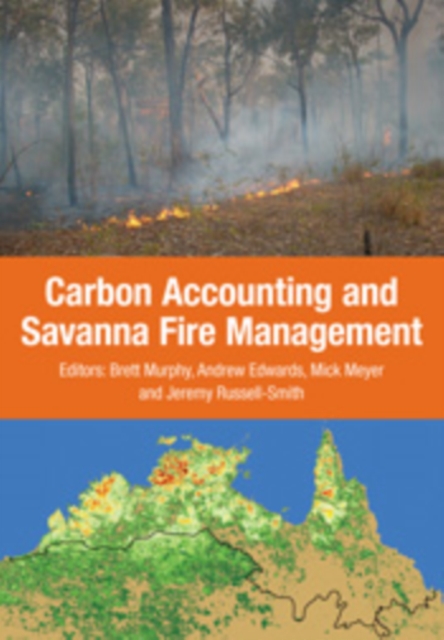
In the context of Australia's developing carbon economy, fire management helps to abate emissions of greenhouse gases and is an important means of generating carbon credits.
In the context of Australia’s developing carbon economy, fire management helps to abate emissions of greenhouse gases and is an important means of generating carbon credits.
The bioregion of Australia, New Zealand, Antarctica and New Guinea possesses a unique natural heritage stretching back over 50 million years since the break-up of the great southern continent of Gondwanaland.
The bioregion of Australia, New Zealand, Antarctica and New Guinea possesses a unique natural heritage stretching back over 50 million years since the break-up of the great southern continent of Gondwanaland.
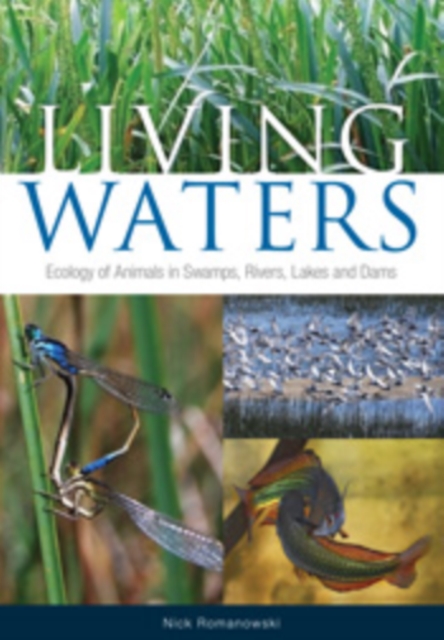
Wetlands are often seen as the ultimate symbol of beauty and tranquillity, their clear waters sheltering mysterious animals in a world where change is gentle and slow, from dragonflies skimming above their own reflections to the fishes glimpsed briefly below.
Wetlands are often seen as the ultimate symbol of beauty and tranquillity, their clear waters sheltering mysterious animals in a world where change is gentle and slow, from dragonflies skimming above their own reflections to the fishes glimpsed briefly below.
Networks of land managed for conservation across different tenures have rapidly increased in number (and popularity) in Australia over the past two decades.
Networks of land managed for conservation across different tenures have rapidly increased in number (and popularity) in Australia over the past two decades.
The rapidly increasing number of threatened flora and fauna species worldwide is one of the chief problems confronting environmental professionals today.