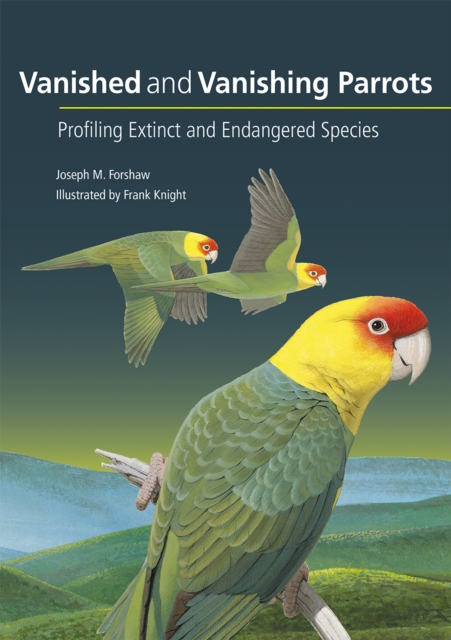
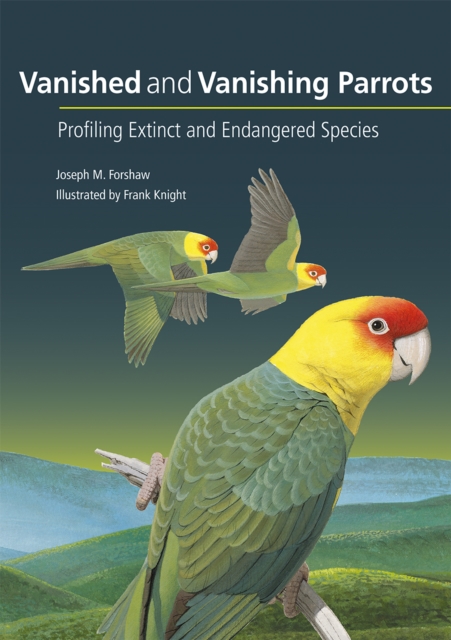
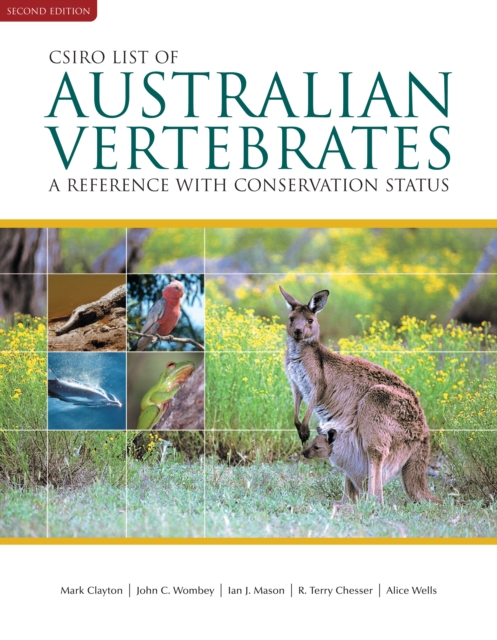
The rapidly increasing number of threatened flora and fauna species worldwide is one of the chief problems confronting environmental professionals today.
For the first time in a single volume, this book brings together more than 140 of the best walks, tracks or trails in New South Wales, which can be walked by the moderately fit individual.
The bioregion of Australia, New Zealand, Antarctica and New Guinea possesses a unique natural heritage stretching back over 50 million years since the break-up of the great southern continent of Gondwanaland.
The bioregion of Australia, New Zealand, Antarctica and New Guinea possesses a unique natural heritage stretching back over 50 million years since the break-up of the great southern continent of Gondwanaland.
The remote, beautiful and poorly known rainforests of Cape York Peninsula tell a special story about Australia's historic and present-day connections to New Guinea.
This book encapsulates the extensive knowledge developed by CSIRO's National Rangelands Program on how rangeland landscapes function and the implications for management.
Floodplain wetlands of the Murray-Darling Basin provide critical habitat for numerous species of flora and fauna, yet the ecology of these wetlands is threatened by a range of environmental issues.
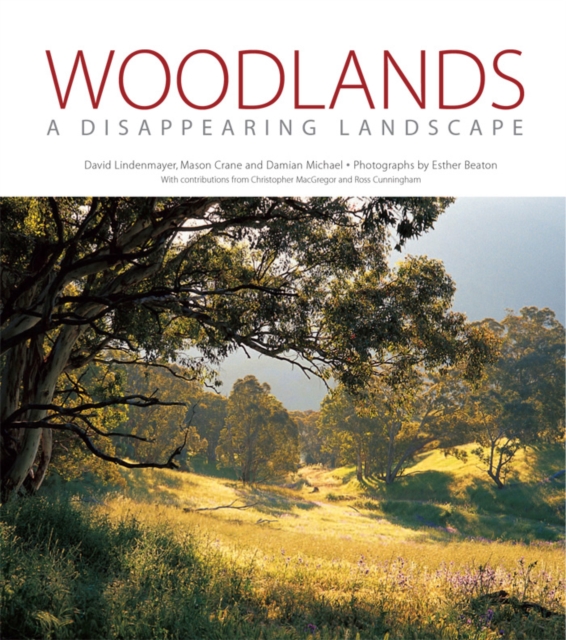
This book summarises the main discoveries, management insights and policy initiatives in the science, management and policy arenas associated with temperate woodlands in Australia.
Reef and Rainforest is a photographic portrayal of marine and terrestrial life in one of the world's most biodiverse regions - the tropics of north-eastern Australia, together with the South Pacific nations of Solomon Islands and Papua New Guinea.
Rainforest Restoration Manual for South-Eastern Australia is the definitive guide to the recovery and restoration of Subtropical, Warm Temperate, Cool Temperate, Gallery, Dry, Dry Gully and Littoral Rainforests from south-eastern Queensland toTasmania.
Ecosystem Response Modelling in the Murray-Darling Basin provides an overview of the status of science in support of water management in Australia's largest and most economically important river catchment, and brings together the leading ecologists working in the rivers and wetlands of the Basin.
In Contested Country, leading researchers in planning, geography, environmental studies and public policy critically review Australia's environmental management under the auspices of the Natural Heritage Trust over the past decade, and identify the challenges that must be met in the national quest for sustainability.
The Channel Country is of special interest because its extreme aridity is disrupted unpredictably by summer monsoonal rains, causing massive flooding, and is followed by prodigious growth of plants and reproduction of animals, before returning to daunting conditions of drought.
This book summarises the main discoveries, management insights and policy initiatives in the science, management and policy arenas associated with temperate woodlands in Australia.
This book encapsulates the extensive knowledge developed by CSIRO's National Rangelands Program on how rangeland landscapes function and the implications for management.
Floodplain wetlands of the Murray-Darling Basin provide critical habitat for numerous species of flora and fauna, yet the ecology of these wetlands is threatened by a range of environmental issues.
Reef and Rainforest is a photographic portrayal of marine and terrestrial life in one of the world's most biodiverse regions – the tropics of north-eastern Australia, together with the South Pacific nations of Solomon Islands and Papua New Guinea.
Ecosystem Response Modelling in the Murray-Darling Basin provides an overview of the status of science in support of water management in Australia’s largest and most economically important river catchment, and brings together the leading ecologists working in the rivers and wetlands of the Basin.
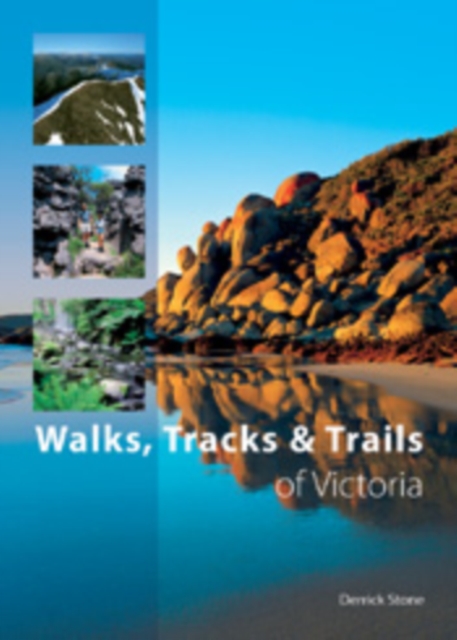
For the first time in a single volume, this book brings together more than 150 of the best walks, tracks or trails in Victoria, which can be walked, cycled or driven by the moderately fit individual.
This new textbook fills an important niche by offering a lively overview of the principles of ecology for a broad range of university-level science and biology courses.
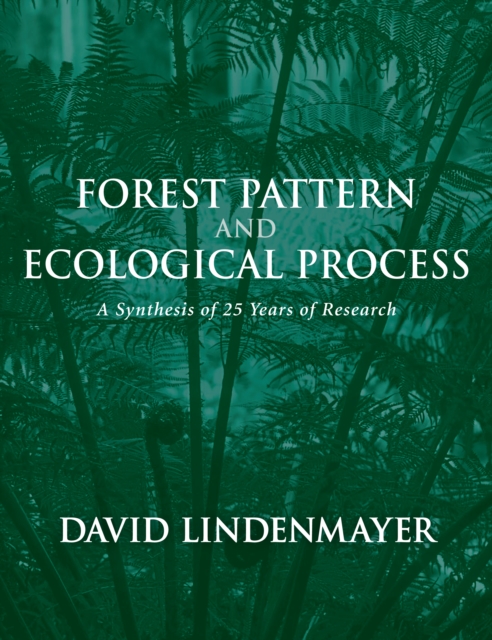
Forest Pattern and Ecological Process is a major synthesis of 25 years of intensive research about the montane ash forests of Victoria, which support the world's tallest flowering plants and several of Australia's most high profile threatened and/or endangered species.
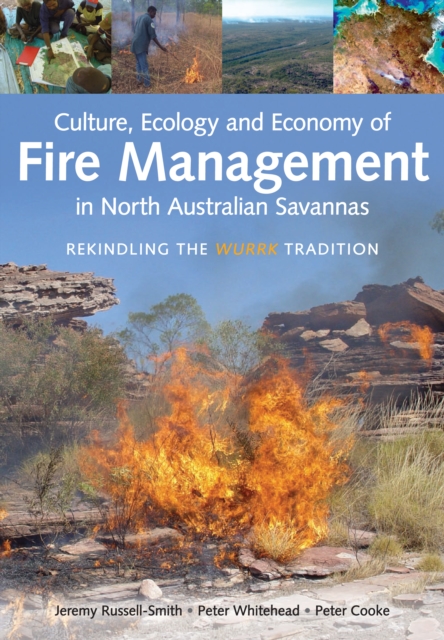
This engaging volume explores the management of fire in one of the world's most flammable landscapes: Australia's tropical savannas, where on average 18% of the landscape is burned annually.
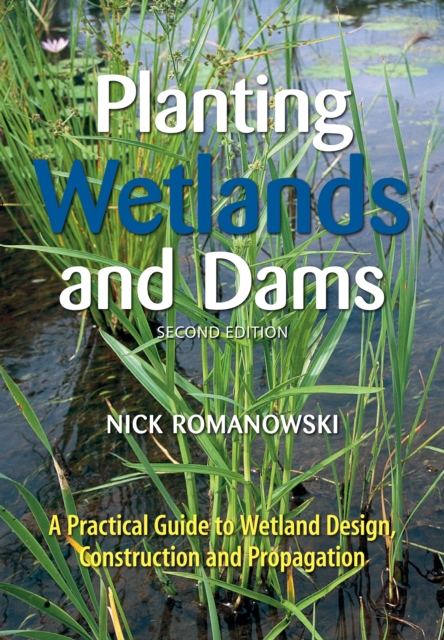
Wetland planting can bring back biodiversity, reduce the impact of drought and flood, improve water quality and conserve beauty in a mismanaged landscape.
Australia’s experience in community-based environmental repair is unique in the world, with no shortage of analysis by bureaucrats, academics and environmentalists.
Practical Conservation Biology covers the complete array of topics that are central to conservation biology and natural resource management, thus providing the essential framework for under-graduate and post-graduate courses in these subject areas.