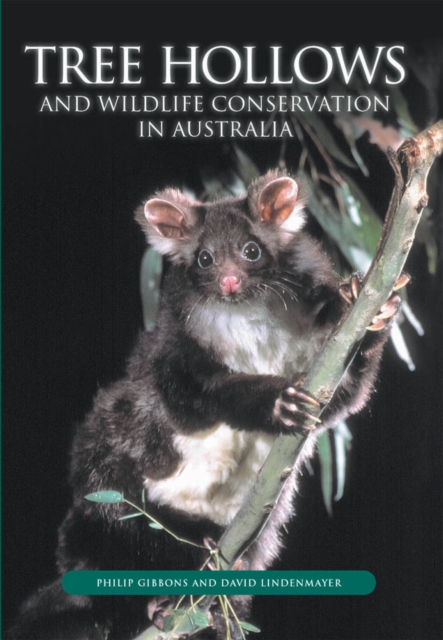
More than 300 species of Australian native animals — mammals, birds, reptiles and amphibians — use tree hollows, but there has never been a complete inventory of them.
Rainforest Restoration Manual for South-Eastern Australia is the definitive guide to the recovery and restoration of Subtropical, Warm Temperate, Cool Temperate, Gallery, Dry, Dry Gully and Littoral Rainforests from south-eastern Queensland toTasmania.
Practical Conservation Biology covers the complete array of topics that are central to conservation biology and natural resource management, thus providing the essential framework for under-graduate and post-graduate courses in these subject areas.
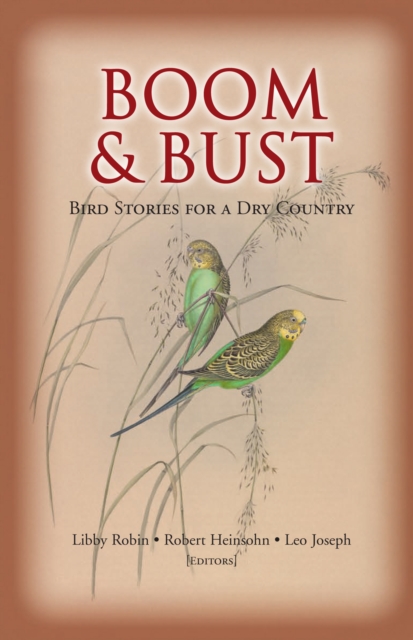
In Boom and Bust, the authors draw on the natural history of Australia's charismatic birds to explore the relations between fauna, people and environment in a continent where variability is 'normal' and rainfall patterns not always seasonal.
Australia's experience in community-based environmental repair is unique in the world, with no shortage of analysis by bureaucrats, academics and environmentalists.
This new textbook fills an important niche by offering a lively overview of the principles of ecology for a broad range of university-level science and biology courses.
Forest Pattern and Ecological Process is a major synthesis of 25 years of intensive research about the montane ash forests of Victoria, which support the world's tallest flowering plants and several of Australia's most high profile threatened and/or endangered species.
This engaging volume explores the management of fire in one of the world’s most flammable landscapes: Australia’s tropical savannas, where on average 18% of the landscape is burned annually.
In Contested Country, leading researchers in planning, geography, environmental studies and public policy critically review Australia's environmental management under the auspices of the Natural Heritage Trust over the past decade, and identify the challenges that must be met in the national quest for sustainability.
Wetland planting can bring back biodiversity, reduce the impact of drought and flood, improve water quality and conserve beauty in a mismanaged landscape.
For the first time in a single volume, this book brings together more than 150 of the best walks, tracks or trails in Victoria, which can be walked, cycled or driven by the moderately fit individual.
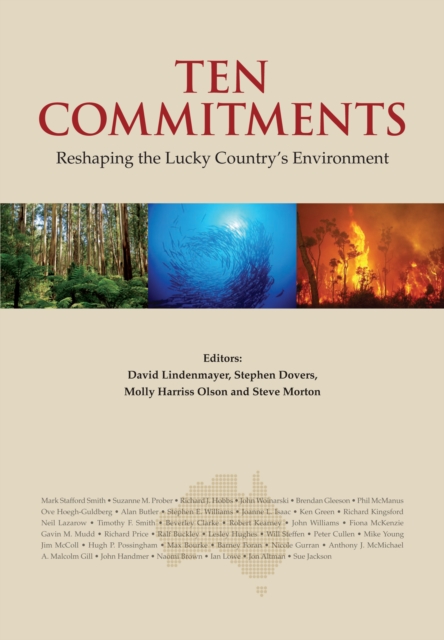
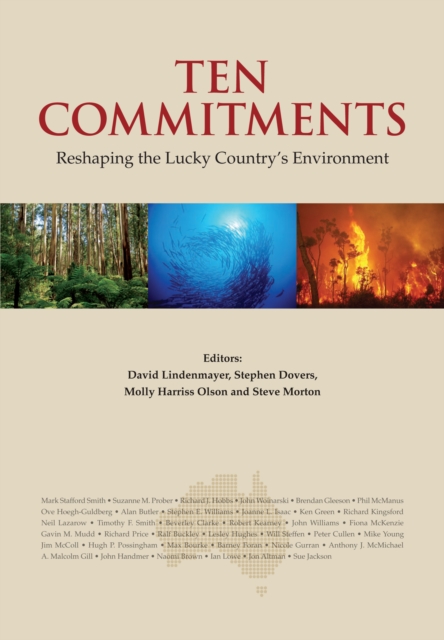
In Ten Commitments: Reshaping the Lucky Country’s Environment, leading environmental thinkers in Australia have written provocative chapters on environmental issues facing the nation.
In Boom and Bust, the authors draw on the natural history of Australia's charismatic birds to explore the relations between fauna, people and environment in a continent where variability is 'normal' and rainfall patterns not always seasonal.
The remote, beautiful and poorly known rainforests of Cape York Peninsula tell a special story about Australia’s historic and present-day connections to New Guinea.
In Ten Commitments: Reshaping the Lucky Country's Environment, leading environmental thinkers in Australia have written provocative chapters on environmental issues facing the nation.
More than 300 species of Australian native animals - mammals, birds, reptiles and amphibians - use tree hollows, but there has never been a complete inventory of them.
With contributions from a wide range of thematic areas, this book provides a diverse perspective on the contemporary environmental challenges of Brazilian agriculture.
This volume provides an enlightening and pragmatic approach to preserving biological diversity by gathering a wide range of peer-reviewed scientific content from biodiversity researchers and conservators from around the world.
This volume provides an enlightening and pragmatic approach to preserving biological diversity by gathering a wide range of peer-reviewed scientific content from biodiversity researchers and conservators from around the world.
In this in-depth analysis of First Nations opposition to the oil sands industry, James Heydon offers detailed empirical insight into Canadian oil sands regulation.
In this in-depth analysis of First Nations opposition to the oil sands industry, James Heydon offers detailed empirical insight into Canadian oil sands regulation.
Known as "e;a dream place for scientists"e; the Lamto savannas, located on the edge of the Cote d'Ivoire rain forests, are some of the only savannas in the world where ongoing ecological research has endured for over forty years.
The Goodwin-Niering Center for Conservation Biology and Environmental Studies at Connecticut College is a comprehensive, interdisciplinary program that builds on one of the nation's leading undergraduate environmental studies programs.
This two-volume set provides a one-stop resource on invasive plants, animals, fungi, and microorganisms that are threatening native ecosystems, agriculture, economies, and human health in the United States.
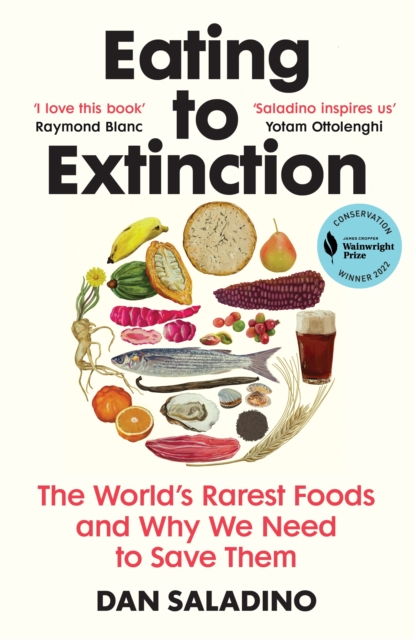
'A book of wonders' Bee Wilson, Sunday Times Books of the YearWinner of the Wainwright Prize 2022 - Eating to Extinction is an astonishing journey through the past, present and future of food, showing why reclaiming a diverse food culture is vital.
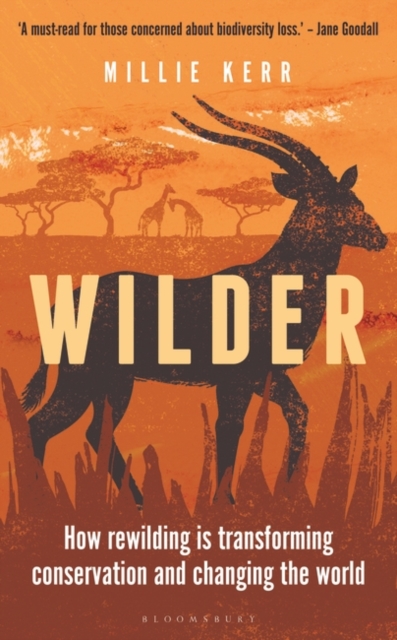
FINALIST IN THE 2024 AAAS/SUBARU PRIZE FOR EXCELLENCE IN SCIENCE WRITING YOUNG ADULT SCIENCEA global rewilding journey, exploring innovative and eye-opening projects led by passionate conservationists.
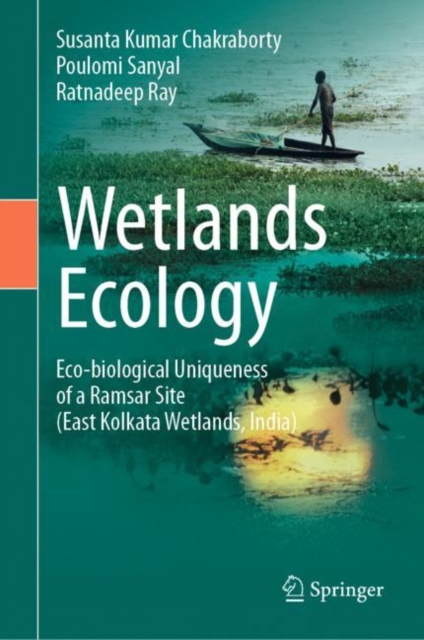
This book discusses current knowledge and challenges with the ecological management and conservation of wetlands, with a focus on the East Kolkata Wetlands of India.
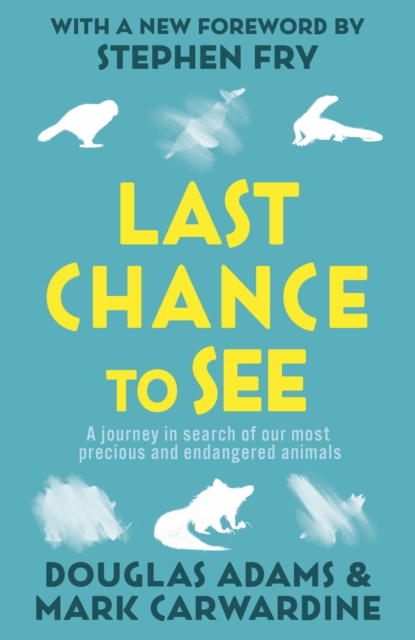
Descriptive writing of a high order this is an extremely intelligent book The TimesJoin Douglas Adams, bestselling and beloved author of The Hitchhiker s Guide to the Galaxy, and zoologist Mark Carwardine on an adventure in search of the world s most endangered and exotic creatures.
Metacommunity ecology links smaller-scale processes that have been the provenance of population and community ecology-such as birth-death processes, species interactions, selection, and stochasticity-with larger-scale issues such as dispersal and habitat heterogeneity.
From one of the world's leading authorities on animal behavior, the astonishing story of how the female brain drives the evolution of beauty in animals and humansDarwin developed the theory of sexual selection to explain why the animal world abounds in stunning beauty, from the brilliant colors of butterflies and fishes to the songs of birds and frogs.