The relentless exploitation and unsustainable use of wildlife, whether for food, medicine or other uses, is a key concern for conservationists worldwide.
Since time immemorial mankind has taken it upon himself to wage war against nature -- against those species of birds and mammals which he believes conflict with his livelihood.
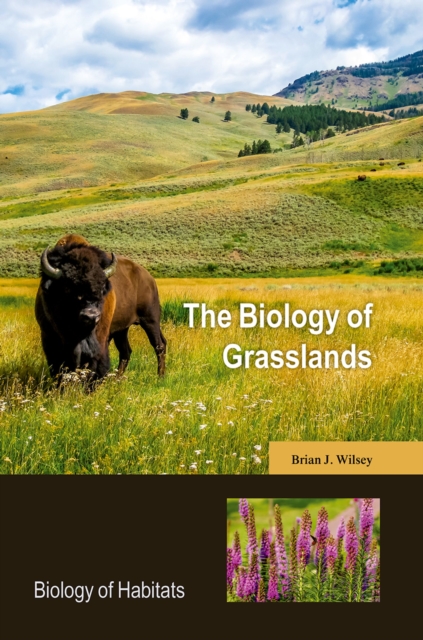
Australia's varied grasslands have suffered massive losses and changes since European settlement, and those changes continue under increasingly intensive human pressures for development and agricultural production.
This book illustrates an alternative approach to 'state of sustainability' reporting by presenting cross-sectoral and multi-disciplinary discussions on sustainability issues in the context of a developing country, Botswana.
More than seventy percent of the earth's surface is covered by ocean - the home to a staggering and sometimes overwhelming diversity of organisms, a majority of which reside in pelagic form.
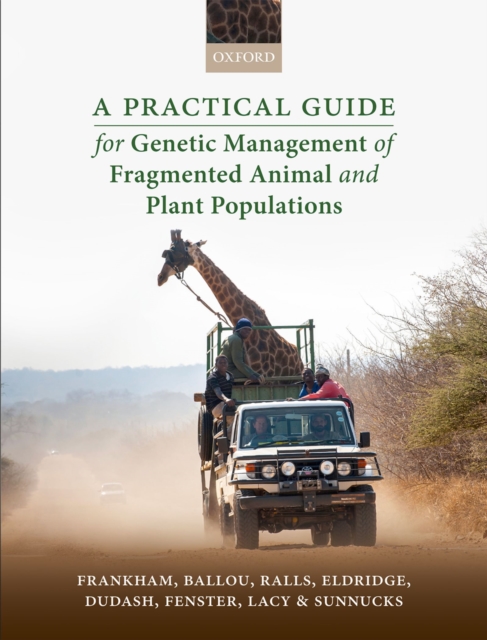
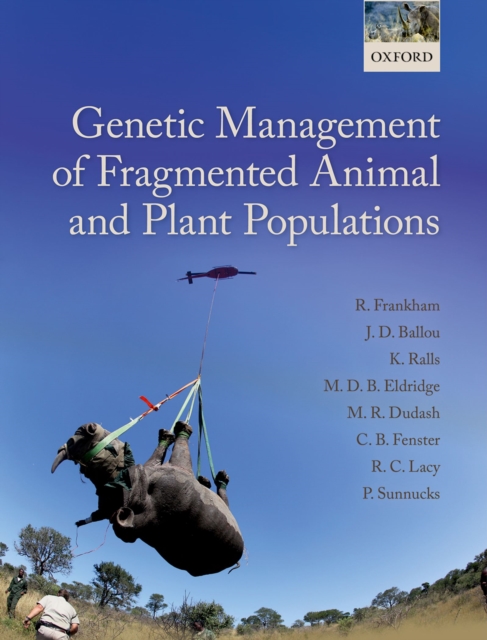
One of the greatest unmet challenges in conservation biology is the genetic management of fragmented populations of threatened animal and plant species.
Environmental DNA (eDNA) refers to DNA that can be extracted from environmental samples (such as soil, water, feces, or air) without the prior isolation of any target organism.
This practical manual of freshwater ecology and conservation provides a state-of-the-art review of the approaches and techniques used to measure, monitor, and conserve freshwater ecosystems.
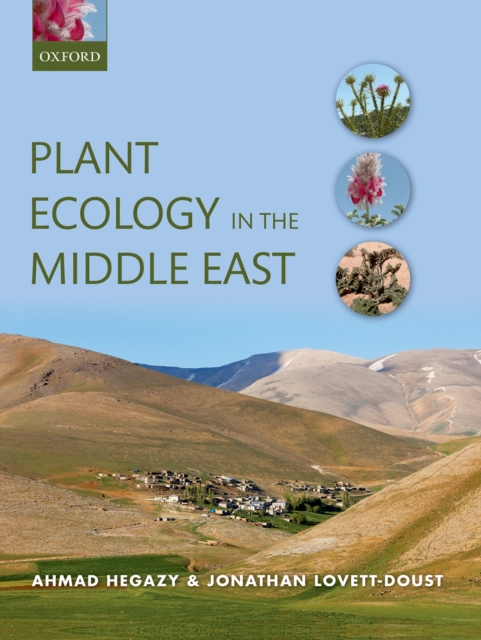
This advanced textbook explores the intriguing flora and plant ecology of the Middle East, framed by a changing desert landscape, global climate change, and the arc of human history.
This advanced textbook explores the intriguing flora and plant ecology of the Middle East, framed by a changing desert landscape, global climate change, and the arc of human history.
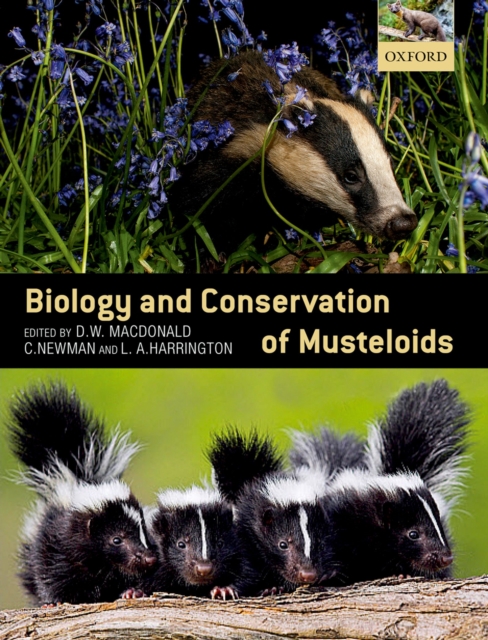
The musteloids are the most diverse super-family among carnivores, ranging from little known, exotic, and highly-endangered species to the popular and familiar, and include a large number of introduced invasives.
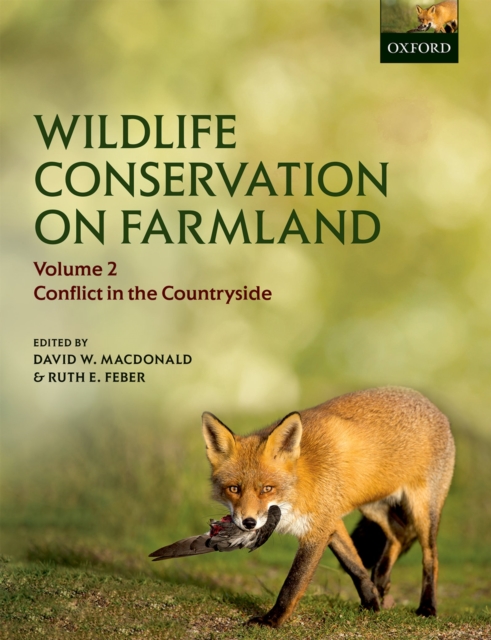
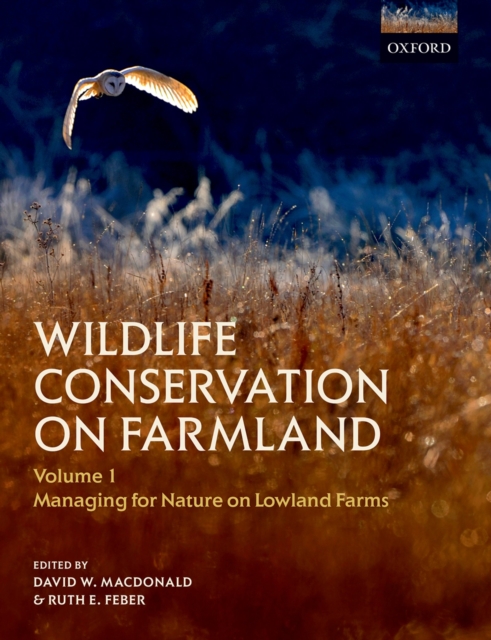
Many of the encounters between farming and wildlife, especially vertebrates, involve some level of conflict which can cause disadvantage to both the wildlife and the people involved.
Using more than 30 years research from the author team at the Wildlife Conservation Research Unit (WildCRU), this volume reveals how agricultural systems and wildlife interact, presenting examples from scales varying from landscape to microcosm, from populations to individuals, covering plants, invertebrates, birds, and mammals.
Written in a clear, accessible style, this authoritative and wide-ranging dictionary contains entries on all aspects of ecology and related environmental scientific disciplines such as biogeography, genetics, soil science, geomorphology, atmospheric science, and oceanography.
Humans have moved organisms around the world for centuries but it is only relatively recently that invasion ecology has grown into a mainstream research field.
Humans have moved organisms around the world for centuries but it is only relatively recently that invasion ecology has grown into a mainstream research field.
This practical manual of amphibian ecology and conservation brings together a distinguished, international group of amphibian researchers to provide a state-of-the-art review of the many new and exciting techniques used to study amphibians and to track their conservation status and population trends.
Understanding the complex relationships between humans and the natural world is essential for achieving environmental sustainability and improving human well-being, yet many studies are unable to reveal complex interactions and hidden trends.
Understanding the complex relationships between humans and the natural world is essential for achieving environmental sustainability and improving human well-being, yet many studies are unable to reveal complex interactions and hidden trends.
This book presents the latest scientific and management information on multiaged silviculture, an emerging strategy for managing forestry systems worldwide.
This book presents the latest scientific and management information on multiaged silviculture, an emerging strategy for managing forestry systems worldwide.
While politicians, entrepreneurs, and even school children could tell you that sustainability is an important and nearly universal value, many of them, and many of us, may struggle to define the term, let alone trace its history.
While politicians, entrepreneurs, and even school children could tell you that sustainability is an important and nearly universal value, many of them, and many of us, may struggle to define the term, let alone trace its history.
The Coastal Everglades presents a broad overview and synthesis of research on the coastal Everglades, a region that includes Everglades National Park, adjacent managed wetlands, and agricultural and urbanizing communities.
Every day millions of Tamil women in southeast India wake up before dawn to create a kolam, an ephemeral ritual design made with rice flour, on the thresholds of homes, businesses and temples.
Every day millions of Tamil women in southeast India wake up before dawn to create a kolam, an ephemeral ritual design made with rice flour, on the thresholds of homes, businesses and temples.
In this eclectic anthology, more than 20 scientists, nature writers, poets, and Zen practitioners, attest to how paying attention to nature can be a healing antidote to the hectic and harrying pace of our lives.
Since the release of the documentary Blackfish in 2013, millions around the world have focused on the plight of the orca, the most profitable and controversial display animal in history.