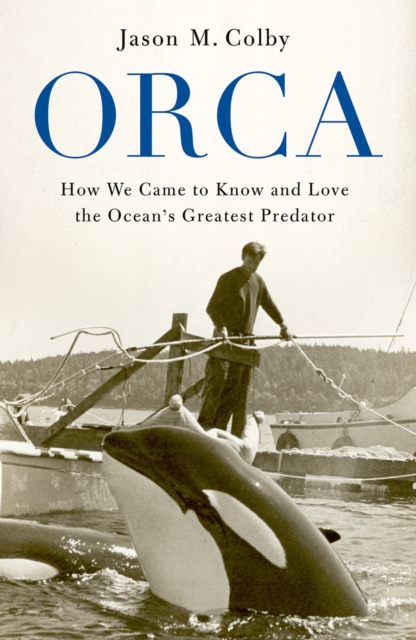
Since the release of the documentary Blackfish in 2013, millions around the world have focused on the plight of the orca, the most profitable and controversial display animal in history.
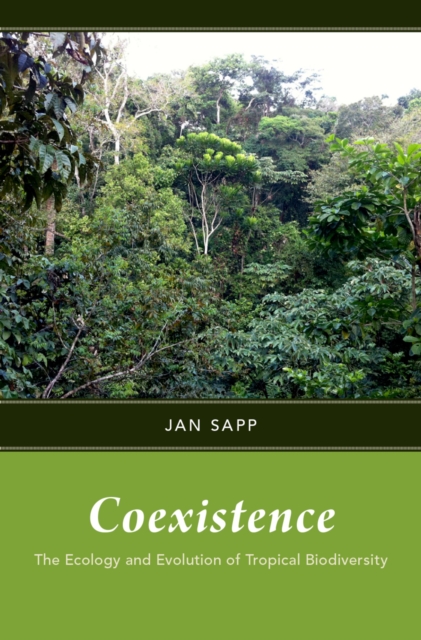
This book is about tropical biology in action- how biologists grapple with the ecology and evolution of the great species diversity in tropical rainforests and coral reefs.
This book is about tropical biology in action- how biologists grapple with the ecology and evolution of the great species diversity in tropical rainforests and coral reefs.
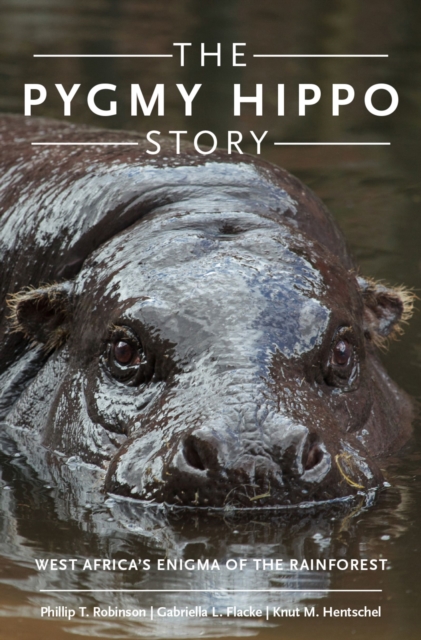
Though the pygmy hippopotamus has been designated as a flagship species of West African forests (meaning that by raising conservation efforts for a single species, an entire ecological region could benefit), very little research has been published on the animal.
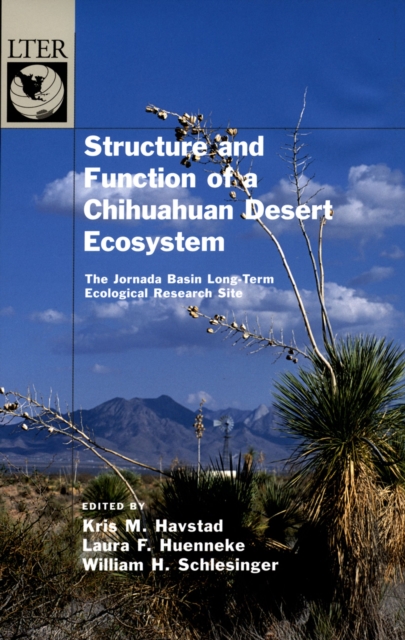
The Long-Term Ecological Research (LTER) Program is, in a sense, an experiment to transform the nature of science, and represents one of the most effective mechanisms for catalyzing comprehensive site-based research that is collaborative, multidisciplinary, and long-term in nature.
Though the pygmy hippopotamus has been designated as a flagship species of West African forests (meaning that by raising conservation efforts for a single species, an entire ecological region could benefit), very little research has been published on the animal.
Restoring Layered Landscapes brings together historians, geographers, philosophers, and interdisciplinary scholars to explore ecological restoration in landscapes with complex histories shaped by ongoing interactions between humans and nature.
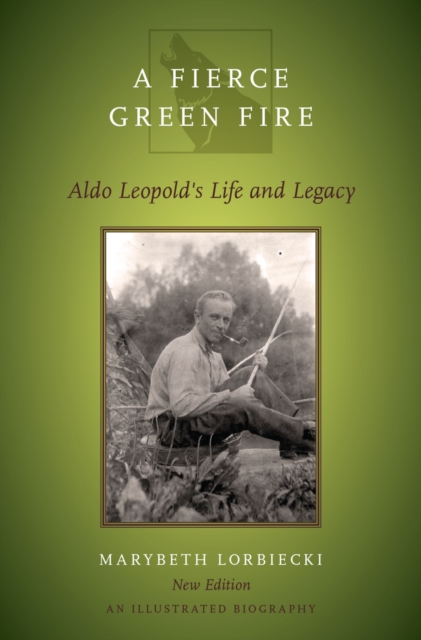
For anyone interested in wildlife, birds, wilderness areas, parks, ecology, conservation, environmental literature, and ethics, the name Aldo Leopold is sure to pop up.
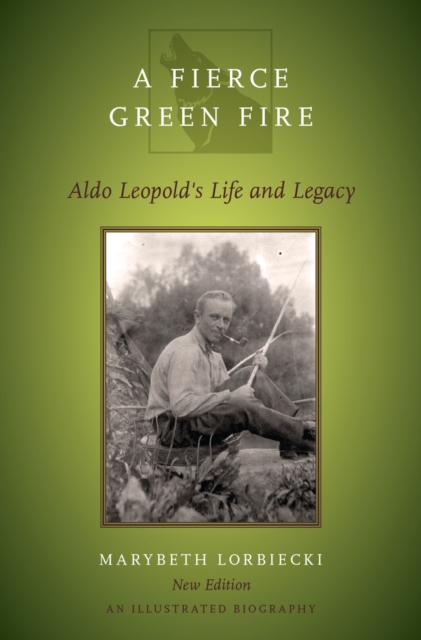
For anyone interested in wildlife, birds, wilderness areas, parks, ecology, conservation, environmental literature, and ethics, the name Aldo Leopold is sure to pop up.
This edited volume collects population and metapopulation models for a wide variety of species, focusing on the use of models in population-level risk assessment for toxins.
This book is the first comprehensive history of international efforts to protect the ozone layer, the greatest success yet achieved in managing human impacts on the global environment.
Once famous for the beauty of its white beaches, reef-ringed islands, and lush forests, today the Philippines is known as an example of the deep costs of ecological decline.
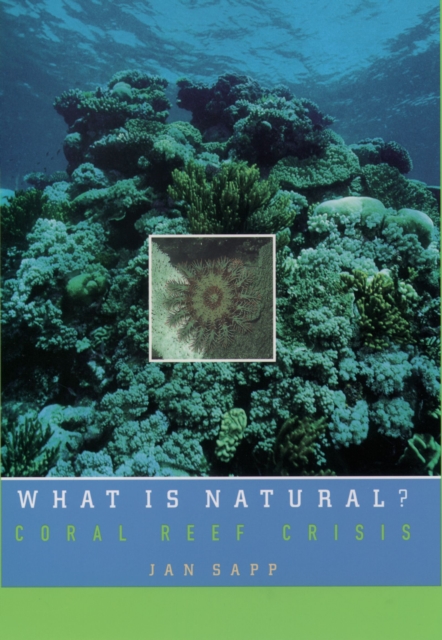
During the late 1960s and 1970s, massive herds of poisonous crown-of-thorns starfish suddenly began to infest coral reef communities around the world, leaving in their wake devastation comparable to a burnt-out rainforest.
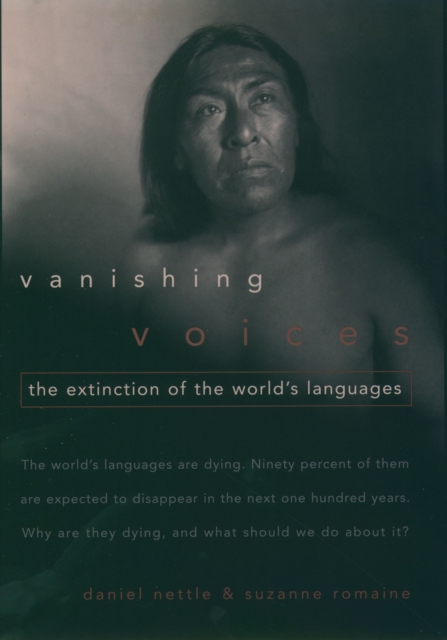
Few people know that nearly 100 native languages once spoken in what is now California are near extinction, or that most of Australia's 250 aboriginal languages have vanished.
Biodiversity in Drylands, the first internationally based synthesis volume in the Long-Term Ecological Research (LTER) Network Series, unifies the concepts of species and landscape diversity with respect to deserts.
Restoring Layered Landscapes brings together historians, geographers, philosophers, and interdisciplinary scholars to explore ecological restoration in landscapes with complex histories shaped by ongoing interactions between humans and nature.
Natural Resources Conservation and Advances for Sustainability addresses the latest challenges associated with the management and conservation of natural resources.
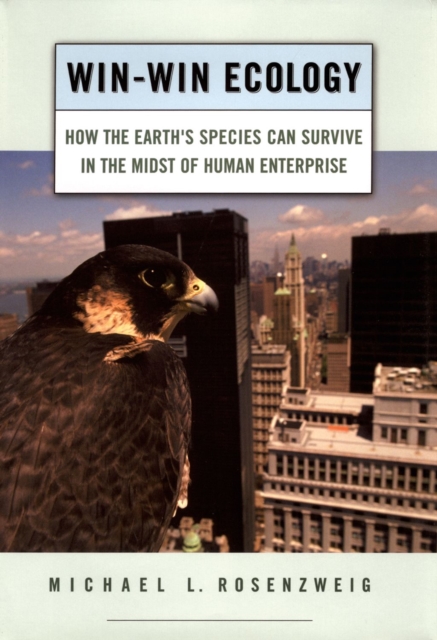
As humanity presses down inexorably on the natural world, people debate the extent to which we can save the Earth's millions of different species without sacrificing human economic welfare.
The Coastal Everglades presents a broad overview and synthesis of research on the coastal Everglades, a region that includes Everglades National Park, adjacent managed wetlands, and agricultural and urbanizing communities.
Now recognized as one of the most influential books of the twentieth century, Silent Spring exposed the destruction of wildlife through the widespread use of pesticides 'Rachel Carson educated a planet.
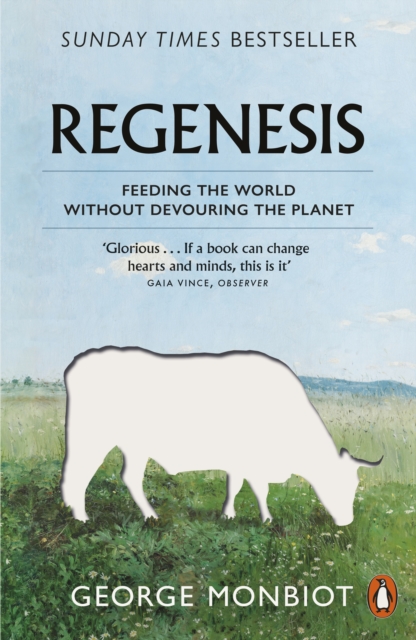
The Sunday Times bestseller *Shortlisted for the Wainwright Prize*A New Statesman and Spectator Book of the Year'This book calls for nothing less than a revolution in the future of food' Kate RaworthFrom the bestselling author of Feral, a breathtaking first glimpse of a new future for food and for humanityFarming is the world's greatest cause of environmental destruction - and the one we are least prepared to talk about.
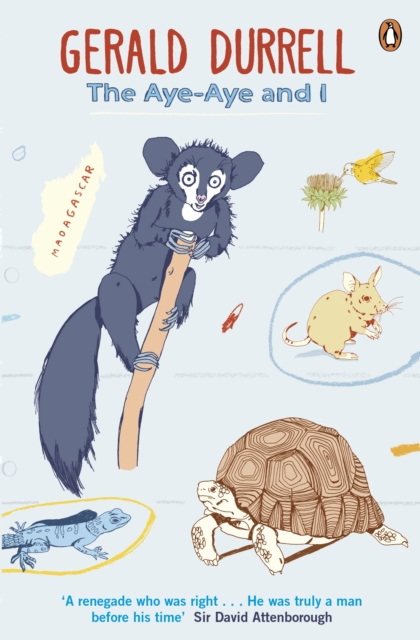
'In the gloom it came along the branches towards me, its round, hypnotic eyes blazing, its spoon-like ears turning to and fro independently like radar dishes .
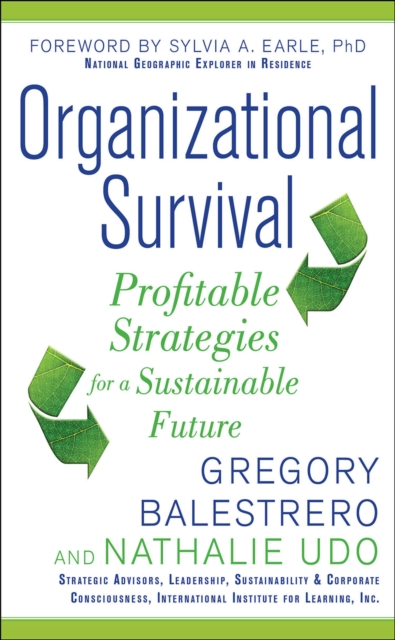
BOOST LOYALTY, PROFITABILITY, AND GROWTH WITH A STRATEGY OF SUSTAINABILITYOrganizational Survival provides a rational, research-based approach to creating a durable business strategy designed to meet the needs of today's customers and position an organization to outperform while positively impacting society, the environment, community, and the bottom line.
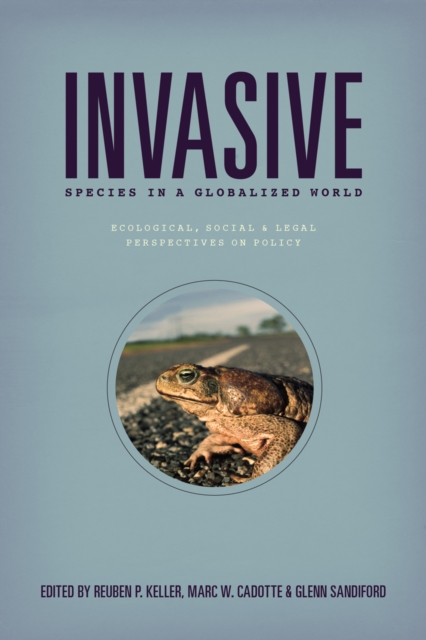
Over the past several decades, the field of invasion biology has rapidly expanded as global trade and the spread of human populations have increasingly carried animal and plant species across natural barriers that have kept them ecologically separated for millions of years.
Natural Resources Conservation and Advances for Sustainability addresses the latest challenges associated with the management and conservation of natural resources.
This book presents recent research work on Biosaline Agriculture presented during First International Forum on Biosaline Agriculture in Laayoune, Morocco from May 3rd to May 4th 2019.
The resilience of food systems and security to emerging challenges and threats, especially in the context of environmental and climate risks and global pandemics such as the Covid-19 crisis, is currently gaining growing importance in research, policy, and practice.
Historical Ethnobiology presents a unique approach to analyzing human-nature interactions, using theoretical and methodological aspects to examine historical scientific knowledge.
Historical Ethnobiology presents a unique approach to analyzing human-nature interactions, using theoretical and methodological aspects to examine historical scientific knowledge.
This book delves into diverse local food systems and critically assesses their ecological and societal benefits and trade-offs, their limits and opportunities for improving sustainability of food production, and framework conditions which either hinder or promote their development.
This book provides in-depth information on Caatinga's geographical boundaries and ecological systems, including plants, insects, fishes, amphibians, reptiles, birds, and mammals.
This book covers a broad spectrum of topics related to GMOs and allied new gene-based technologies, biodiversity, and ecosystem processes, bringing together the contributions of researchers and regulators from around the world.