In December 2004, the National Academy of Sciences sponsored a colloquiumon "e;Systematics and the Origin of Species"e; to celebrate Ernst Mayr's100th anniversary and to explore current knowledge concerning the originof species.
Technological Trajectories and the Human Environment provides a surprising projection of a much greener planet, based on long-range analysis of trends in the efficient use of energy, materials, and land.
Recognizing the increasing rate of species loss on a global scale and that neither pollution nor ecosystems respects political boundaries, cooperation on many different levels is required to conserve biodiversity.
Technological Trajectories and the Human Environment provides a surprising projection of a much greener planet, based on long-range analysis of trends in the efficient use of energy, materials, and land.
In December 2004, the National Academy of Sciences sponsored a colloquiumon "e;Systematics and the Origin of Species"e; to celebrate Ernst Mayr's100th anniversary and to explore current knowledge concerning the originof species.
Desafíos en la gestión del agua, publicación del Instituto Cinara de la Universidad del Valle, pone a disposición del lector los desarrollos y avances de investigaciones y experiencias nacionales e internacionales relacionadas con el ahorro, uso eficiente y microcontaminates en el agua, siendo estos factores claves en la gestión integral del agua.
An illustrated review of the Northern Great Plains that blends natural history and human history "e;The most complete, in-depth look at Dakota ecosystems and their history.
An exploration of the scale, practical reality, and future implications of the growing integration of biodiversity conservation with global security concerns"e;There are few keener observers of international biodiversity conservation than Rosaleen Duffy.
This elegant and easy'to'use guide is an updated and amended revision of Lauren Brown’s seminal Grasses: An Identification Guide, which was first published in 1979.
A compelling evolutionary narrative that reveals how human civilization follows the same ecological rules that shape all life on Earth Offering a bold new understanding of who we are, where we came from, and where we are going, noted ecologist Mark Bertness argues that human beings and their civilization are the products of the same self'organization, evolutionary adaptation, and natural selection processes that have created all other life on Earth.
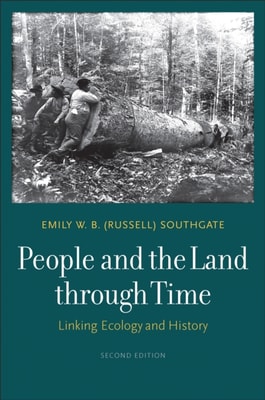
A revised and updated edition of a classic book that defines the field of historical ecologyPeople and the Land through Time, first published in 1997, remains the only introduction to the field of historical ecology from the perspective of ecology and ecosystem processes.
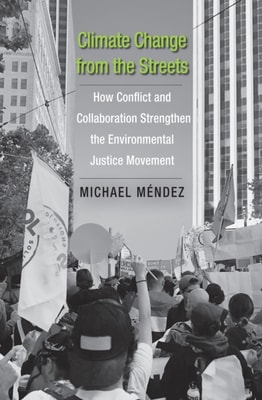
An urgent and timely story of the contentious politics of incorporating environmental justice into global climate change policy Although the science of climate change is clear, policy decisions about how to respond to its effects remain contentious.
A beautifully written exploration of how cooperation shaped life on earth, from its single-celled beginnings to complex human societiesIn this rich, wide-ranging, beautifully illustrated volume, Egbert Leigh explores the results of billions of years of evolution at work.
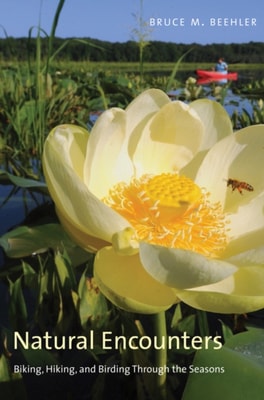
A twelve-month excursion through nature's seasons as recounted by a lifetime naturalistIn this "e;personal encyclopedia of nature's seasons,"e; lifetime naturalist Bruce Beehler reflects on his three decades of encountering nature in Washington, D.
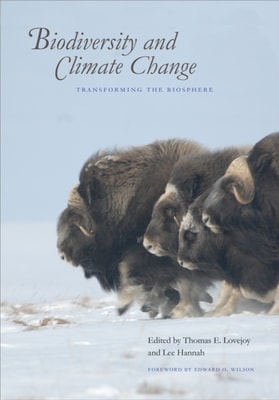
An essential, up-to-date look at the critical interactions between biological diversity and climate change that will serve as an immediate call to action The physical and biological impacts of climate change are dramatic and broad'ranging.
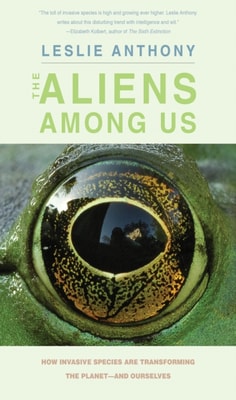
A thoughtful, accessible look at the rapidly growing issue of invasive plants, animals, and microbes around the globe with a focus on the scientific issues and ecological, health, and other challengesFrom an award-winning adventure and science journalist comes an eye-opening exploration of a burgeoning environmental phenomenon and the science coalescing around it.
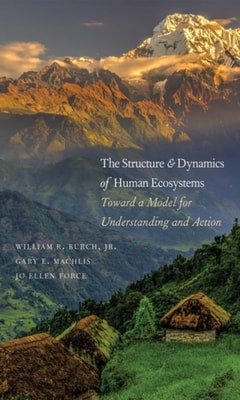
A landmark book that strives to provide both grand theory and practical application, innovatively describing the structure and dynamics of human ecosystems As the world faces ever more complex and demanding environmental and social challenges, the need for interdisciplinary models and practical guidance becomes acute.
A unique, beautifully illustrated exploration of our fascination with our closest primate relatives, and the development of primatology as a disciplineThis insightful work is a compact but wide-ranging survey of humankind's relationship to the great apes (chimpanzees, bonobos, gorillas, orangutans), from antiquity to the present.
A pointed argument that cities-not nation-states-can and must take the lead in fighting climate changeClimate change is the most urgent challenge we face in an interdependent world where independent nations have grown increasingly unable to cooperate effectively on sustainability.
A lavishly illustrated and long-overdue guidebook to the rich natural history of Long Island Sound and its coastlines, a region beloved by millions of people Long Island Sound consists of a diverse collection of unique marine, estuarine, and terrestrial ecosystems located in one of the most densely populated regions in the United States.
A highly regarded academic and former policy analyst and consultant charts the forty-year history of neoliberalism, environmental governance, and resource rights in Madagascar Since the 1970s, the U.
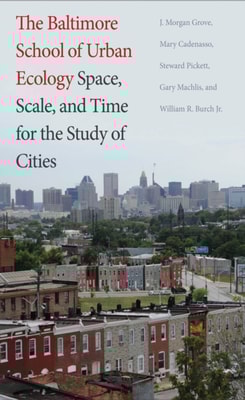
A leading-edge guide to thinking about and planning for twenty-first-century cities in all their social, political, and ecological complexity The first “urban century” in history has arrived: a majority of the world’s population now resides in cities and their surrounding suburbs.
A cultural and ecological history of the Mediterranean region and humankind’s broken covenant with nature The garden was the cultural foundation of the early Mediterranean peoples; they acknowledged their reliance on and kinship with the land, and they understood nature through the lens of their diversely cultivated landscape.
A new focus on international diplomacy and cooperation as the race for polar resources escalates As the race for resources in distant parts of the planet gathers momentum, the Arctic and Antarctic have taken on a more prominent role in international relations.
An exploration of the rise of the crop strain that came to dominate the American tobacco industry and its toll on the Southern landscape that produced it Drew A.
The Montreal Protocol has been cited as the most successful global environmental agreement, responsible for phasing out the use of ozone-depleting substances.
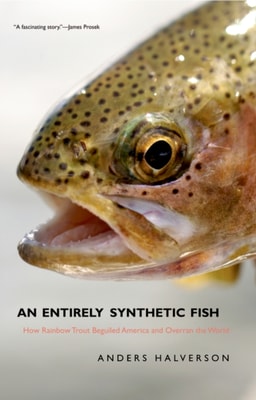
Anders Halverson provides an exhaustively researched and grippingly rendered account of the rainbow trout and why it has become the most commonly stocked and controversial freshwater fish in the United States.
Drawing insight from a diverse array of sources — including moral philosophy, political theory, cognitive psychology, ecology, and science and technology studies — Douglas Kysar offers a new theoretical basis for understanding environmental law and policy.
For two decades, paleoecologist David Burney and his wife, Lida Pigott Burney, have led an excavation of Makauwahi Cave on the island of Kaua'Aoi, uncovering the fascinating variety of plants and animals that have inhabited Hawaii throughout its history.
When the nature writer Richard Mahler discovers that wild jaguars are prowling a remote corner of his home state of New Mexico, he embarks on a determined quest to see in the flesh a big, beautiful cat that is the stuff of legend—yet verifiably real.
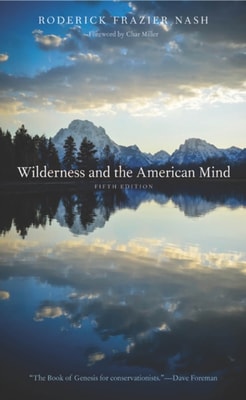
“The Book of Genesis for conservationists”—Dave Foreman Roderick Nash’s classic study of changing attitudes toward wilderness during American history, as well as the origins of the environmental and conservation movements, has received wide acclaim since its initial publication in 1967.