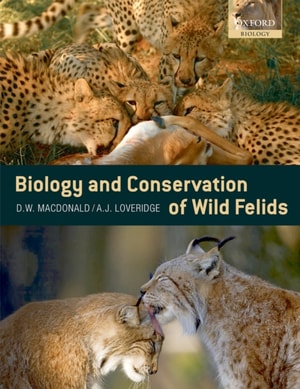
The editors utilize their 50 years of combined experience in professional engagement with the behaviour and ecology of wild felids to draw together a unique network of the world's most respected and knowledgeable experts.
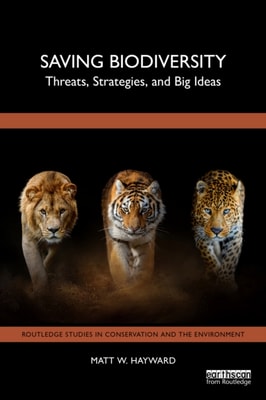
Drawing on the author's personal experiences working across the globe, this book explains why we need to conserve biodiversity, the threats it faces, how we can successfully conserve biodiversity, and some success stories of how we have conserved it.
The extent to which human activity has influenced species extinctions during the recent prehistoric past remains controversial due to other factors such as climatic fluctuations and a general lack of data.
With up to a quarter of all insect species heading towards extinction over the next few decades, there is now a pressing need to summarize the techniques available for measuring insect diversity in order to develop effective conservation strategies.
The work of conservation biology has grown from local studies of single species into a discipline concerned with mapping and managing biodiversity on a global scale.
Caves and other subterranean habitats with their often strange (even bizarre) inhabitants have long been objects of fascination, curiosity, and debate.
The History of British Birds reviews our knowledge of avifaunal history over the last 15,000 years, setting it in its wider historical and European context.
Bats are highly charismatic and popular animals that are not only fascinating in their own right, but illustrate most of the topical and important concepts and issues in mammalian biology.
This book is unique in providing a global overview of alpine (high mountain) habitats that occur above the natural (cold-limited) tree line, describing the factors that have shaped them over both ecological and evolutionary timescales.
Half of all insect species are dependent on living plant tissues, consuming about 10% of plant annual production in natural habitats and an even greater percentage in agricultural systems, despite sophisticated control measures.
The relentless exploitation and unsustainable use of wildlife, whether for food, medicine or other uses, is a key concern for conservationists worldwide.
Since time immemorial mankind has taken it upon himself to wage war against nature -- against those species of birds and mammals which he believes conflict with his livelihood.
Australia's varied grasslands have suffered massive losses and changes since European settlement, and those changes continue under increasingly intensive human pressures for development and agricultural production.
This book illustrates an alternative approach to 'state of sustainability' reporting by presenting cross-sectoral and multi-disciplinary discussions on sustainability issues in the context of a developing country, Botswana.
More than seventy percent of the earth's surface is covered by ocean - the home to a staggering and sometimes overwhelming diversity of organisms, a majority of which reside in pelagic form.
One of the greatest unmet challenges in conservation biology is the genetic management of fragmented populations of threatened animal and plant species.
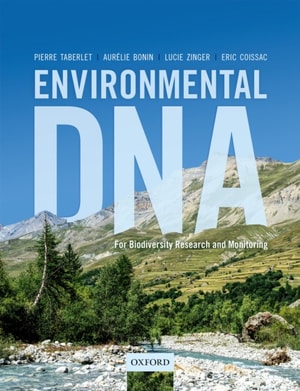
Environmental DNA (eDNA) refers to DNA that can be extracted from environmental samples (such as soil, water, feces, or air) without the prior isolation of any target organism.
This practical manual of freshwater ecology and conservation provides a state-of-the-art review of the approaches and techniques used to measure, monitor, and conserve freshwater ecosystems.
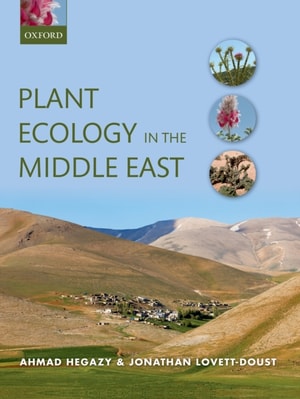
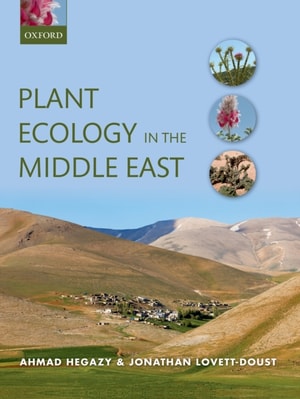
This advanced textbook explores the intriguing flora and plant ecology of the Middle East, framed by a changing desert landscape, global climate change, and the arc of human history.
This advanced textbook explores the intriguing flora and plant ecology of the Middle East, framed by a changing desert landscape, global climate change, and the arc of human history.
The musteloids are the most diverse super-family among carnivores, ranging from little known, exotic, and highly-endangered species to the popular and familiar, and include a large number of introduced invasives.
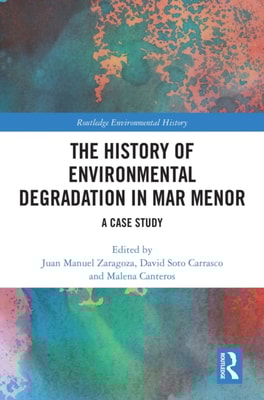
This book offers a multidisciplinary analysis of the degradation process of an ecosystem, drawing upon the Mar Menor as a case study to highlight the damage human pressure causes to the environment.
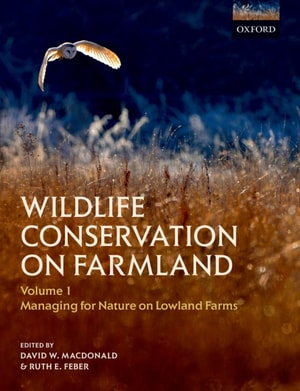
Many of the encounters between farming and wildlife, especially vertebrates, involve some level of conflict which can cause disadvantage to both the wildlife and the people involved.
Using more than 30 years research from the author team at the Wildlife Conservation Research Unit (WildCRU), this volume reveals how agricultural systems and wildlife interact, presenting examples from scales varying from landscape to microcosm, from populations to individuals, covering plants, invertebrates, birds, and mammals.
Written in a clear, accessible style, this authoritative and wide-ranging dictionary contains entries on all aspects of ecology and related environmental scientific disciplines such as biogeography, genetics, soil science, geomorphology, atmospheric science, and oceanography.
Humans have moved organisms around the world for centuries but it is only relatively recently that invasion ecology has grown into a mainstream research field.
Humans have moved organisms around the world for centuries but it is only relatively recently that invasion ecology has grown into a mainstream research field.
This practical manual of amphibian ecology and conservation brings together a distinguished, international group of amphibian researchers to provide a state-of-the-art review of the many new and exciting techniques used to study amphibians and to track their conservation status and population trends.