In recent years, the ecology and evolution of infectious diseases has been studied extensively and new approaches to the study of host-pathogen interactions continue to emerge.
This book sets out the building blocks of an economic approach to biodiversity, and in particular brings together conceptual and empirical work on valuation, international agreements, the policy instruments, and the institutions.
In Green Equilibrium, Christopher Wills explains the rules by which ecosystems maintain a diversity of interdependent species, in particular the balance of predators and prey.
In Green Equilibrium, Christopher Wills explains the rules by which ecosystems maintain a diversity of interdependent species, in particular the balance of predators and prey.
The Antarctic continent carries the greatest diversity of lake environments on the planet: freshwater and saline lakes, tidal freshwater epishelf lakes, lakes on ice shelves and glacier surfaces, and over three hundred subglacial lakes; extraordinary ecosystems that have been separated from the atmosphere for up to millions of years.
The Antarctic continent carries the greatest diversity of lake environments on the planet: freshwater and saline lakes, tidal freshwater epishelf lakes, lakes on ice shelves and glacier surfaces, and over three hundred subglacial lakes; extraordinary ecosystems that have been separated from the atmosphere for up to millions of years.
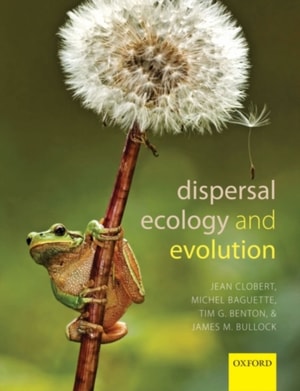
Now that so many ecosystems face rapid and major environmental change, the ability of species to respond to these changes by dispersing or moving between different patches of habitat can be crucial to ensuring their survival.
Now that so many ecosystems face rapid and major environmental change, the ability of species to respond to these changes by dispersing or moving between different patches of habitat can be crucial to ensuring their survival.
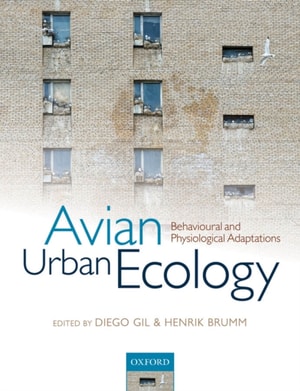
As natural habitat continues to be lost and the world steadily becomes more urbanized, biologists are increasingly studying the effect this has on wildlife.
As natural habitat continues to be lost and the world steadily becomes more urbanized, biologists are increasingly studying the effect this has on wildlife.
The biological composition and richness of most of the Earth's major ecosystems are being dramatically and irreversibly transformed by anthropogenic activity.
The biological composition and richness of most of the Earth's major ecosystems are being dramatically and irreversibly transformed by anthropogenic activity.
This multi-contributor, international volume synthesizes contributions from the world's leading soil scientists and ecologists, describing cutting-edge research that provides a basis for the maintenance of soil health and sustainability.
This multi-contributor, international volume synthesizes contributions from the world's leading soil scientists and ecologists, describing cutting-edge research that provides a basis for the maintenance of soil health and sustainability.
In recent years it has become increasingly clear that chemical interactions play a fundamental role in aquatic habitats and have far-reaching evolutionary and ecological consequences.
Animals that must hunt and kill for at least part of their living are inherently interesting to many people and the role that carnivores play in biological communities attract interest from ecologists and conservation biologists.
Animals that must hunt and kill for at least part of their living are inherently interesting to many people and the role that carnivores play in biological communities attract interest from ecologists and conservation biologists.
In recent years it has become increasingly clear that chemical interactions play a fundamental role in aquatic habitats and have far-reaching evolutionary and ecological consequences.
Since time immemorial mankind has taken it upon himself to wage war against nature -- against those species of birds and mammals which he believes conflict with his livelihood.
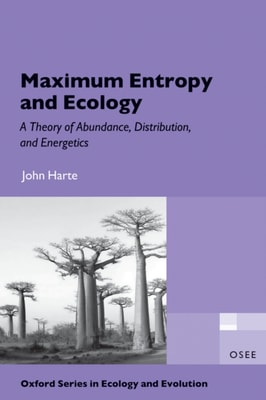
This pioneering graduate textbook provides readers with the concepts and practical tools required to understand the maximum entropy principle, and apply it to an understanding of ecological patterns.
This pioneering graduate textbook provides readers with the concepts and practical tools required to understand the maximum entropy principle, and apply it to an understanding of ecological patterns.
Aboveground-Belowground Linkages provides the most up-to-date and comprehensive synthesis of recent advances in our understanding of the roles that interactions between aboveground and belowground communities play in regulating the structure and function of terrestrial ecosystems, and their responses to global change.
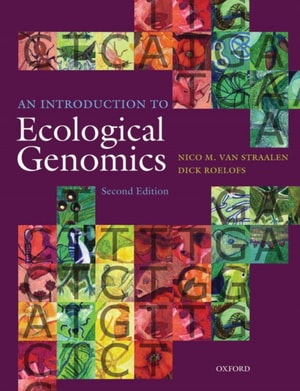
During evolution, there have been several major changes in the way that genetic information is organized and transmitted from one generation to the next.
The extent to which human activity has influenced species extinctions during the recent prehistoric past remains controversial due to other factors such as climatic fluctuations and a general lack of data.
Biological Diversity provides an up to date, authoritative review of the methods of measuring and assessing biological diversity, together with their application.
Despite the wealth of natural historical research conducted on migration over decades, there is still a dearth of hypothesis-driven studies that fully integrate theory and empirical analyses to understand the causes and consequences of migration, and a taxonomic bias towards birds in much migration research.
Biogeography has renewed its concepts and methods following important recent advances in phylogenetics, macroecology, and geographic information systems.
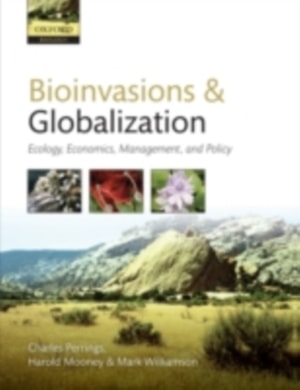
Bioinvasions and Globalization synthesises our current knowledge of the ecology and economics of biological invasions, providing an in-depth evaluation of the science and its implications for managing the causes and consequences of one of the most pressing environmental issues facing humanity today.
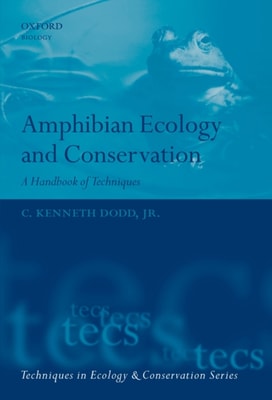
This practical manual of amphibian ecology and conservation brings together a distinguished, international group of amphibian researchers to provide a state-of-the-art review of the many new and exciting techniques used to study amphibians and to track their conservation status and population trends.