Global Application of Prescribed Fire provides a first-hand perspective of the various methods and ways people around the world view and use prescribed fire.
The greater Perth coast is a biodiverse and ecologically vulnerable region, with its unique native plant species threatened by clearing, invasive species, fire and climate change.
The Murray-Darling Basin spans more than 1 million square kilometres across the lower third of Queensland, most of New South Wales, the Australian Capital Territory, northern Victoria and the south-eastern corner of South Australia.
The Hunter Region, between the Hawkesbury and Manning rivers in eastern New South Wales, hosts a rich diversity of vegetation, with many species found nowhere else.
Meeting future food needs without compromising environmental integrity is a central challenge for agriculture globally but especially for the Asia Pacific region - where 60% of the global population, including some of the world's poorest, live on only 30% of the land mass.
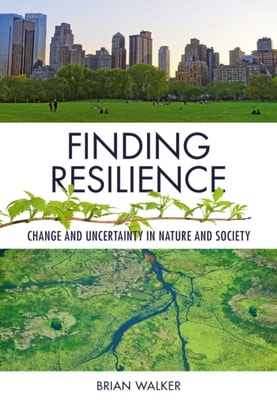
Floods, fires, famines, epidemics and disasters of all kinds are on the increase, and as their frequency rises so does the call for greater resilience.
Reptiles and Amphibians of Australia is a complete guide to Australia's rich and varied herpetofauna, including frogs, crocodiles, turtles, tortoises, lizards and snakes.
Lizards and snakes (squamate reptiles) are the most diverse vertebrate group in Australia, with approximately 1000 described species, representing about 10% of the global squamate diversity.
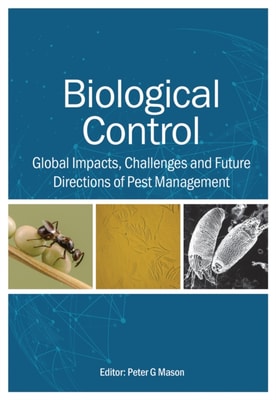
Biological Control: Global Impacts, Challenges and Future Directions of Pest Management provides a historical summary of organisms and main strategies used in biological control, as well as the key challenges confronting biological control in the 21st century.
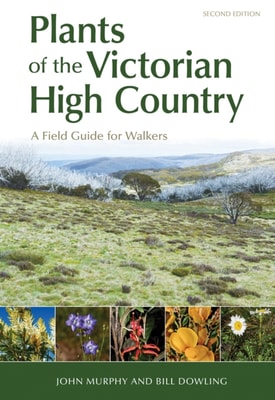
Plants of the Victorian High Country allows walkers with little botanical knowledge to identify plants they are likely to encounter along the popular tracks of Victoria's High Country.
Plants of the Victorian High Country allows walkers with little botanical knowledge to identify plants they are likely to encounter along the popular tracks of Victoria's High Country.
The bioregion of Australia, New Zealand, Antarctica and New Guinea possesses a unique natural heritage stretching back over 80 million years since the break-up of the great southern continent of Gondwana.
The bioregion of Australia, New Zealand, Antarctica and New Guinea possesses a unique natural heritage stretching back over 80 million years since the break-up of the great southern continent of Gondwana.
Ecology of Australian Temperate Reefs presents the current state of knowledge of the ecology of important elements of southern Australian sub-tidal reef flora and fauna, and the underlying ecological principles.
Ecology of Australian Temperate Reefs presents the current state of knowledge of the ecology of important elements of southern Australian sub-tidal reef flora and fauna, and the underlying ecological principles.
This timely and urgent collection brings together cutting-edge interdisciplinary scholarship and ideas from around the world to present critical examinations of climate coloniality.