The second edition of this widely cited textbook continues to provide a concise but comprehensive introduction to cave and subterranean biology, describing this fascinating habitat and its biodiversity.
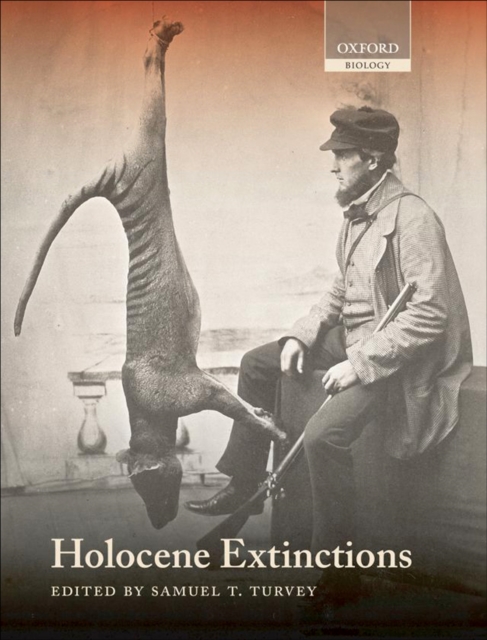
Most people are familiar with the dodo and the dinosaur, but extinction has occurred throughout the history of life, with the result that nearly all the species that have ever existed are now extinct.
Most people are familiar with the dodo and the dinosaur, but extinction has occurred throughout the history of life, with the result that nearly all the species that have ever existed are now extinct.
Since time immemorial mankind has taken it upon himself to wage war against nature -- against those species of birds and mammals which he believes conflict with his livelihood.
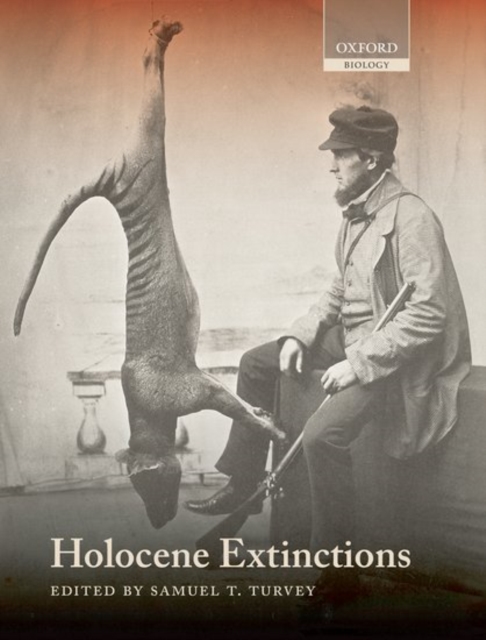
The extent to which human activity has influenced species extinctions during the recent prehistoric past remains controversial due to other factors such as climatic fluctuations and a general lack of data.
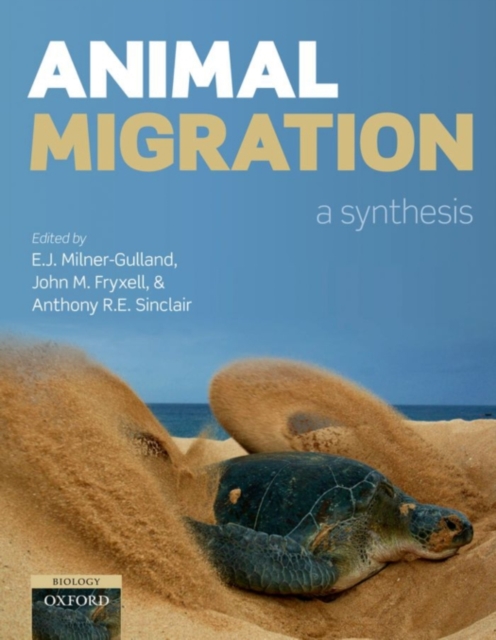
Despite the wealth of natural historical research conducted on migration over decades, there is still a dearth of hypothesis-driven studies that fully integrate theory and empirical analyses to understand the causes and consequences of migration, and a taxonomic bias towards birds in much migration research.
Bioinvasions and Globalization synthesises our current knowledge of the ecology and economics of biological invasions, providing an in-depth evaluation of the science and its implications for managing the causes and consequences of one of the most pressing environmental issues facing humanity today.
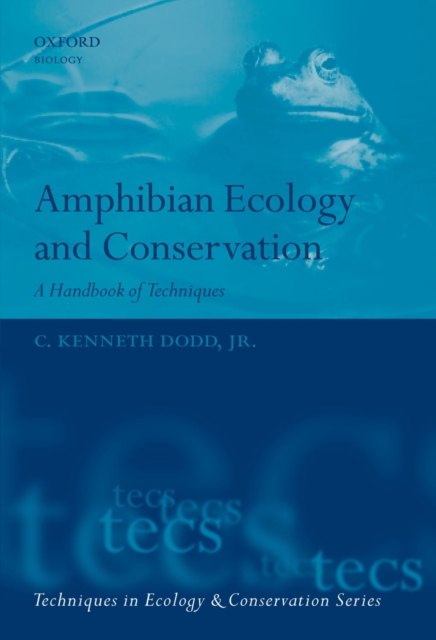
This practical manual of amphibian ecology and conservation brings together a distinguished, international group of amphibian researchers to provide a state-of-the-art review of the many new and exciting techniques used to study amphibians and to track their conservation status and population trends.
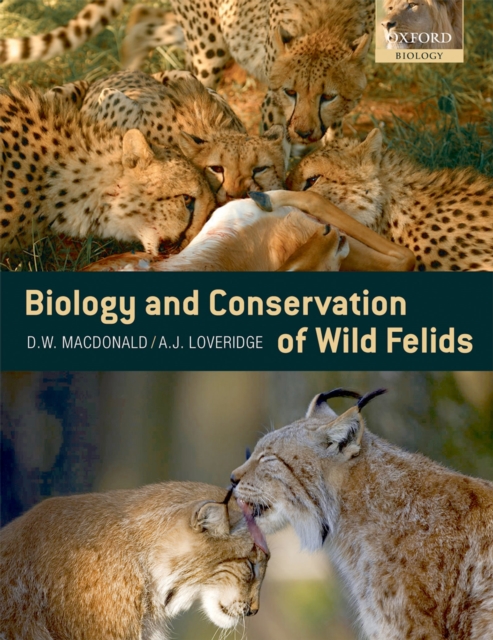
The editors utilize their 50 years of combined experience in professional engagement with the behaviour and ecology of wild felids to draw together a unique network of the world's most respected and knowledgeable experts.
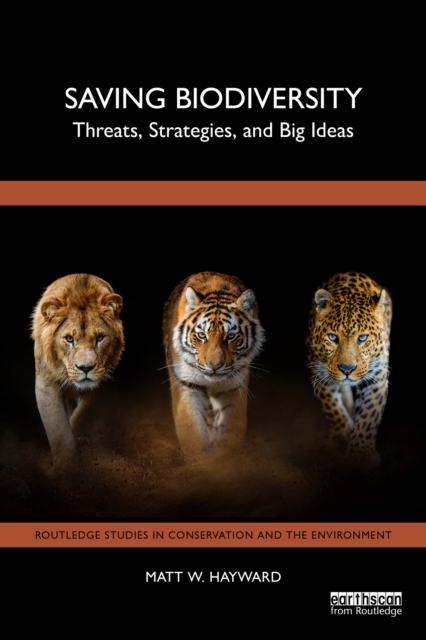
Drawing on the author's personal experiences working across the globe, this book explains why we need to conserve biodiversity, the threats it faces, how we can successfully conserve biodiversity, and some success stories of how we have conserved it.
The extent to which human activity has influenced species extinctions during the recent prehistoric past remains controversial due to other factors such as climatic fluctuations and a general lack of data.
With up to a quarter of all insect species heading towards extinction over the next few decades, there is now a pressing need to summarize the techniques available for measuring insect diversity in order to develop effective conservation strategies.
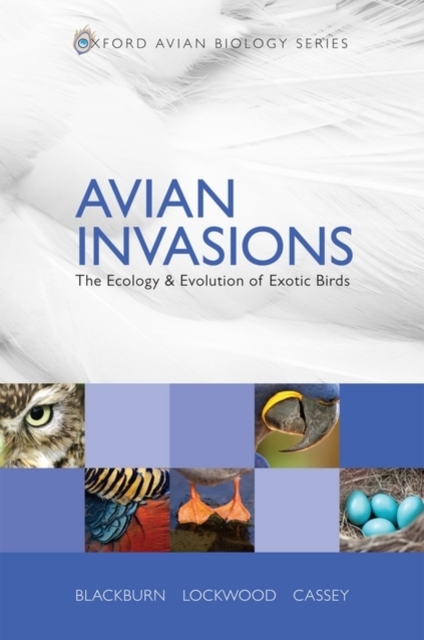
Biological invaders represent one of the primary threats to the maintenance of global biodiversity, human health, and the success of human economic enterprises.
The History of British Birds reviews our knowledge of avifaunal history over the last 15,000 years, setting it in its wider historical and European context.
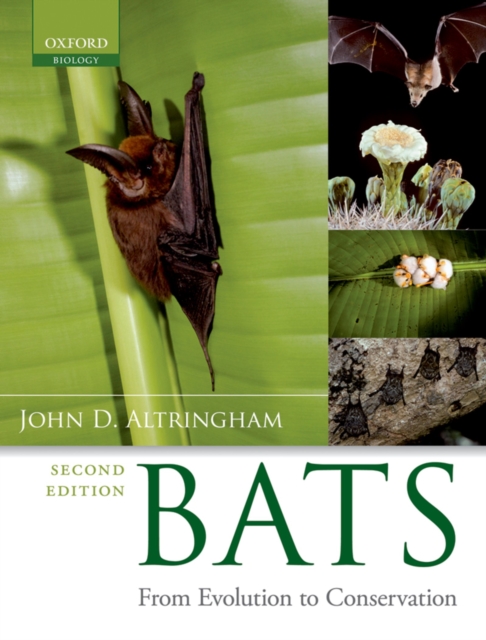
Bats are highly charismatic and popular animals that are not only fascinating in their own right, but illustrate most of the topical and important concepts and issues in mammalian biology.
This book is unique in providing a global overview of alpine (high mountain) habitats that occur above the natural (cold-limited) tree line, describing the factors that have shaped them over both ecological and evolutionary timescales.
Forest conservation has become one of the most important environmental issues currently facing humanity, as a result of widespread deforestation and forest degradation.
The relentless exploitation and unsustainable use of wildlife, whether for food, medicine or other uses, is a key concern for conservationists worldwide.
Temporary waters are found throughout the world, and include intermittent streams and ponds, episodic rain puddles, seasonal limestone lakes, the water-retaining structures of plants, such as bromeliads and pitcher plants, and a variety of man-made container habitats.
Unlike humans, who came down from the trees and developed bipedal locomotion, chimpanzees have remained in the original habitat of our ancestors: the tropical rainforests of Africa.
This is the first book to summarize the methods, conceptual issues and results of studies using the interpretation of feather growth rates as an index of nutritional condition in birds.
Since time immemorial mankind has taken it upon himself to wage war against nature -- against those species of birds and mammals which he believes conflict with his livelihood.
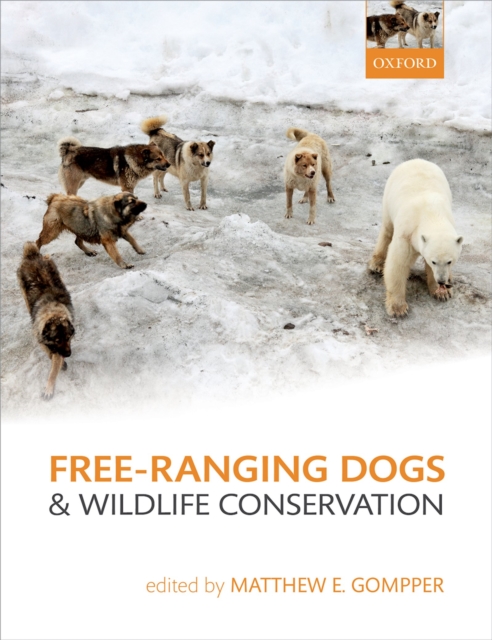
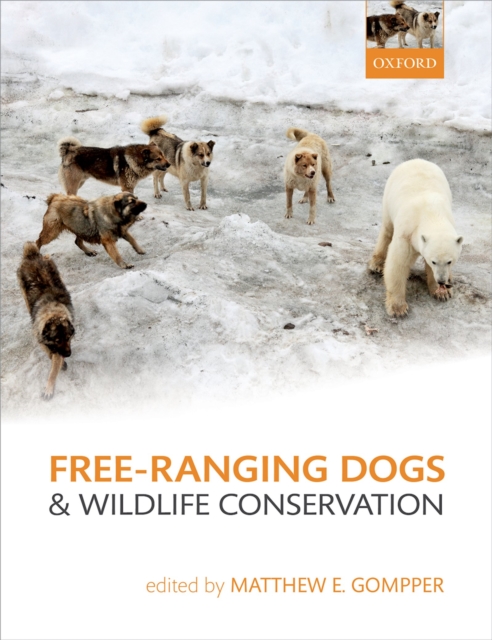
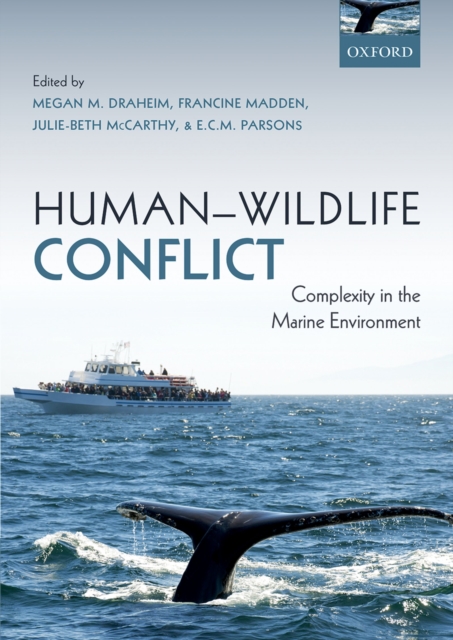
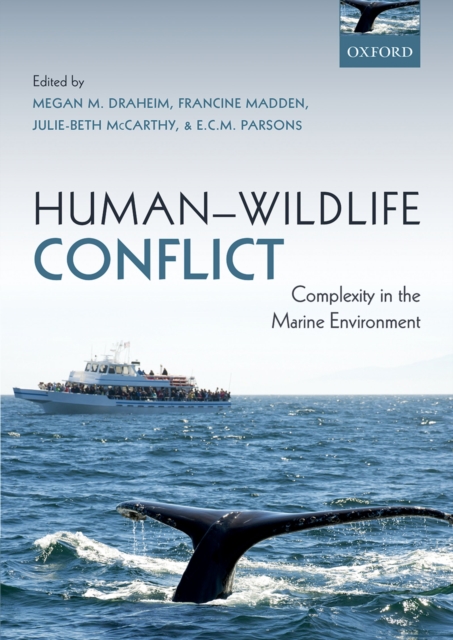
Human-wildlife conflict (HWC) has classically been defined as a situation where wildlife impacts humans negatively (physically, economically, or psychologically), and where humans likewise negatively impact wildlife.
Human-wildlife conflict (HWC) has classically been defined as a situation where wildlife impacts humans negatively (physically, economically, or psychologically), and where humans likewise negatively impact wildlife.
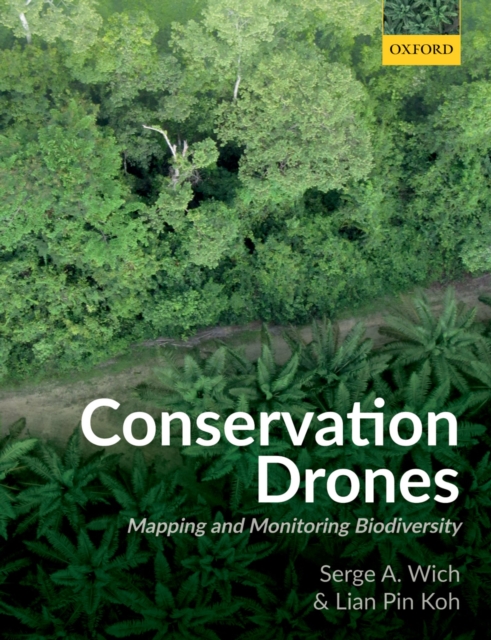
Increasing numbers of ecologists and conservation biologists have begun to explore the use of drone technology to obtain accurate and up-to-date data on the distribution and density of species, as well as the threats to their habitats, in their ongoing attempts to conserve and monitor biodiversity.