One of the greatest unmet challenges in conservation biology is the genetic management of fragmented populations of threatened animal and plant species.
This practical manual of freshwater ecology and conservation provides a state-of-the-art review of the approaches and techniques used to measure, monitor, and conserve freshwater ecosystems.
The musteloids are the most diverse super-family among carnivores, ranging from little known, exotic, and highly-endangered species to the popular and familiar, and include a large number of introduced invasives.
This book offers a multidisciplinary analysis of the degradation process of an ecosystem, drawing upon the Mar Menor as a case study to highlight the damage human pressure causes to the environment.
Many of the encounters between farming and wildlife, especially vertebrates, involve some level of conflict which can cause disadvantage to both the wildlife and the people involved.
Using more than 30 years research from the author team at the Wildlife Conservation Research Unit (WildCRU), this volume reveals how agricultural systems and wildlife interact, presenting examples from scales varying from landscape to microcosm, from populations to individuals, covering plants, invertebrates, birds, and mammals.
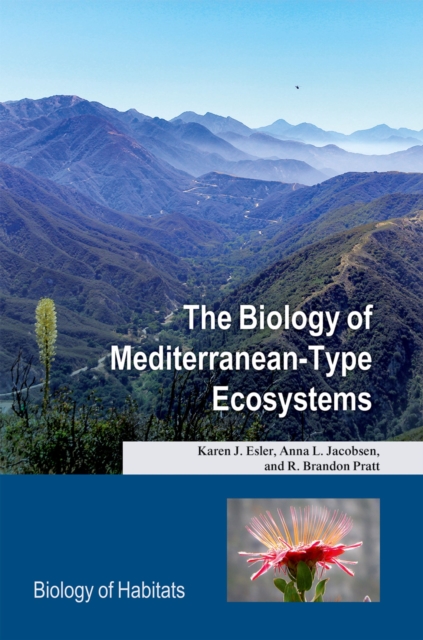
The world's mediterranean-type climate regions (including areas within the Mediterranean, South Africa, Australia, California, and Chile) have long been of interest to biologists by virtue of their extraordinary biodiversity and the appearance of evolutionary convergence between these disparate regions.
This practical handbook of reptile field ecology and conservation brings together a distinguished, international group of reptile researchers to provide a state-of-the-art review of the many new and exciting techniques used to study reptiles.
This practical handbook of reptile field ecology and conservation brings together a distinguished, international group of reptile researchers to provide a state-of-the-art review of the many new and exciting techniques used to study reptiles.
This practical manual of amphibian ecology and conservation brings together a distinguished, international group of amphibian researchers to provide a state-of-the-art review of the many new and exciting techniques used to study amphibians and to track their conservation status and population trends.
Understanding the complex relationships between humans and the natural world is essential for achieving environmental sustainability and improving human well-being, yet many studies are unable to reveal complex interactions and hidden trends.
Understanding the complex relationships between humans and the natural world is essential for achieving environmental sustainability and improving human well-being, yet many studies are unable to reveal complex interactions and hidden trends.
The number of primates on the brink of extinction continues to grow, and the need to respond with effective conservation measures has never been greater.
The number of primates on the brink of extinction continues to grow, and the need to respond with effective conservation measures has never been greater.
Since the release of the documentary Blackfish in 2013, millions around the world have focused on the plight of the orca, the most profitable and controversial display animal in history.
Since the release of the documentary Blackfish in 2013, millions around the world have focused on the plight of the orca, the most profitable and controversial display animal in history.
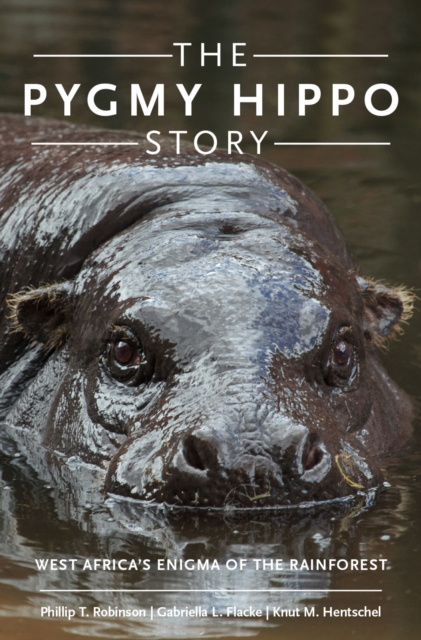
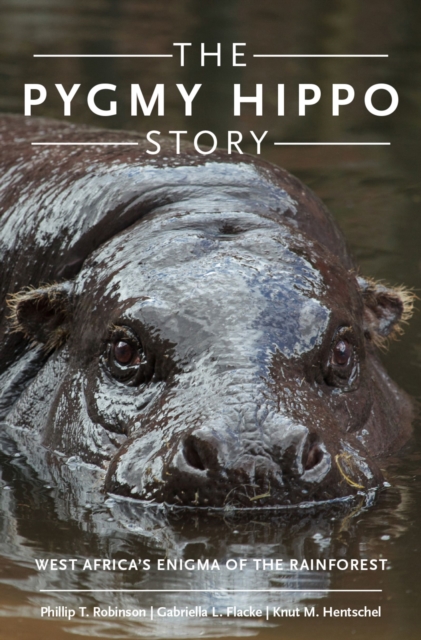
Though the pygmy hippopotamus has been designated as a flagship species of West African forests (meaning that by raising conservation efforts for a single species, an entire ecological region could benefit), very little research has been published on the animal.
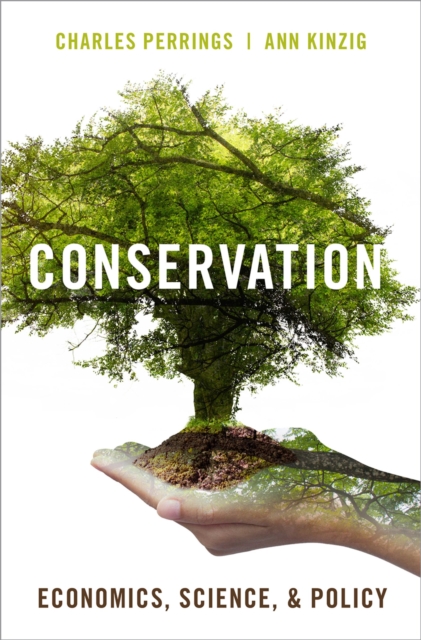
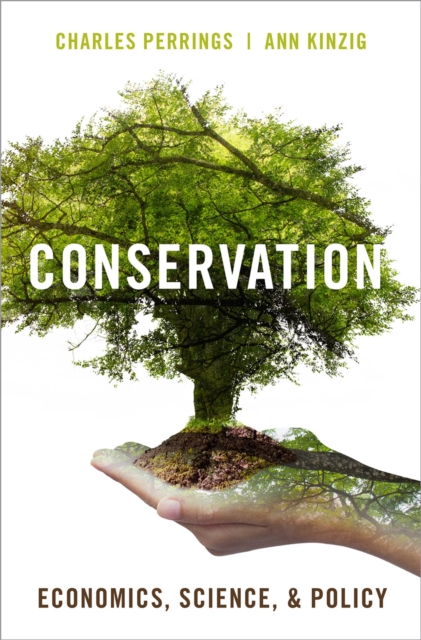
A unified theory of conservation that addresses the broad problem of conservation, the principles that inform conservation choices, and the application of those principles to the management of the natural world.
A unified theory of conservation that addresses the broad problem of conservation, the principles that inform conservation choices, and the application of those principles to the management of the natural world.
Though the pygmy hippopotamus has been designated as a flagship species of West African forests (meaning that by raising conservation efforts for a single species, an entire ecological region could benefit), very little research has been published on the animal.
This book reviews and analyzes the period (roughly from the 1950s to the present) when the "e;environment"e; became an issue as important as economic growth, or war and peace; to assess the current situation, and begin planning for the challenges that lie ahead.
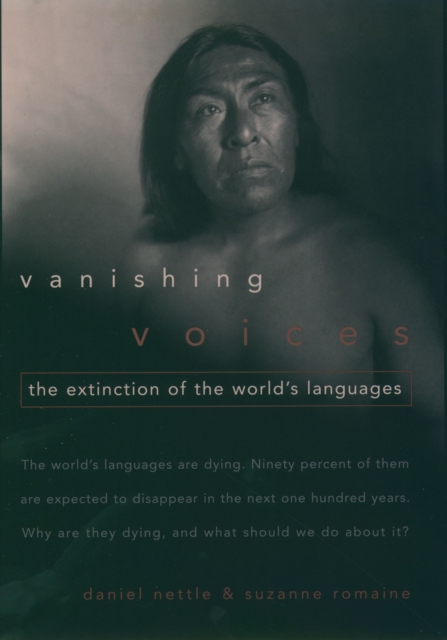
Few people know that nearly 100 native languages once spoken in what is now California are near extinction, or that most of Australia's 250 aboriginal languages have vanished.
We hear about pieces of ice the size of continents breaking off of Antarctica, rapidly melting glaciers in the Himalayas, and ice sheets in the Arctic crumbling to the sea, but does it really matter?
We hear about pieces of ice the size of continents breaking off of Antarctica, rapidly melting glaciers in the Himalayas, and ice sheets in the Arctic crumbling to the sea, but does it really matter?
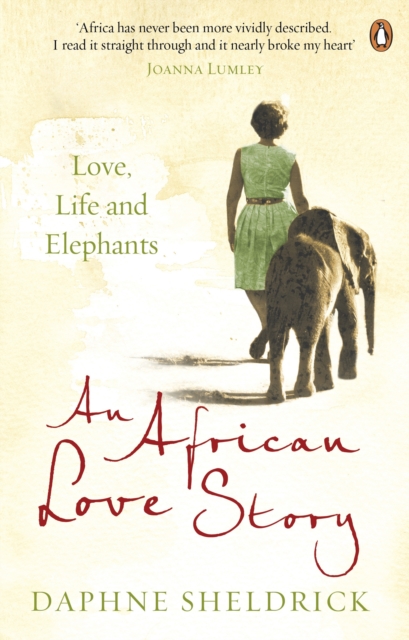
Daphne Sheldrick's best-selling love story of romance, life and elephants, An African Love Story: Love, Life and Elephants is an incredible story from Africa's greatest living conservationist.
'When you have a large collection of animals to transport from one end of the world to the other you cannot, as a lot of people seem to think, just hoist them aboard the nearest ship and set off with a gay wave of your hand.
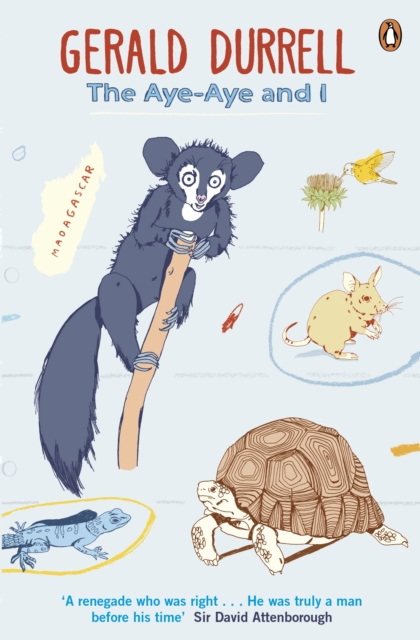
'In the gloom it came along the branches towards me, its round, hypnotic eyes blazing, its spoon-like ears turning to and fro independently like radar dishes .
"e;Not since Darwin has an author so lifted the science of ecology with insight and delightful imagery"e; - Richard Dawkins In this book a master scientist tells the great story of how life on earth evolved.
Approaches to Water Sensitive Urban Design: Potential, Design, Ecological Health, Economics, Policies and Community Perceptions covers all aspects on the implementation of sustainable storm water systems for urban and suburban areas whether they are labeled as WSUD, Low Impact Development (LID), Green Infrastructure (GI), Sustainable Urban Drainage Systems (SUDS) or the Sponge City Concept.
Approaches to Water Sensitive Urban Design: Potential, Design, Ecological Health, Economics, Policies and Community Perceptions covers all aspects on the implementation of sustainable storm water systems for urban and suburban areas whether they are labeled as WSUD, Low Impact Development (LID), Green Infrastructure (GI), Sustainable Urban Drainage Systems (SUDS) or the Sponge City Concept.
The Great Tree of Life is a concise, approachable treatment that surveys the concept of the Tree of Life, including chapters on its historical introduction and cultural connection.
The Middle Zambezi, host to a rich biodiversity, is located in the central part of the Zambezi River Basin which covers eight Southern African Countries.