Explore the multiple issues that surround species declines and conservation efforts through the only reference source to examine the conflicting conservation issues of 49 endangered species.
Nature-Based Design in Landscape Architecture showcases a range of built works designed by landscape architects from many countries of the world representing diverse environmental regions and uses.
This book explores the intimate relationship of the people of North East India with the environment as evinced from their traditional beliefs, cultural practices, and livelihood.
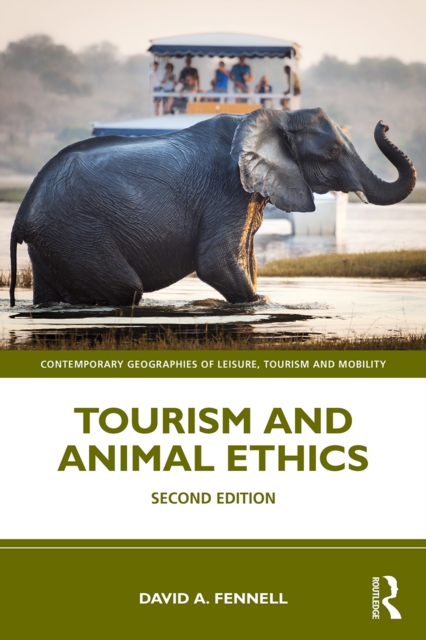
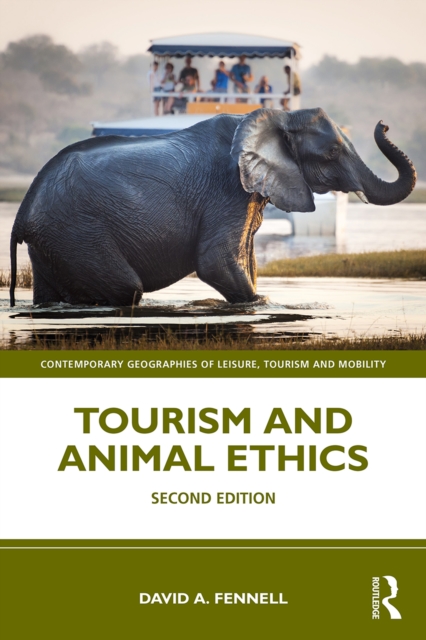
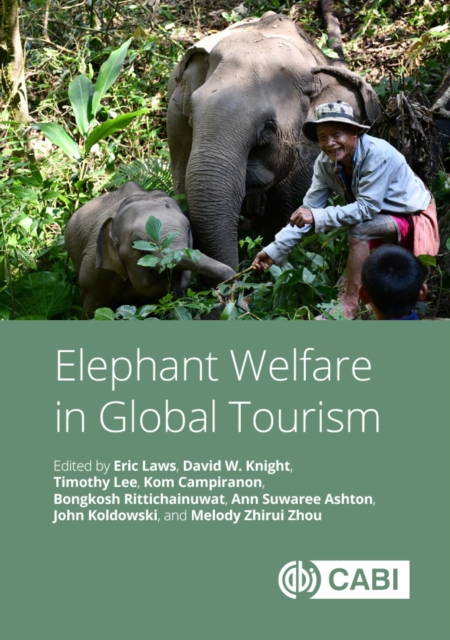
This timely book provides a critical account of the role that animals play in the tourism industry, representing an extension of the sustainability imperative and environmental theory.
This timely book provides a critical account of the role that animals play in the tourism industry, representing an extension of the sustainability imperative and environmental theory.
Developing upon emerging environmental humanities and multispecies anthropological theories, this book provides a fresh perspective on how we might rethink more-than-human relationality and why it is important to "e;nurture alternative futures"e;.
Developing upon emerging environmental humanities and multispecies anthropological theories, this book provides a fresh perspective on how we might rethink more-than-human relationality and why it is important to "e;nurture alternative futures"e;.
A Guardian 'Book of the day'Winner of the Richard Jefferies Award for Nature WritingShortlisted for the 2025 Highland Book Prize'A captivating book' Independent'Her enthusiasm is contagious' Guardian'A meditation on life, culture and trees' FRED PEARCE'Unofficial poet laureate of our woodlands' Scotsman________________For millennia,elms shaped our landscape and our folklore;then they started dying.
Ponds and pools are a common feature of our landscape - there are at least ten times as many ponds as lakes in the UK - and they are also important wildlife habitats.
At the centre of the elephant tourism industry lie two profound challenges: the delicate balance between income and compassion, and the severe threats to the survival of all remaining elephant species.
"e;Three steps into Oneness"e;To face the challenges of modern life, we need to evolve a new view of awakening by being balanced within the wisdom of the Absolute and the Relative.
WINNER OF THE PEOPLE'S BOOK PRIZE FOR NON-FICTIONLONGLISTED FOR THE WAINWRIGHT PRIZE FOR CONSERVATION WRITINGFINALIST IN THE GARDEN MEDIA GUILD AWARDSFive years after writing her first nature memoir, The Bumblebee Flies Anyway, Kate Bradbury has a new garden.
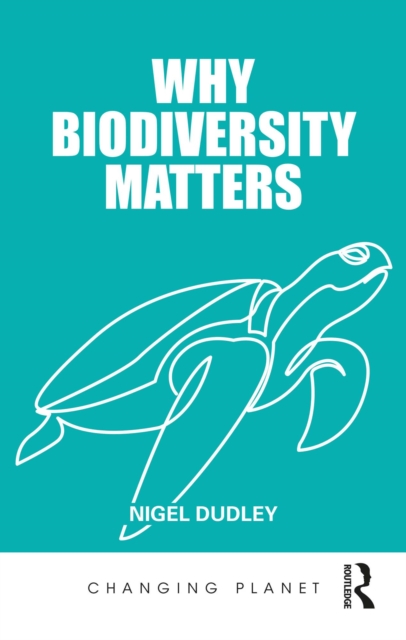
All life on Earth has the right to exist, but as we teeter on the verge of a sixth extinction this book discusses why biodiversity matters and why we should care if species go extinct.
This book examines the global, local, and specific environmental factors that facilitate illegal fishing and proposes effective ways to reduce the opportunities and incentives that threaten the existence of the world's fish.
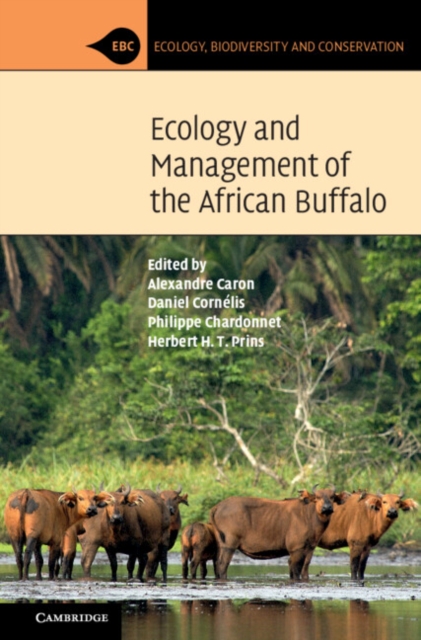
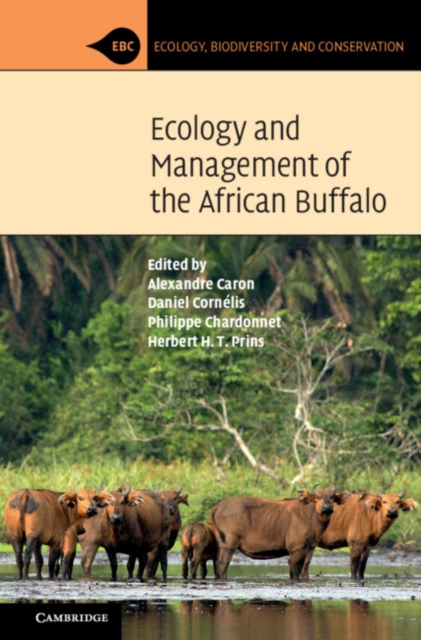
The book uses a multi-disciplinary approach to address lessons learned and challenges encountered over the years in different ecological, economic, political and cultural contexts.
Rivers have been vitally important to human populations worldwide for millennia as "e;highways"e; for inland travel, and as sources of water for drinking, cooking, cleaning, manufacturing, irrigation, and power generation, as well as repositories for human, animal, and industrial wastes.
With the whimsy and heart of The Soul of an Octopus and the surprising details of the very best science writing, The Curious World of Seahorses brilliantly captures the oceans most charismatic and mysterious inhabitant.
This book extends the framework of the climate-energy-land nexus to elucidate political, economic, social, and institutional factors and causal mechanisms that stringent climate targets bring about, rather than mitigate a disproportional heavy burden on the forest sector in Indonesia.
This book extends the framework of the climate-energy-land nexus to elucidate political, economic, social, and institutional factors and causal mechanisms that stringent climate targets bring about, rather than mitigate a disproportional heavy burden on the forest sector in Indonesia.