This book focuses on the impacts of anthropogenic radiation on wildlife and ecosystems and provides an in-depth look at the approaches and available tools we can use to gain information about biological effects of radiation in the environment.
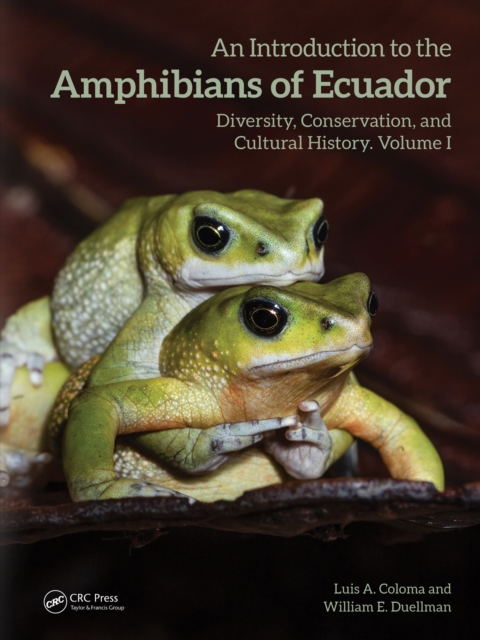
An Introduction to the Amphibians of Ecuador is the first of four volumes, which are comprehensive, well-illustrated, and authoritative works, making them invaluable to biologists, conservationists, and others.
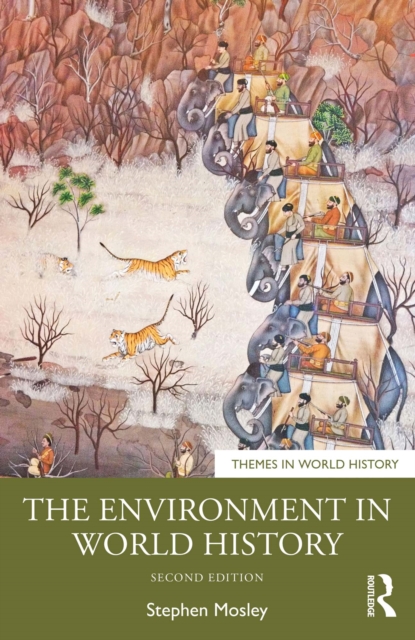
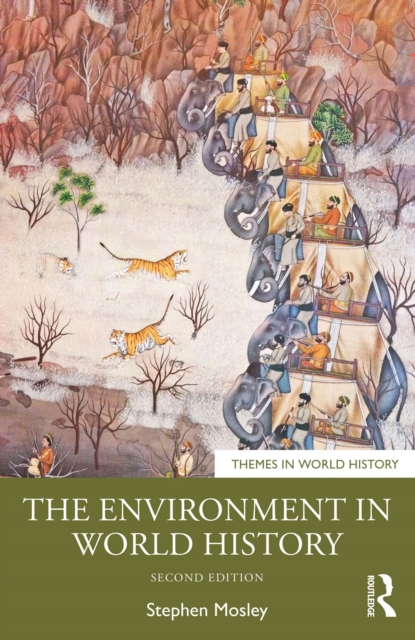
Now in its second edition and refreshed by a decade of new research, The Environment in World History uncovers the deep-rooted causes of interconnected climate, biodiversity, and ecological crises that have brought the environment to the top of the global political agenda in the twenty-first century.
Now in its second edition and refreshed by a decade of new research, The Environment in World History uncovers the deep-rooted causes of interconnected climate, biodiversity, and ecological crises that have brought the environment to the top of the global political agenda in the twenty-first century.
This book focuses on the impacts of anthropogenic radiation on wildlife and ecosystems and provides an in-depth look at the approaches and available tools we can use to gain information about biological effects of radiation in the environment.
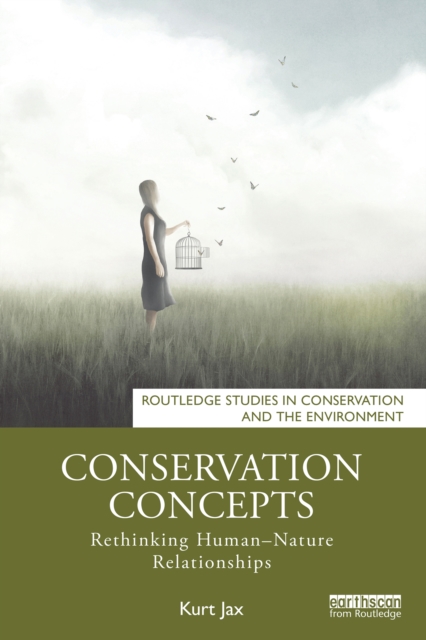
This book provides a review of the multitude of conservation concepts, both from a scientific, philosophical, and social science perspective, asking how we want to shape our relationships with nature as humans, and providing guidance on which conservation approaches can help us to do this.
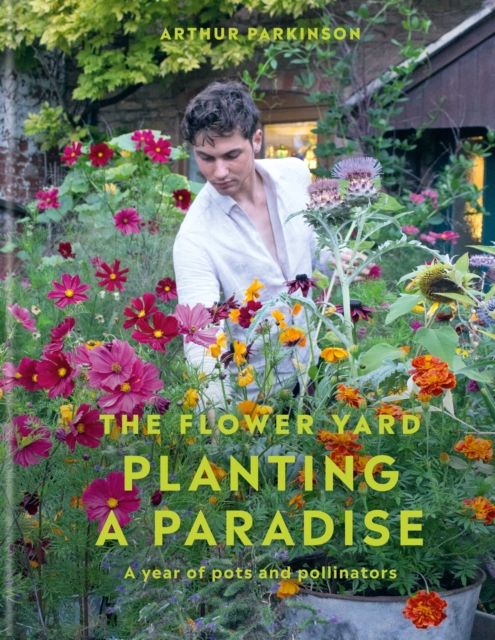
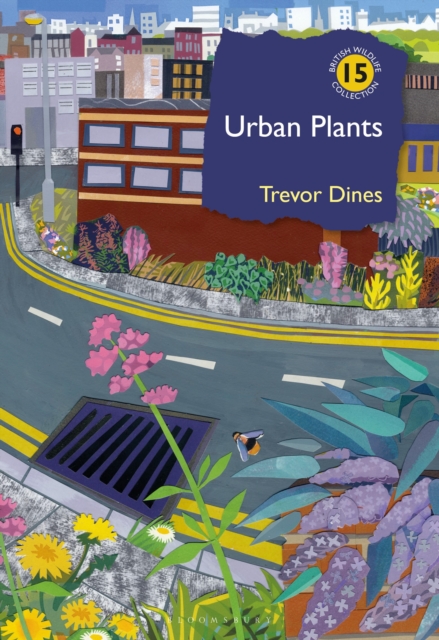
Selected for The Times Best Gardening Books of the Year 2023Every garden, large or small, in a town or in the country, even one formed completely by pots, can be a living dance of lavish colours, glorious scents and pollen-rich flowers alive to the sound of bird song and the buzz of bees.
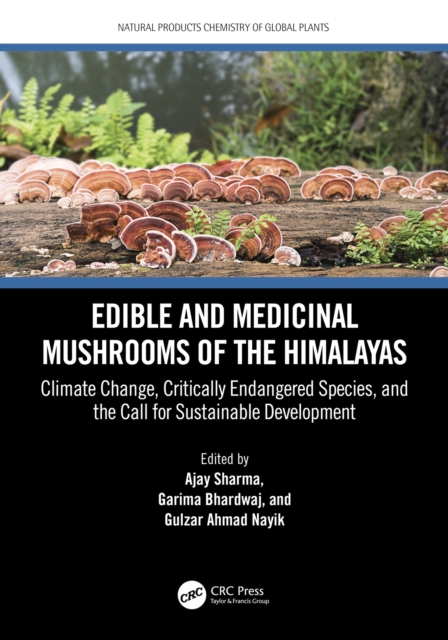
This book, as part of the "e;Natural Products Chemistry of Global Plants"e; series, describes in detail the health-promoting wild edible and medicinal mushrooms specific to the Himalayas region.
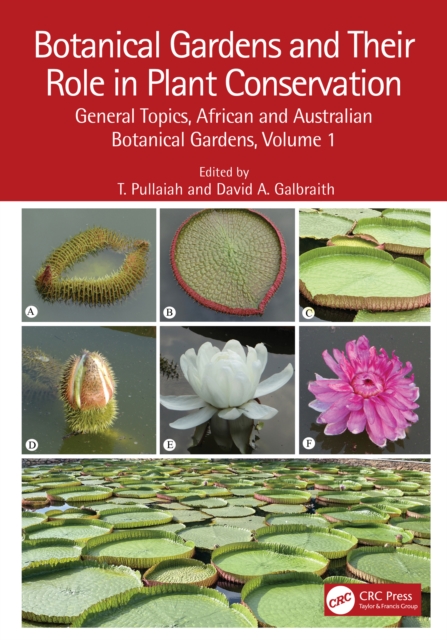
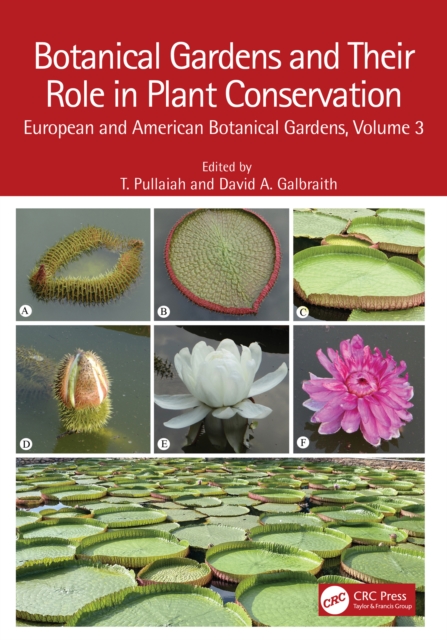
Approaching the contributions of a world-wide sector of scientific institutions to addressing the extinction crisis, Botanical Gardens and Their Role in Plant Conservation brings together a diversity of perspectives.
Approaching the contributions of a world-wide sector of scientific institutions to addressing the extinction crisis, Botanical Gardens and Their Role in Plant Conservation brings together a diversity of perspectives.
The Everglades Handbook: Understanding the Ecosystem, Fifth Edition is packed with scientific information about the greater Everglades ecosystem, taking into account how drastically the Everglades has changed.
The Everglades Handbook: Understanding the Ecosystem, Fifth Edition is packed with scientific information about the greater Everglades ecosystem, taking into account how drastically the Everglades has changed.
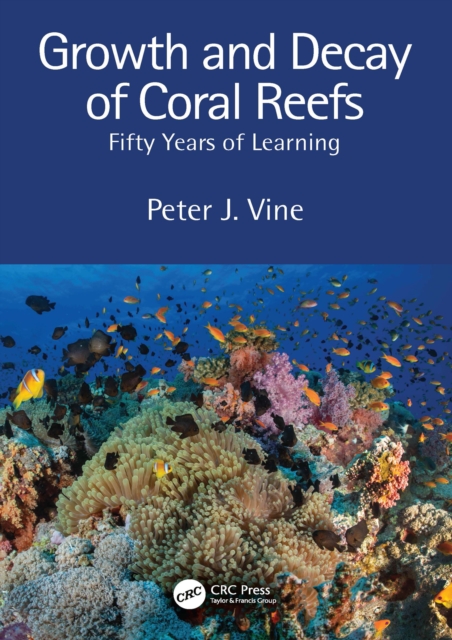
Growth and Decay of Coral Reefs: Fifty Years of Learning describes how coral reefs have alternately flourished and declined over the last 50 years and the dynamics of these changes.
Growth and Decay of Coral Reefs: Fifty Years of Learning describes how coral reefs have alternately flourished and declined over the last 50 years and the dynamics of these changes.
Limpopo Life introduces the reader to the material culture, oral histories, and the negotiation of conservation and landscape in an area now known as Limpopo National Park.
Limpopo Life introduces the reader to the material culture, oral histories, and the negotiation of conservation and landscape in an area now known as Limpopo National Park.
Career development in the tourism and hospitality industry has attracted greater attention, leading to a higher recognition of the relevance of formal and industry-specific education and training.
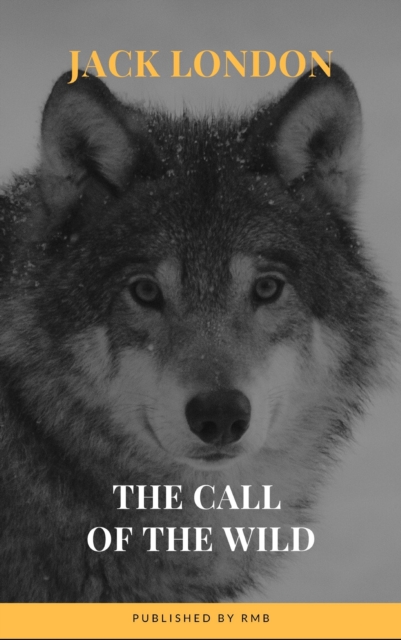
Esta historia tiene como protagonista a un perro llamado Buck que en el otoño de 1894, cuando el descubrimiento de los yacimientos auríferos de Klondike arrastra hacia los hielos de Alaska a hombres de todas partes del globo, Buck es productivamente vendido y enviado al Norte.
Heike Vesper, Meeresbiologin, WWF-Direktorin und leidenschaftliche Taucherin, erzählt hier von der Faszination des Lebens unter Wasser, vom Kampf um den Schutz der Weltmeere vor Überfischung, Ausbeutung und Verschmutzung und der Bedeutung der Meere für das Überleben der Menschheit.
Although their significance often goes unnoticed in our day-to-day lives, insects are diverse creatures that play an indispensable role in our ecosystems.