This book explores how language and communication shape the increasingly entangled lives of people and sea turtles at the nexus of sea turtle conservation and ecotourism.
This book explores how language and communication shape the increasingly entangled lives of people and sea turtles at the nexus of sea turtle conservation and ecotourism.
Environmental issues are a growing concern for our society, and should deserve increased attention, given the extremely negative climate changes which have been taking place.
Environmental issues are a growing concern for our society, and should deserve increased attention, given the extremely negative climate changes which have been taking place.
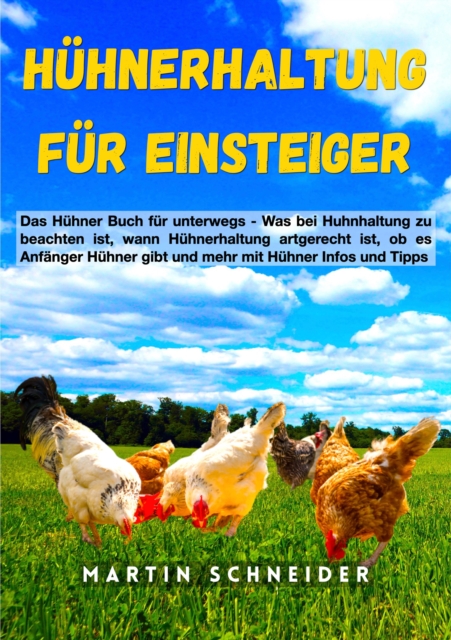
Bei diesem Buch handelt es sich um ein Buch für die ganze Familie und es klärt dich über einiges im Bereich Ernährung, Hühnerhaltung, "Fleischproduktion", etc.
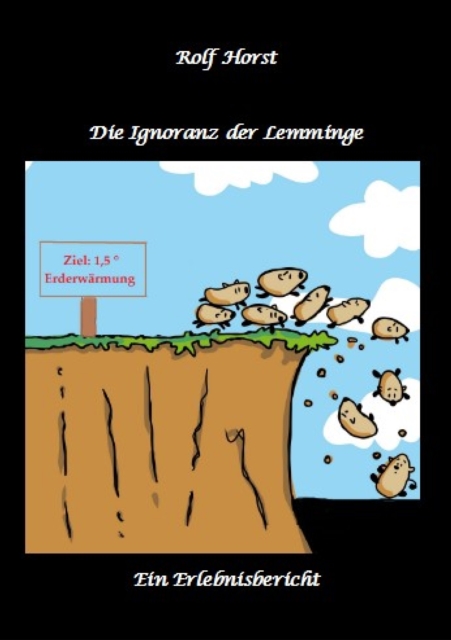
Es geht einerseits um das Artensterben und hier sind nicht nur die Tiere - Insekten wie Bienen, Hummeln, Wespen, Schwebfliegen gemeint, die für eine Bestäubung unserer Pflanzen sorgen, sondern auch die Spezies Mensch!
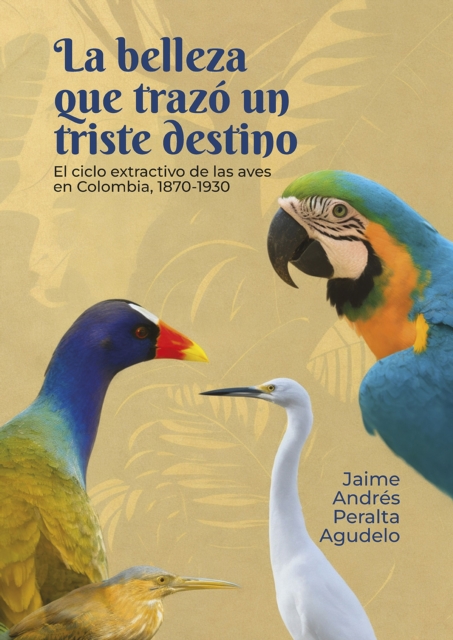
El ciclo extractivo de las aves silvestres se dio en Colombia de 1870 a 1930, cuando cientos de miles de ejemplares vivos fueron cazados, y sus insumos derivados (cuerpos disecados, pieles, plumas, cabezas, garras, picos, etc.
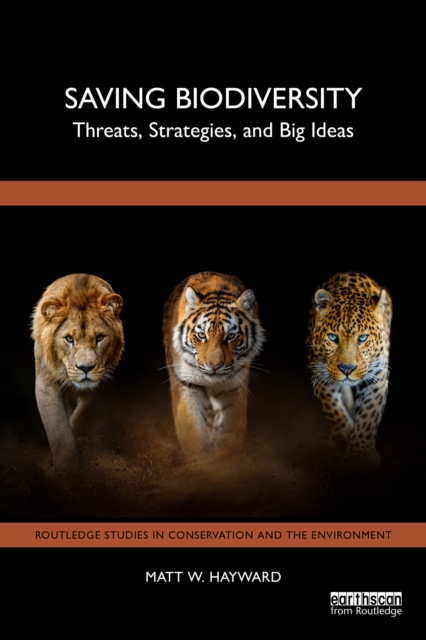
Drawing on the author's personal experiences working across the globe, this book explains why we need to conserve biodiversity, the threats it faces, how we can successfully conserve biodiversity, and some success stories of how we have conserved it.
Enormes incendios forestales y de matorrales, aguaceros gigantescos, bosques moribundos , inundaciones, catastrofes por sequias y tornados: noticias de catastrofes casi diarias en periodicos y tickers de noticias.
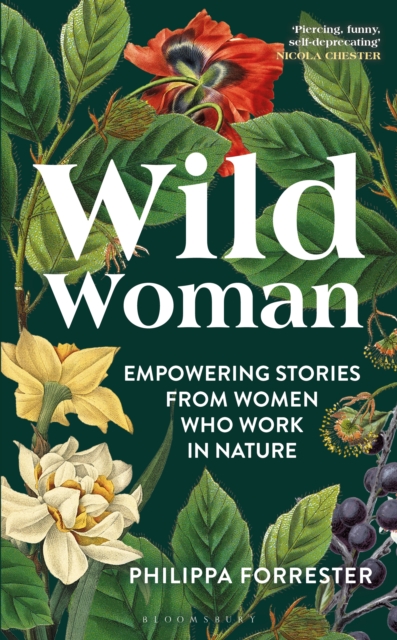
An engaging blend of conservation stories and humorous, personal anecdotes from Philippa Forrester about women who, like her, choose to live and work in the wild.
This book is the story of the natural history of Chagos Archipelago, and of the efforts of many to get it recognized as an important and protected wildlife reserve.
Andere Länder hatten – von Yellowstone bis zur Serengeti – längst ihre großen Nationalparks, als 1970 im Bayerischen Wald Deutschlands erster Nationalpark gegründet wurde.
Global Environmental Politics has provided an accurate, up-to-date, and unbiased understanding of the world's most pressing environmental issues for more than thirty years.
An engaging blend of conservation stories and humorous, personal anecdotes from Philippa Forrester about women who, like her, choose to live and work in the wild.
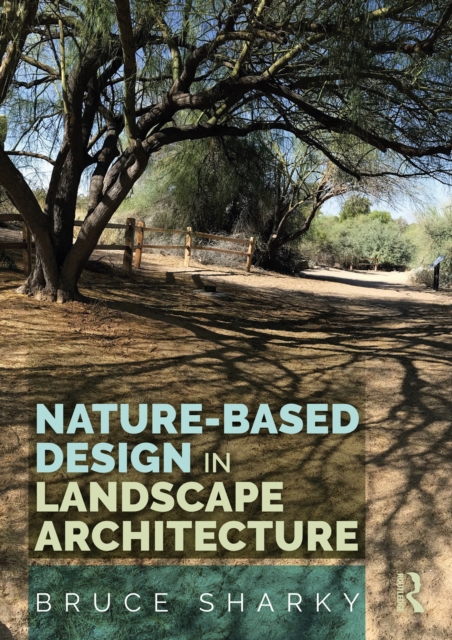
Nature-Based Design in Landscape Architecture showcases a range of built works designed by landscape architects from many countries of the world representing diverse environmental regions and uses.
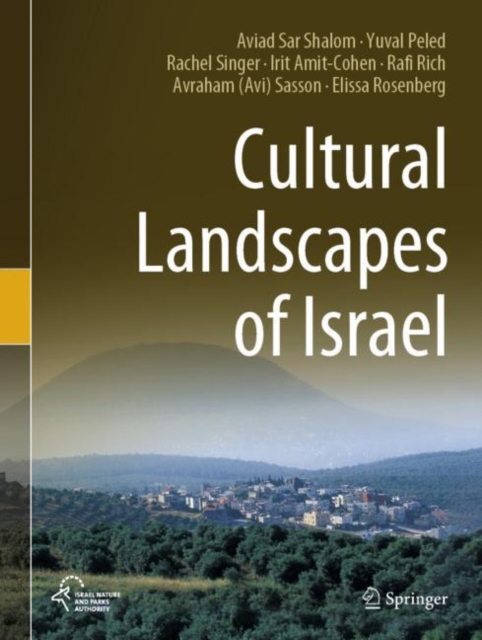
This book introduces an inventory of proposed cultural landscapes in Israel, which have been identified, researched and mapped by the Israel Nature and Parks Authority.
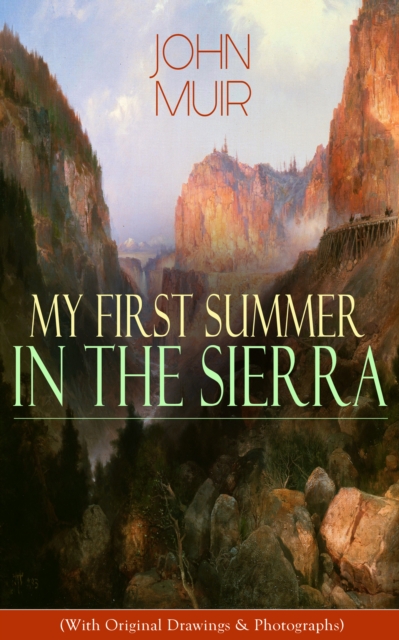
This carefully crafted ebook: "e;My First Summer in the Sierra (With Original Drawings & Photographs)"e; is formatted for your eReader with a functional and detailed table of contents.
Explore the multiple issues that surround species declines and conservation efforts through the only reference source to examine the conflicting conservation issues of 49 endangered species.
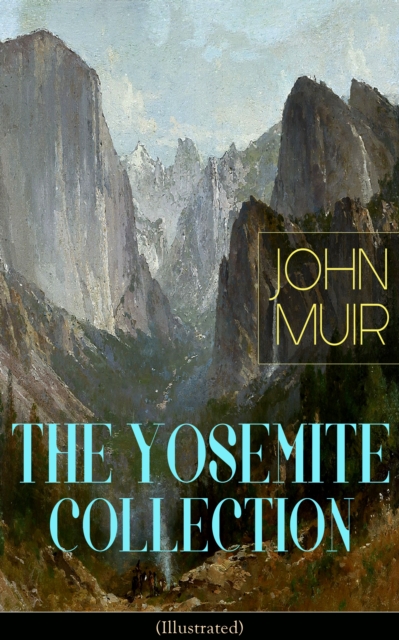
THE YOSEMITE COLLECTION of John Muir (Illustrated) gathers Muir's luminous writings on the Sierra Nevada's most celebrated valley, presenting Yosemite not merely as scenery but as a living, dynamic cathedral of rock, water, forest, and light.
This book introduces an inventory of proposed cultural landscapes in Israel, which have been identified, researched and mapped by the Israel Nature and Parks Authority.
Considerando la planificación, construcción y puesta en marcha de tres grandes centrales –Rapel, Colbún y Pangue-Ralco–, el presente libro analiza las representaciones sociales existentes en torno a la hidroelectricidad en Chile.
Nature-Based Design in Landscape Architecture showcases a range of built works designed by landscape architects from many countries of the world representing diverse environmental regions and uses.
This book explores the intimate relationship of the people of North East India with the environment as evinced from their traditional beliefs, cultural practices, and livelihood.