Effective policy is vital for creating greener economies, new jobs and industries, for securing energy supplies and for protecting the climate and environment.
Effective policy is vital for creating greener economies, new jobs and industries, for securing energy supplies and for protecting the climate and environment.
Governing environmental risk, particularly large-scale transboundary risks associated with climate change and pollution, is one of the most pressing problems facing society .
Governing environmental risk, particularly large-scale transboundary risks associated with climate change and pollution, is one of the most pressing problems facing society .
In recent decades agricultural commodity surpluses in the developed world have contributed to a mantra of 'land surplus' in which set-aside, extensification, alternative land uses and 'wilding' have been key terms in debates over land.
In recent decades agricultural commodity surpluses in the developed world have contributed to a mantra of 'land surplus' in which set-aside, extensification, alternative land uses and 'wilding' have been key terms in debates over land.
As progress towards a greater knowledge in sustainability science continues, the question of how better to integrate scientific progress with actual decisions made by practitioners remains paramount.
As progress towards a greater knowledge in sustainability science continues, the question of how better to integrate scientific progress with actual decisions made by practitioners remains paramount.
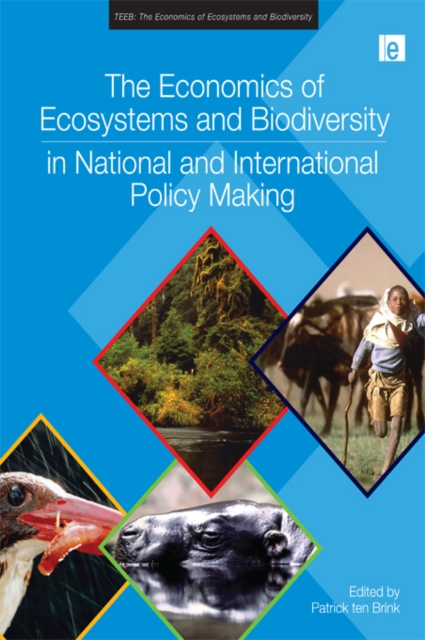
The Economics of Ecosystems and Biodiversity (TEEB) study is a major international initiative drawing attention to local, national and global economic benefits of biodiversity, to highlight the growing costs of biodiversity loss and ecosystem degradation, the benefits of investing in natural capital, and to draw together expertise from the fields of science, economics and policy to enable practical actions.
The Economics of Ecosystems and Biodiversity (TEEB) study is a major international initiative drawing attention to local, national and global economic benefits of biodiversity, to highlight the growing costs of biodiversity loss and ecosystem degradation, the benefits of investing in natural capital, and to draw together expertise from the fields of science, economics and policy to enable practical actions.
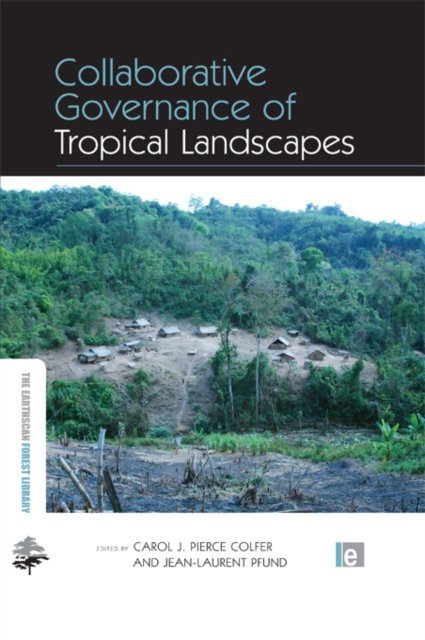
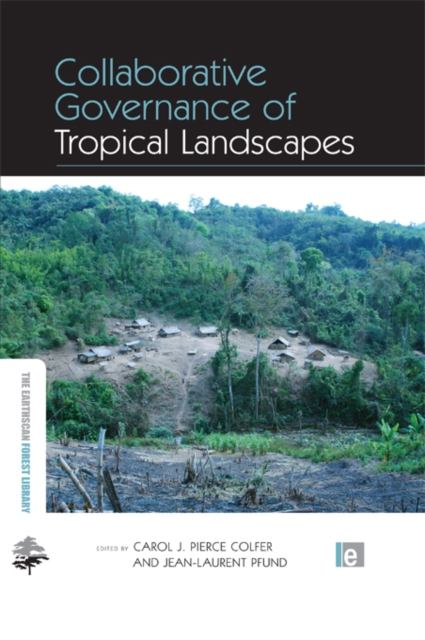
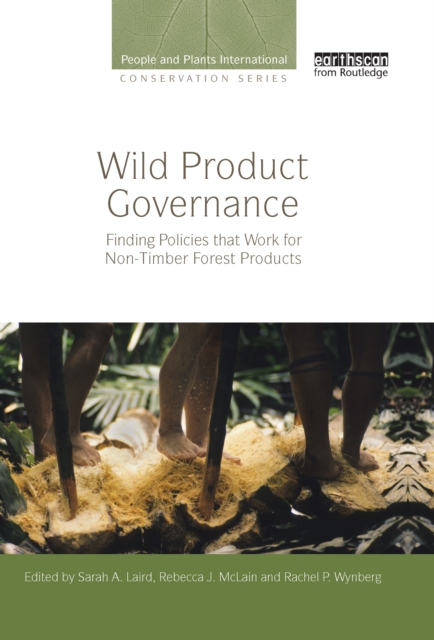
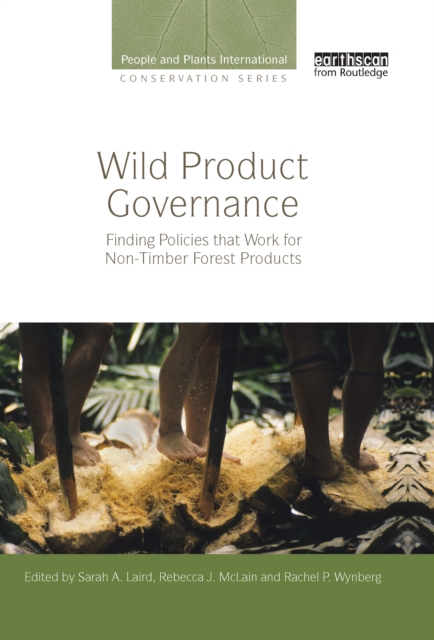
This book provides a novel approach to governance relating to biodiversity and human well-being in complex tropical landscapes, including forests and protected areas.
This book provides a novel approach to governance relating to biodiversity and human well-being in complex tropical landscapes, including forests and protected areas.
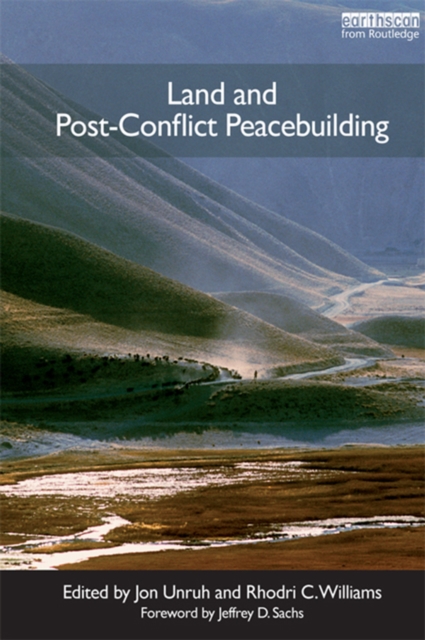
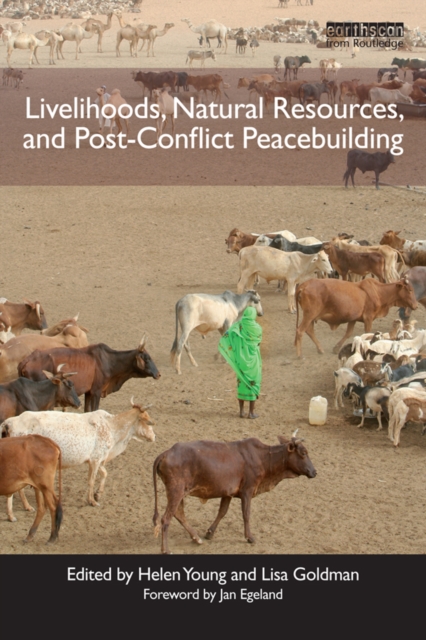
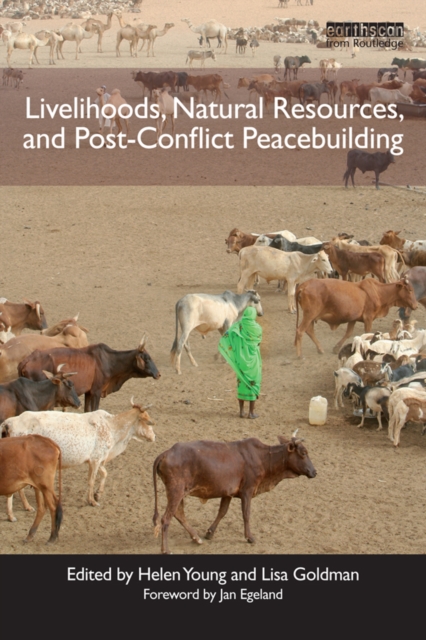
Claims to land and territory are often a cause of conflict, and land issues present some of the most contentious problems for post-conflict peacebuilding.
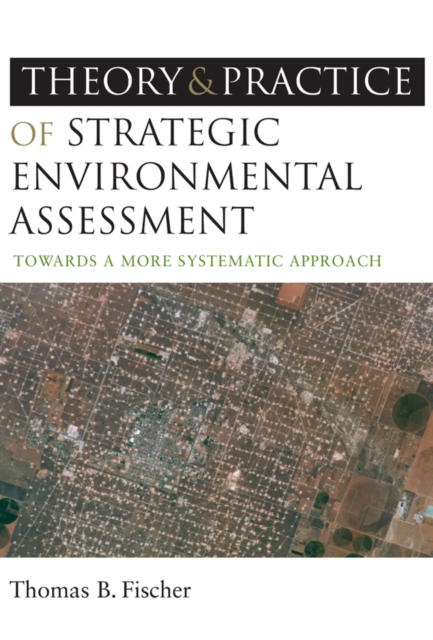
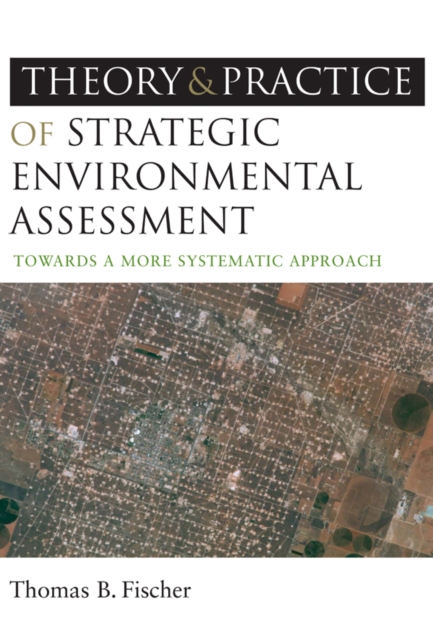
,Anyone serious about integrating environmental factors into planning and policy making will gain new insights and ideas from Fischer,s book on SEA; and students, teachers and practitioners of the subject will find the book essential.
,Anyone serious about integrating environmental factors into planning and policy making will gain new insights and ideas from Fischer,s book on SEA; and students, teachers and practitioners of the subject will find the book essential.
,This volume develops the rich conceptual and empirical content of public-private relationships, increasingly acknowledged as the dominant realm of natural resource governance.
,This volume develops the rich conceptual and empirical content of public-private relationships, increasingly acknowledged as the dominant realm of natural resource governance.
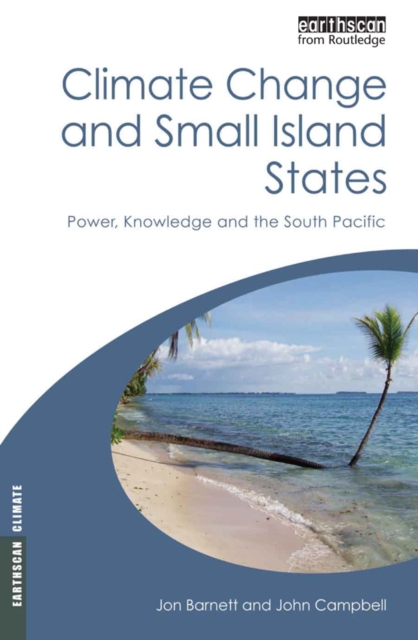
Small Island Developing States are often depicted as being among the most vulnerable of all places to the effects of climate change, and they are a cause celebre of many involved in climate science, politics and the media.
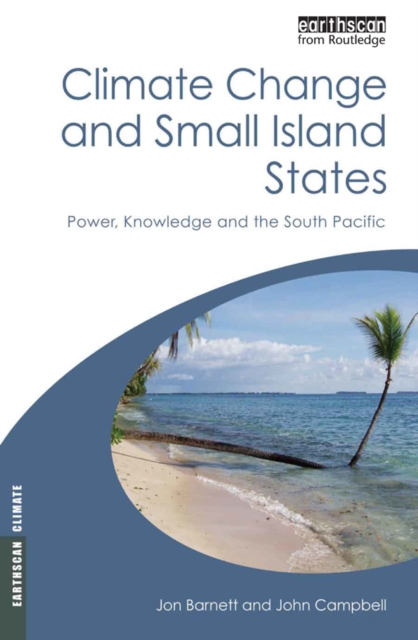
Small Island Developing States are often depicted as being among the most vulnerable of all places to the effects of climate change, and they are a cause celebre of many involved in climate science, politics and the media.
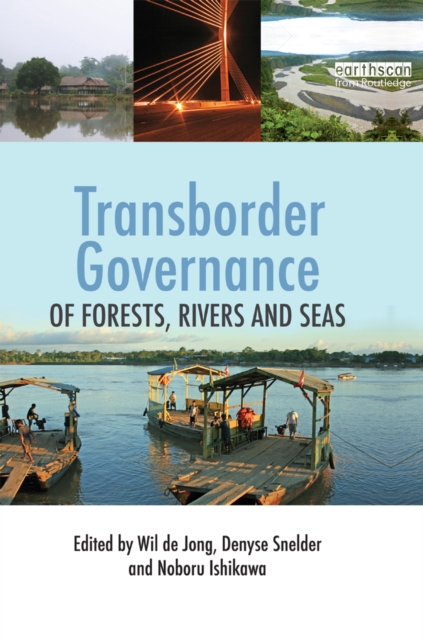
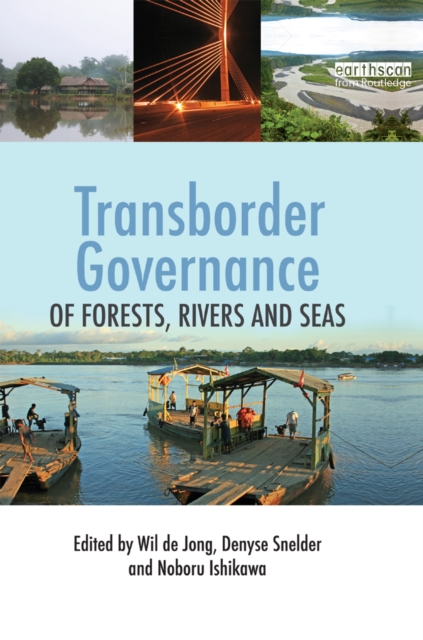
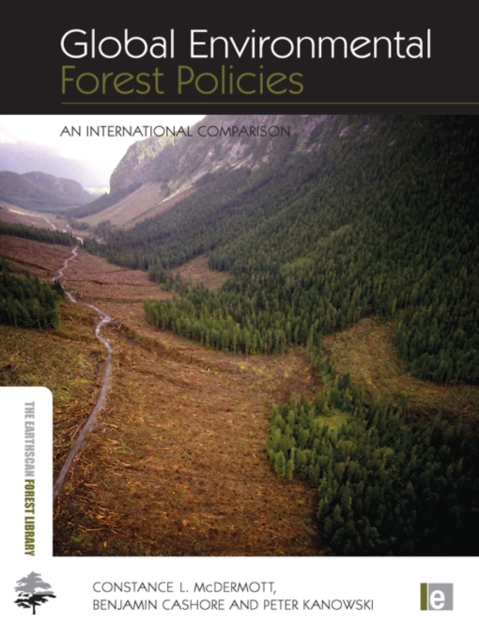
Market globalization and the globalization of environmental concerns have spurred demand for greater international accountability for forest stewardship.
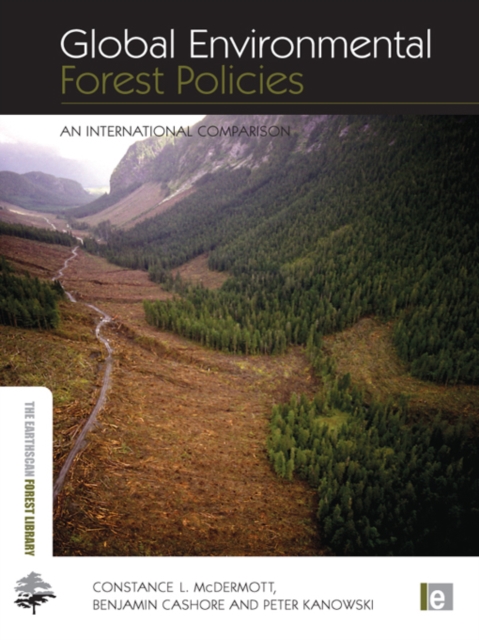
Market globalization and the globalization of environmental concerns have spurred demand for greater international accountability for forest stewardship.
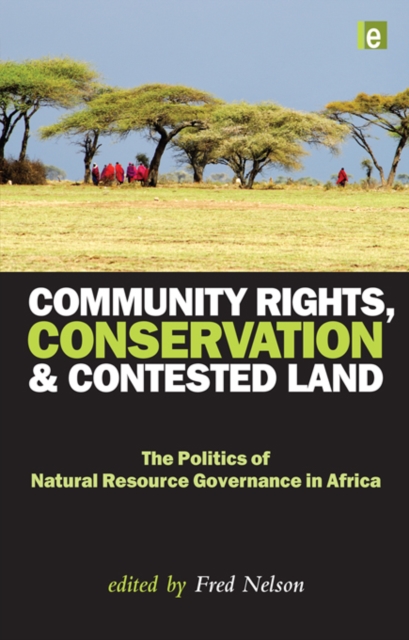
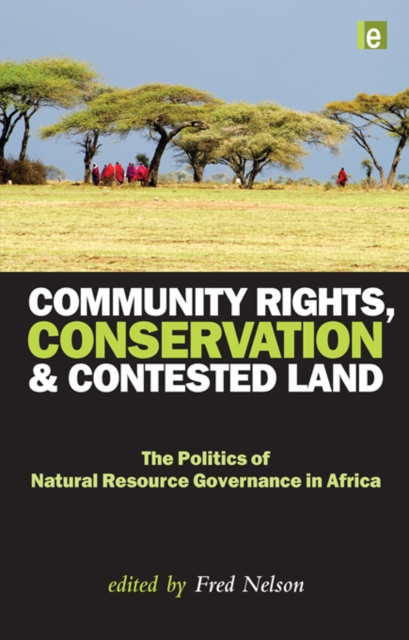
Natural resource governance is central to the outcomes of biodiversity conservation efforts and to patterns of economic development, particularly in resource-dependent rural communities.
Natural resource governance is central to the outcomes of biodiversity conservation efforts and to patterns of economic development, particularly in resource-dependent rural communities.
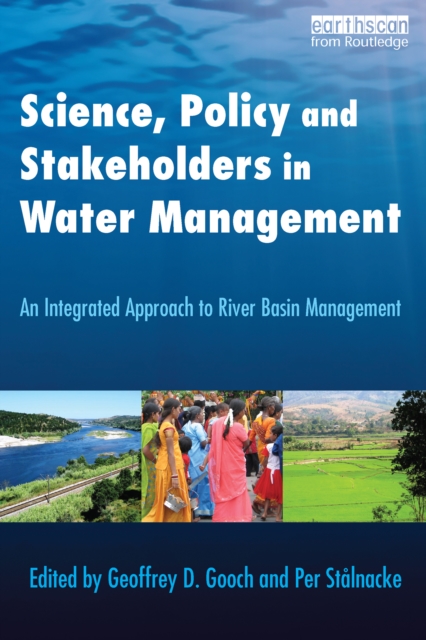
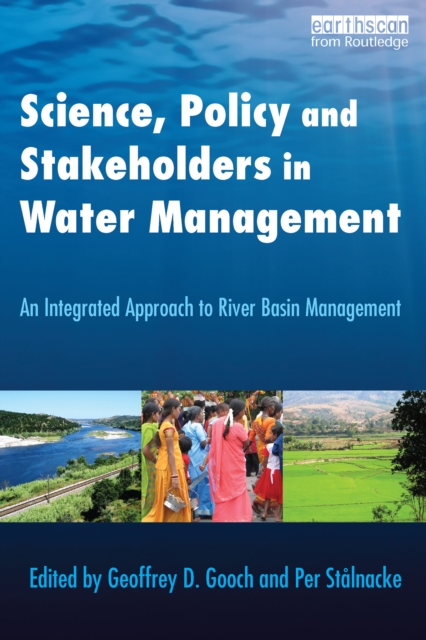
One of the major problems facing practitioners and scientists working with water management is how to integrate knowledge and experiences from scientific, policy and stakeholder perspectives.
One of the major problems facing practitioners and scientists working with water management is how to integrate knowledge and experiences from scientific, policy and stakeholder perspectives.
This authoritative handbook surveys the full breadth and depth of SEA, bringing together a range of international perspectives and insights on the theoretical, methodological and institutional dimensions and practical issues of the field.
This authoritative handbook surveys the full breadth and depth of SEA, bringing together a range of international perspectives and insights on the theoretical, methodological and institutional dimensions and practical issues of the field.
A presentation of detailed comparative research into the implementation in 11 European countries of Local Agenda 21 - the action plan for sustainable development at community level.
A presentation of detailed comparative research into the implementation in 11 European countries of Local Agenda 21 - the action plan for sustainable development at community level.
Our knowledge of the oceans is increasing rapidly, as more powerful tools for exploration and exploitation make it easier to locate valuable resources, such as fish stocks, oil and gas reserves, or sites for wind and hydropower schemes.
Our knowledge of the oceans is increasing rapidly, as more powerful tools for exploration and exploitation make it easier to locate valuable resources, such as fish stocks, oil and gas reserves, or sites for wind and hydropower schemes.
Environmental conflict resolution (ECR) is a process of negotiation that allows stakeholders in a dispute to reach a mutually satisfactory agreement on their own terms.