Environmental conflict resolution (ECR) is a process of negotiation that allows stakeholders in a dispute to reach a mutually satisfactory agreement on their own terms.
In 1979, provoked by the Three Mile Island nuclear accident, governors of states hosting disposal facilities for low-level radioactive waste (LLRW) refused to accept additional shipments.
In 1979, provoked by the Three Mile Island nuclear accident, governors of states hosting disposal facilities for low-level radioactive waste (LLRW) refused to accept additional shipments.
Privatizing public resources by creating stronger property rights, including so-called rights to pollute, is an increasingly popular environmental policy option.
Privatizing public resources by creating stronger property rights, including so-called rights to pollute, is an increasingly popular environmental policy option.
Environmental Management Systems (EMSs) offer an approach to regulatory policy that lies somewhere between free-market and traditional command-and-control methods.
Environmental Management Systems (EMSs) offer an approach to regulatory policy that lies somewhere between free-market and traditional command-and-control methods.
The two distinct approaches to environmental policy include direct regulation-sometimes called 'command and control' policies-and regulation by economic, or market-based incentives.
The two distinct approaches to environmental policy include direct regulation-sometimes called 'command and control' policies-and regulation by economic, or market-based incentives.
The first edition of Public Policies for Environmental Protection contributed significantly to the incorporation of economic analysis in the study of environmental policy.
The first edition of Public Policies for Environmental Protection contributed significantly to the incorporation of economic analysis in the study of environmental policy.
In this volume, a group of distinguished international scholars provides a fresh investigation of the most fundamental issues involved in our dependence on natural resources.
In this volume, a group of distinguished international scholars provides a fresh investigation of the most fundamental issues involved in our dependence on natural resources.
Nanotechnology promises to transform the materials of everyday life, leading to smaller and more powerful computers, more durable plastics and fabrics, cheap and effective water purification systems, more efficient solar panels and storage batteries, and medical devices capable of tracking down and killing cancer cells or treating neurological diseases.
Nanotechnology promises to transform the materials of everyday life, leading to smaller and more powerful computers, more durable plastics and fabrics, cheap and effective water purification systems, more efficient solar panels and storage batteries, and medical devices capable of tracking down and killing cancer cells or treating neurological diseases.
This book examines the Japanese government policies that impact on the environment in order to determine whether they incorporate a sufficient ethical substance.
This book examines the Japanese government policies that impact on the environment in order to determine whether they incorporate a sufficient ethical substance.
In this book, the authors examine the governance of marine protected areas (MPA), and in particular they compare two different forms of governance - co-management (CM) and adaptive co-management (ACM).
In this book, the authors examine the governance of marine protected areas (MPA), and in particular they compare two different forms of governance - co-management (CM) and adaptive co-management (ACM).
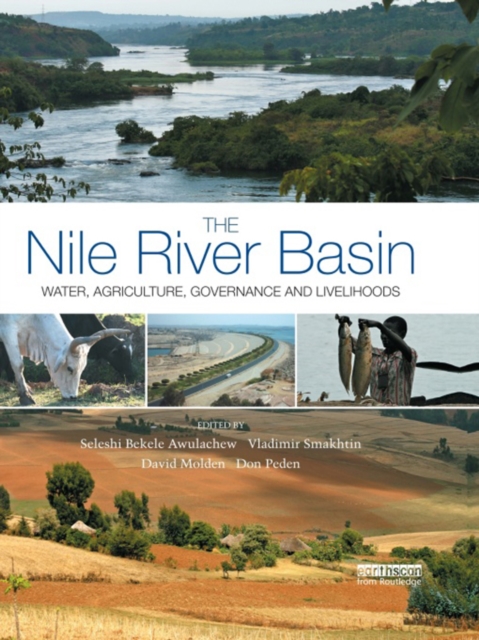
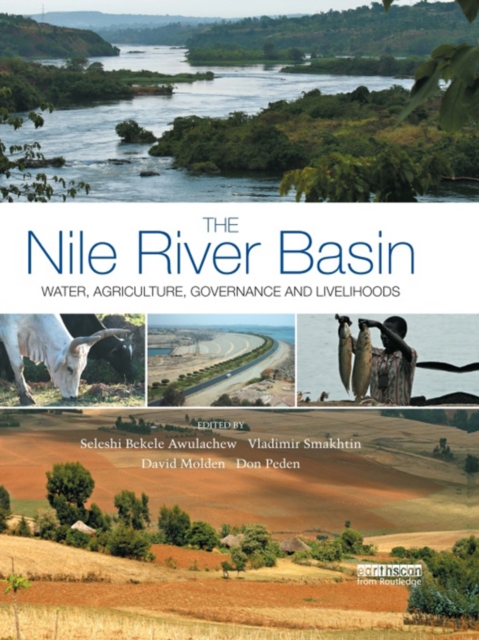
The Nile provides freshwater not only for domestic and industrial use, but also for irrigated agriculture, hydropower dams and the vast fisheries resource of the lakes of Central Africa.
The Nile provides freshwater not only for domestic and industrial use, but also for irrigated agriculture, hydropower dams and the vast fisheries resource of the lakes of Central Africa.
Climate change is the single most important global environmental and development issue facing the world today and has emerged as a major topic in tourism studies.