Life cycle design is a proactive approach for integrating pollution prevention and resource conservation strategies into the development of more ecologically and economically sustainable product systems.
Part I is a supplement to the EMSL-Cincinnati publication "e;Methods for the Determination of Metals in Environmental Samples"e; and was prepared to revise and place in the Environmental Monitoring Management Council (EMMC) format certain spectrochemical methods used for metals.
In using risk-informed approaches for ensuring safety of operating nuclear power plants (NPPs), risk importance measures obtained from probabilistic risk assessments (PRAs) of the plants are integral elements of consideration in many cases.
As the world struggles to meet the growing international demands for electricity, green energy, and alternatives to fossil fuels, the nuclear power sector is experiencing global growth.
Most of what is written on nuclear weapons concentrates, understandably, on the here and now: the nuclear threat is a central and continuing fact of modern history .
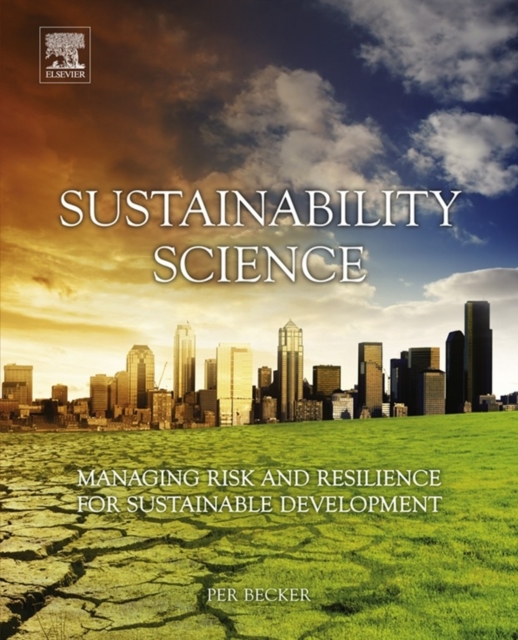
A new, holistic transdisciplinary endeavour born in the 21st century, Sustainability Science: Managing Risk and Resilience for Sustainable Development aims to provide conceptual and practical approaches to sustainable development that help us to grasp and address uncertainty, complexity, ambiguity and dynamic change.
A timely and thought-provoking solution to the world's energy shortfall The dramatic increases in oil and natural gas prices, the finite supply of fossil fuels, and concerns over emissions and global warming are forcing us to consider alternatives.
Environment and Development: Basic Principles, Human Activities, and Environmental Implications focuses on the adverse impact that human activities, developments, and economic growth have on both natural and inhabited environments.
A new, holistic transdisciplinary endeavour born in the 21st century, Sustainability Science: Managing Risk and Resilience for Sustainable Development aims to provide conceptual and practical approaches to sustainable development that help us to grasp and address uncertainty, complexity, ambiguity and dynamic change.
Critical in solving the nuclear waste problem are such issues as the techniques needed to equitably select waste repository sites; the implications for economies, populations, public services, social structures, and future generations in siting areas; the best means for mitigating short- and long-term public and private impact of repositories; and the type of citizen involvement that best ensures the full participation of national, state, and local interest groups in the siting process.
In 1986, the Three Mile Island Public Health Fund commissioned a national team of researchers to prepare an alternative emergency plan for the region around the Three Mile Island nuclear power plant.
Critical in solving the nuclear waste problem are such issues as the techniques needed to equitably select waste repository sites; the implications for economies, populations, public services, social structures, and future generations in siting areas; the best means for mitigating short- and long-term public and private impact of repositories; and the type of citizen involvement that best ensures the full participation of national, state, and local interest groups in the siting process.
In 1986, the Three Mile Island Public Health Fund commissioned a national team of researchers to prepare an alternative emergency plan for the region around the Three Mile Island nuclear power plant.
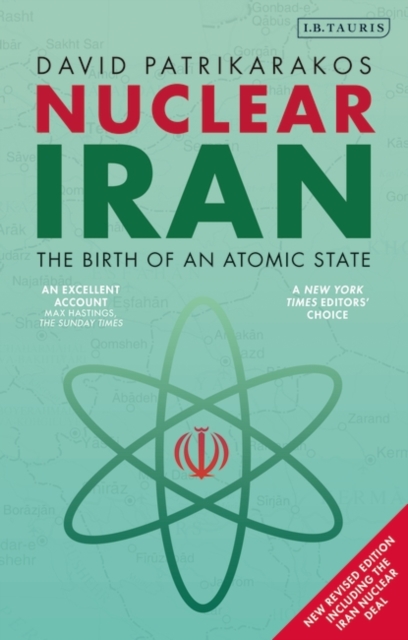
The Iranian nuclear crisis has dominated world politics since the beginning of the century, with the country now facing increasing diplomatic isolation, talk of military strikes against its nuclear facilities and a disastrous Middle East war.
The Iranian nuclear crisis has dominated world politics since the beginning of the century, with the country now facing increasing diplomatic isolation, talk of military strikes against its nuclear facilities and a disastrous Middle East war.
The Iranian nuclear crisis has dominated world politics since the beginning of the century, with the country now facing increasing diplomatic isolation, talk of military strikes against its nuclear facilities and a disastrous Middle East war.
A Times History Book of the Year 2022From the #1 bestselling historian Max Hastings 'the heart-stopping story of the missile crisis' Daily TelegraphThe 1962 Cuban Missile Crisis was the most perilous event in history, when mankind faced a looming nuclear collision between the United States and Soviet Union.
With an increase of global security concerns over potential terrorist acts, the threat of WMDs, and increasing political issues with nations seeking nuclear capability, the need to track, detect, and safeguard nuclear material globally has never been greater.
Winner of the Baillie Gifford Prize 2018'An insightful and important book, that often reads like a good thriller, and that exposes the danger of mixing powerful technology with irresponsible politics' - Yuval Noah Harari, author of Sapiens'As moving as it is painstakingly researched.
Nuclear power has been a contentious issue in Japan since the 1950s, and in the aftermath of the Fukushima nuclear power plant disaster, the conflict has only grown.
This timely book provides authoritative, comprehensive, and easy-to-follow coverage of the fundamental concepts and practical techniques on the use of process integration to maximize the efficiency and sustainability of industrial processes.
This new report from the National Research Council's Nuclear and Radiation Studies Board (NRSB) and the Transportation Research Board reviews the risks and technical and societal concerns for the transport of spent nuclear fuel and high-level radioactive waste in the United States.
This book reevaluates the health risks of ionizing radiation in light of data that have become available since the 1980 report on this subject was published.
This book discusses the technical alternatives for cleanup of radioactive fluoride salts that were the fuel for the Molten Salt Reactor Experiment, a novel nuclear reactor design that was tested in the 1960s at the Oak Ridge National Laboratory in Tennessee.
The United States currently has no place to dispose of the high-level radioactive waste resulting from the production of the nuclear weapons and the operation of nuclear electronic power plants.
The US Environmental Protection Agency Office of Radiation and Indoor Air asked the National Research Council to evaluate whether sufficient new data exist to warrant a reassessment of health risks reported in Health Effects of Exposure to Low Levels of Ionizing Radiations (BEIR V) in 1990.
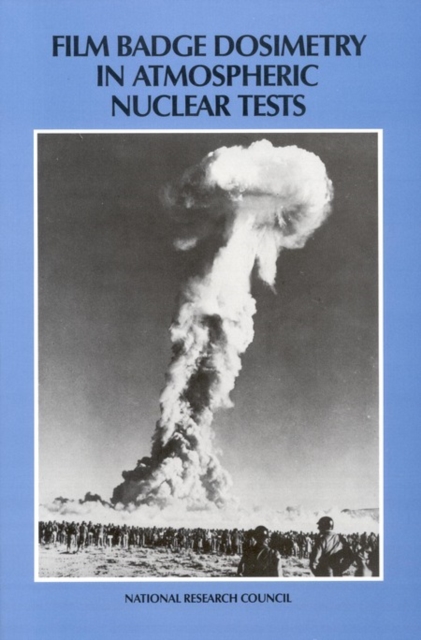
Growing public concern about releases of radiation into the environment has focused attention on the measurement of exposure of people living near nuclear weapons production facilities or in areas affected by accidental releases of radiation.
Studies of underground miners have provided a wealth of data about the risk of lung cancer from exposure to radon's progeny elements, but the application of the miner data to the home environment is not straightforward.
As part of a long-standing collaboration on nuclear nonproliferation, the National Academy of Sciences and the Russian Academy of Sciences held a joint workshop in Moscow in 2003 on the scientific aspects of an international radioactive disposal site in Russia.
End Points for spent Nuclear Fuel and High-Level Radioactive Waste in Russian and the United States provides an analysis of the management of spent nuclear fuel and high-level radioactive waste in Russia and the United States, describing inventories, comparing approaches, and assessing the end-point options for storage and disposal of materials and wastes.
Compared to other large engineering projects, geologic repositories for high-level waste present distinctive challenges because: 1) they are first-of-a-kind, complex, and long-term projects that must actively manage hazardous materials for many decades: 2) they are expected to hold these hazardous materials passively safe for many millennia after repository closure; and 3) they are widely perceived to pose serious risks.