The water policy issues are well- documented in a large set of reports and studies, completed over time showing that the policy prescription and its implementation has been weak in the past as this book reveals.
This book seeks to model the possible emission trajectories and identify the feasible mitigation schemes for China to meet its climate commitments to peak emissions before 2030 and net zero emissions before 2060.
This book seeks to model the possible emission trajectories and identify the feasible mitigation schemes for China to meet its climate commitments to peak emissions before 2030 and net zero emissions before 2060.
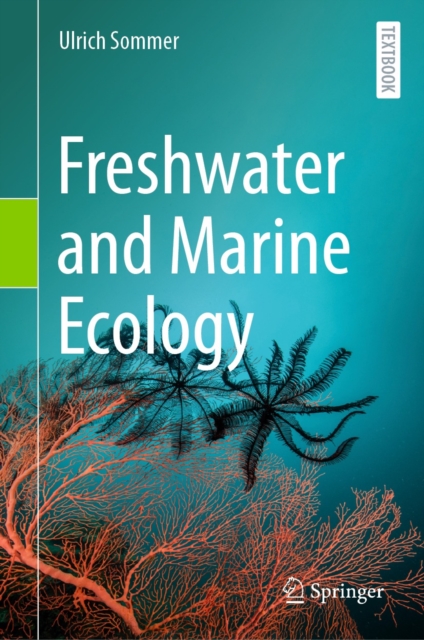
Freshwater and Marine Ecology is an introduction to the field of aquatic ecology, integrating the conceptually and methodologically widely overlapping fields of limnology and biological oceanography.
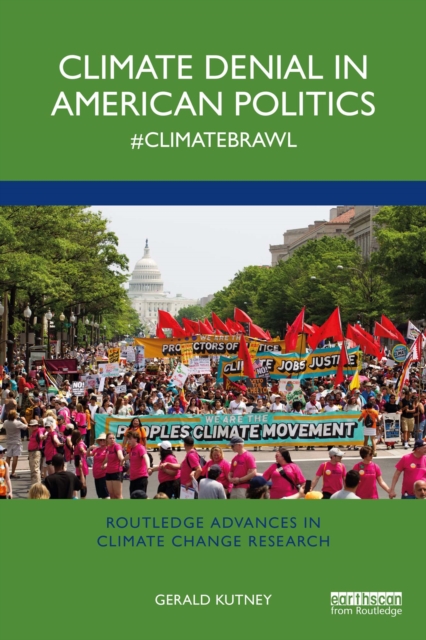
Climate Denial in American Politics is a detailed examination of the rise within American politics of climate denialism, the counter movement which challenges the accepted science of climate change.
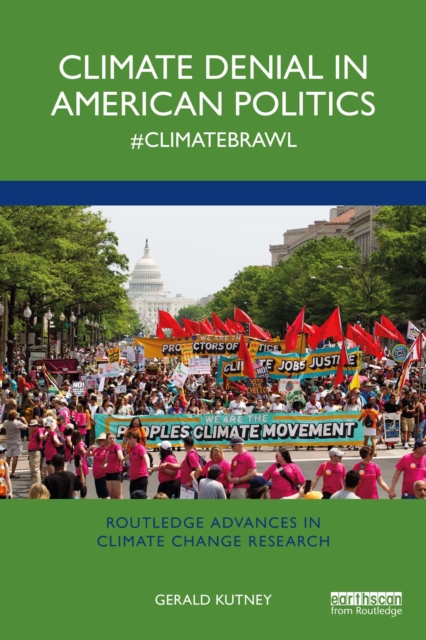
Climate Denial in American Politics is a detailed examination of the rise within American politics of climate denialism, the counter movement which challenges the accepted science of climate change.
Analyzing the role companies can play in tackling climate change, this book shows how they can set up effective environmental, social, and governance (ESG) frameworks and draft resilient strategies for sustainable activities and investment.
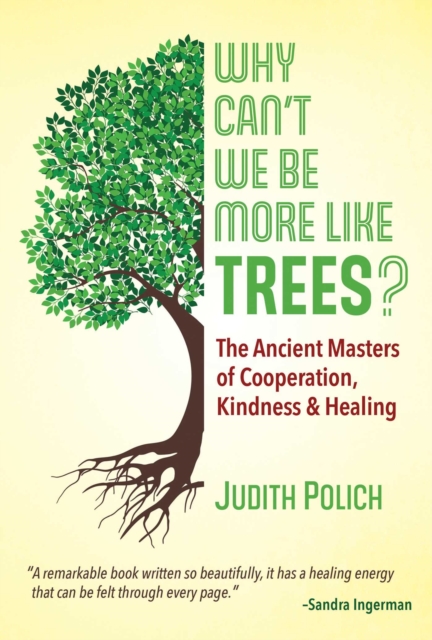
Reveals how we can learn from the intelligent communities of trees and plants Shares breakthrough research on how tree and plant communities function, revealing a holistic, interconnected, communal, and sentient new world Examines the attributes we share with trees and plants and how the behaviors of altruism, cooperation, and community are genetically coded in our beings Looks at how to learn to see, think, imagine, and live with holistic eco-centric awareness and the benefits that come from working with our plant allies Breakthrough research is not only revealing a brilliant green world with amazing attributes like dispersed intelligence but also that humanity, like the tree and plant kingdom, thrives on innate cooperation, sharing, altruism, and community.
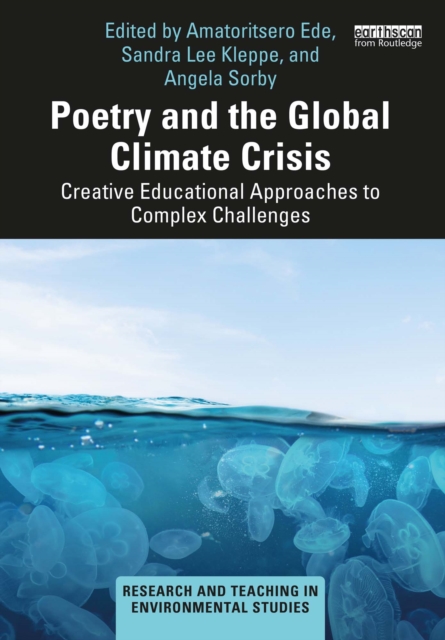
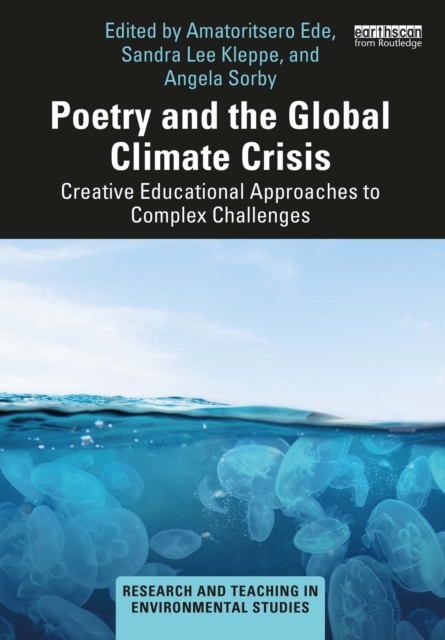
This book demonstrates how humans can become sensitized to, and intervene in, environmental degradation by writing, reading, analyzing, and teaching poetry.
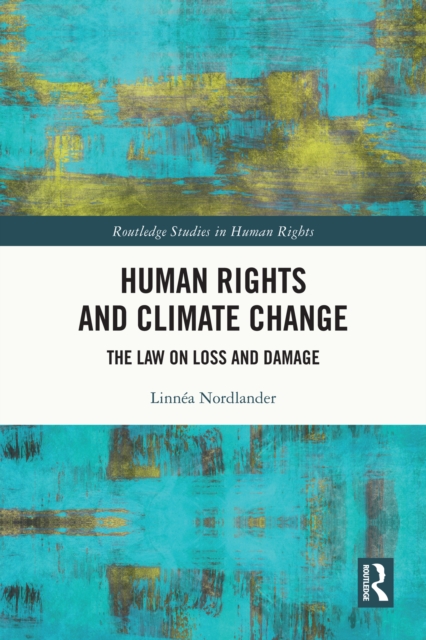
The relationship between human rights and the environment, as evidenced by the 2022 UN Resolution on the human right to a healthy environment, is a topical, fascinating, uneasy, and increasingly urgent one.
This book demonstrates how humans can become sensitized to, and intervene in, environmental degradation by writing, reading, analyzing, and teaching poetry.
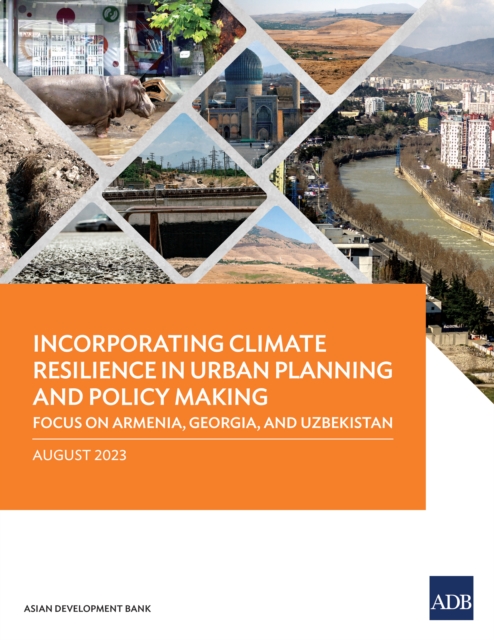
Providing high-level climate risk assessments for cities in Armenia, Georgia, and Uzbekistan, this report is designed to mainstream mitigation and adaptation into urban planning to help ensure climate resilient growth.
Leadership for the Great Transition-a changemaker's toolkit for cultivating personal and community resilienceThe Regeneration Handbook offers an abundance of insights, stories, tools, practices, and resources for experienced and aspiring changemakers to step into their full power at this time of unprecedented global crisis.
This book is a guide to one hundred plays addressing the most urgent and important issue of our time: the climate crisis100 Plays to Save the Worldis a book to provoke as well as inspireto start conversations, inform debate, challenge our thinking, and be a launchpad for future productions.
Biological invasions - the introduction, establishment and spread of invasive alien species - are complex global phenomena that can cause significant environmental, ecological, and economic harm.
There has been a burgeoning interest in energy security in recent years due to the transformation of the energy landscape through deepening market deregulation, rising environmental challenges, growing energy hunger, and significant political changes.
The importance of cultural heritage - in both its tangible and intangible forms - to sustainable development and its economic, social and environmental components is increasingly evident in the recent practice of intergovernmental and non-governmental organizations at the universal and regional level.
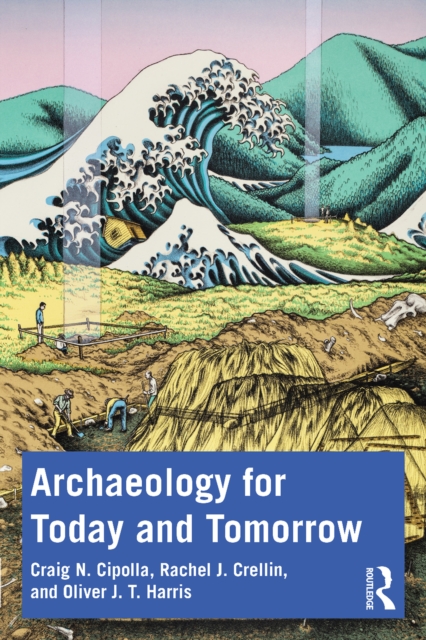
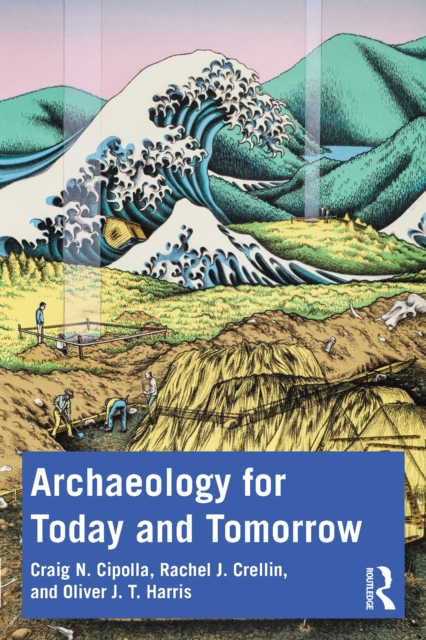
Archaeology for Today and Tomorrow explores how cutting-edge archaeological theories have implications not only for how we study the past but also how we think about and prepare for the future.
There has been a burgeoning interest in energy security in recent years due to the transformation of the energy landscape through deepening market deregulation, rising environmental challenges, growing energy hunger, and significant political changes.
Biological invasions - the introduction, establishment and spread of invasive alien species - are complex global phenomena that can cause significant environmental, ecological, and economic harm.
Archaeology for Today and Tomorrow explores how cutting-edge archaeological theories have implications not only for how we study the past but also how we think about and prepare for the future.
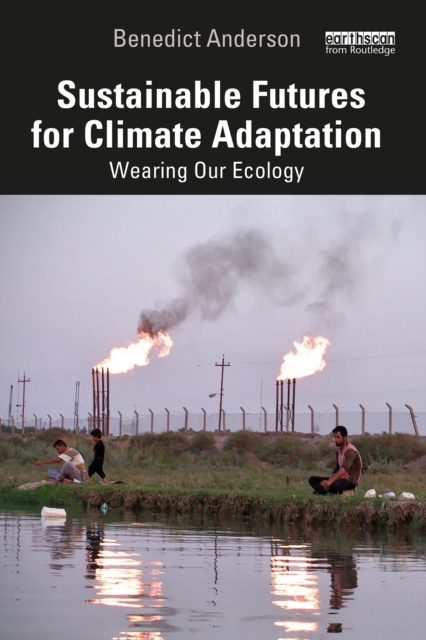
Considering sustainability as a flawed and restrictive term in practice, Sustainable Futures for Climate Adaptation argues that we must radically adapt humanity and reform society, cities, buildings, and our approach to migration in order to coexist in harmony with our natural environments.
This insightful and timely book examines the intersection of international climate change law and international human rights law with respect to loss and damage from climate change.
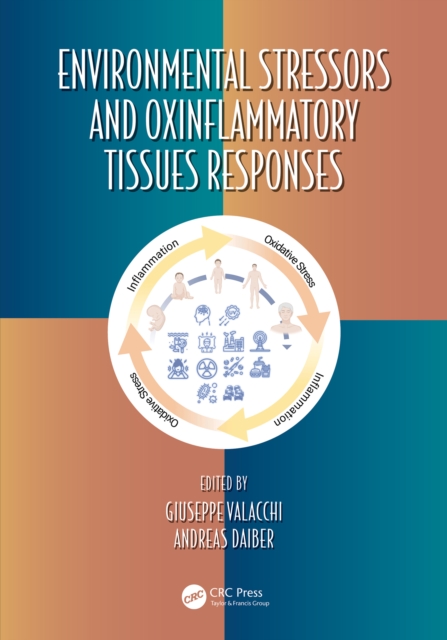
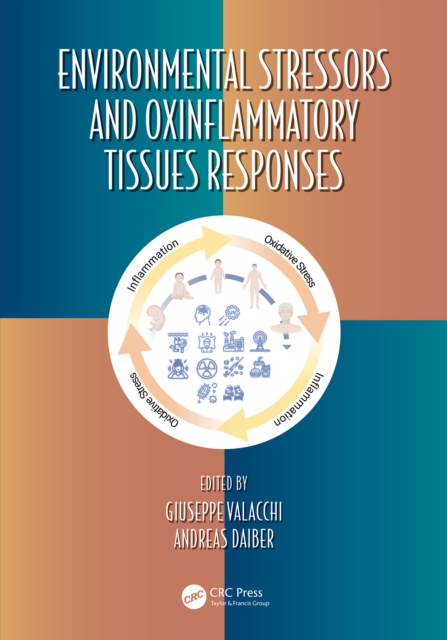
Environmental risk factors - noise, air pollution, chemical agents, and ultraviolet radiation - impact human health by contributing to the onset and progression of noncommunicable diseases.
As humans expand the frequency and scale of interactions off-planet, Space Criminology ponders the nature of crime, harm and transgression in outer space and possible responses to these.
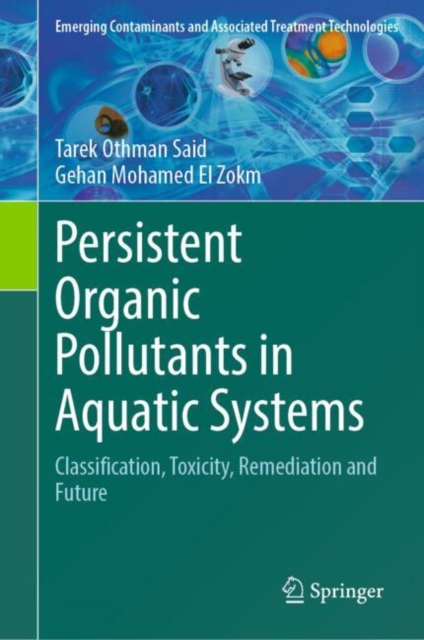
The book reports the results on the fate of POPs in the abiotic and biotic components of the aquatic environment North Pacific Ocean (include Russian part of North Pacific), possible health risks for coastal residents Pacific Ocean exposed to these hazardous pollutants are systematized.
This volume provides state-of-the-art knowledge on xenobiotics in urban ecosystems, addressing a wide range of related issues, such as xenobiotic types and chemical composition, environmental fate, remedial approaches, regulatory policies and socioeconomic impacts.
Environmental risk factors - noise, air pollution, chemical agents, and ultraviolet radiation - impact human health by contributing to the onset and progression of noncommunicable diseases.
'The perfect accompaniment to a year of forest walks'Gardens Illustrated 'Books of the Year'A seductive mix of science, history and culture'Tracy Chevalier'I love this book'Lauren Laverne, as featured on BBC Radio 6 MusicA wondrous seasonal journey through Britain and Ireland's trees.
The importance of cultural heritage - in both its tangible and intangible forms - to sustainable development and its economic, social and environmental components is increasingly evident in the recent practice of intergovernmental and non-governmental organizations at the universal and regional level.
This insightful and timely book examines the intersection of international climate change law and international human rights law with respect to loss and damage from climate change.
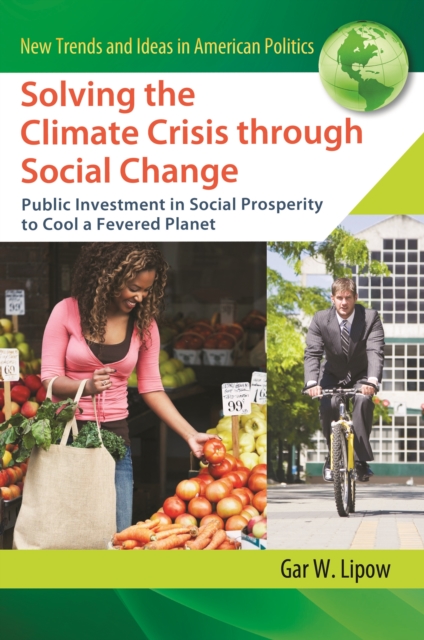
This book presents an accessible and easy-to-follow argument that the climate crisis is a side effect of inequality and injustice, and demonstrates how strategies such as large-scale social investment will prove far more effective in reducing greenhouse gas pollution than cap-and-trade or other forms of free-market environmentalism.
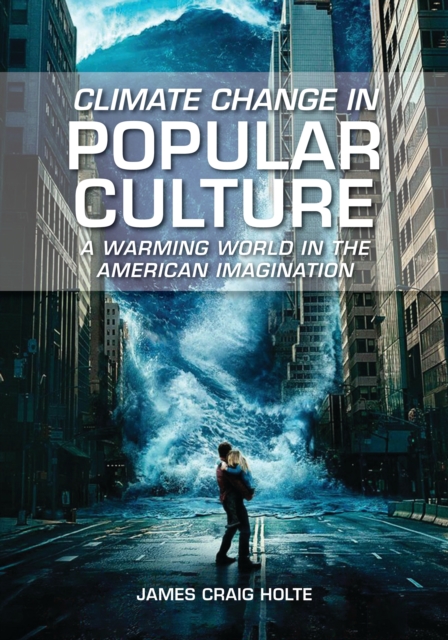
An invaluable resource for general readers investigating climate change, this book examines the impact of climate change on popular culture and analyzes how writers and directors treat the disasters caused by climate change in their novels and films.
This book addressed an in-depth comprehension of the classifications and characterizations of POPs, which have become global issues due to bioaccumulation, persistency, and toxicity.
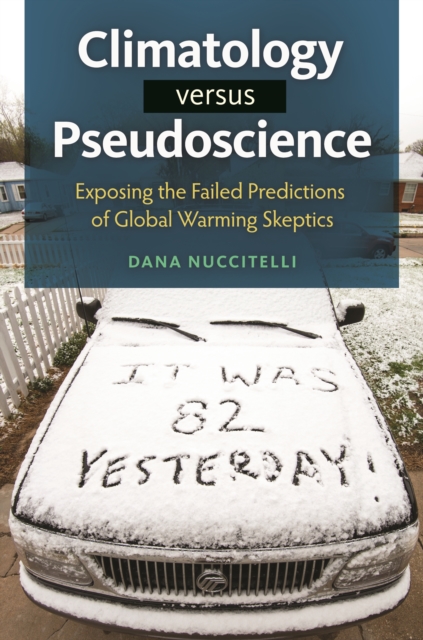
This book explains the science of climate change in plain language and shows that the 2 to 4 percent of climate scientists who are skeptical that humans are the main cause of global warming are a fringe minority-and have a well-established history of being wrong.