This book examines ways of conserving, managing, and interacting with plant and animal resources by Native American cultural groups of the Pacific Coast of North America, from Alaska to California.
Heat Exposure and Human Health in the Context of Climate Change introduces the effects of heat on human health, especially in the context of climate change.
Class insecta is numerically the largest class of the largest phylum outnumbering the total number of all the other known species of the rest of the animal kingdom.
The monograph is based on the research and training activities in the Western Pacific Ocean Region within the umbrella of UNESCO/IOC-Sub-Commission for the Western Pacific Region.
This volume incorporates theoretical and practical knowledge through case studies and reviews to serve as a baseline of information for coastal ecosystem research, and discusses the impacts of pollution, industrialisation, agriculture and climate change on coastal ecosystem biogeochemistry and biodiversity.
This volume discusses the growing issue of global environmental microplastic pollution resulting from the industrial manufacturing of everyday products.
This book examines prospective climate adaptive building materials in desert and drylands in the context of climate change, desertification, urbanisation demands, and the consequent sustainable urban development challenges.
This book provides a cross-disciplinary, multi-scale assessment of the development of adsorption-based refrigerants and super-adsorbent-based wastewater purification.
This contributed volume gives a state-of-the-art overview of microplastics and nanoplastics (MPs and NPs) in soils and their relationship with growing plants.
This volume offers the latest theory, procedures, techniques and applications pertaining to the bioremediation of pesticides, as well as current case studies.
The book brings out several unique perspectives of impacts of COVID-19 on the environment with special emphasis on the risk and remediation of emerging contaminants.
This book presents information on the origin and distribution of microplastics, evaluates the methods of their detection, documents their interactions with natural systems, and analyzes the current understanding of their management.
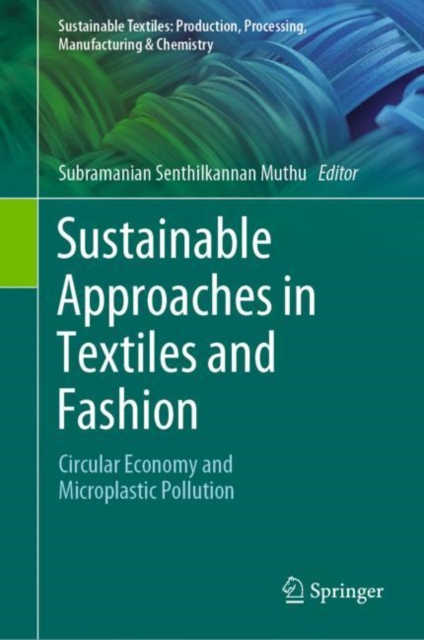
This first of this set of books presents the various sustainable approaches in terms of circular economy and micro plastic pollution pertaining to the textiles and fashion supply chain.
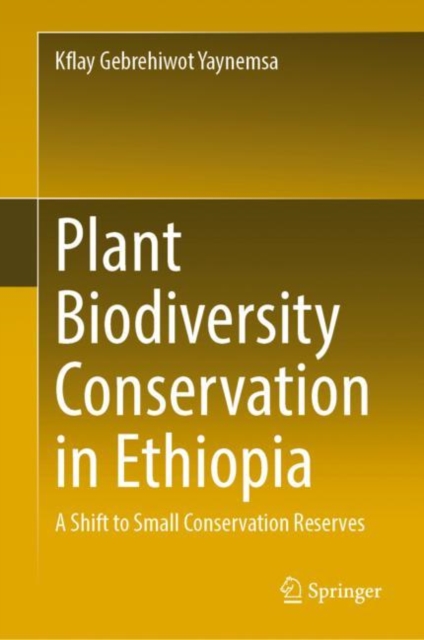
This book covers biodiversity conservation under special consideration of the challenges in the global south with particular attention being paid to consider the existing conservation challenges in relation to the study area in Ethiopia.
This book highlights the approaches for achieving trans-disciplinary research integration for "e;semi-arid dryland agriculture systems"e; under changing climates, while also identifying the elements of a collaborative research agenda that are needed to advance global food security.
This book summarizes the recent research development concerning olive oil wastewater management: characterization, environmental impact, recovery and treatment.
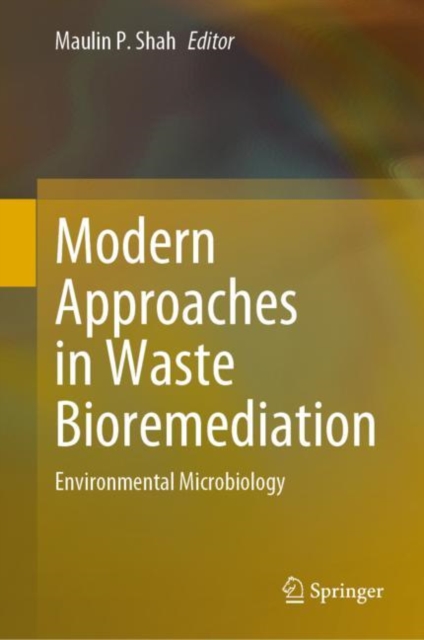
The book highlights the importance of newly developed bioremediation technologies in industrial waste treatment to clean up the environment from pollution caused by human activities.
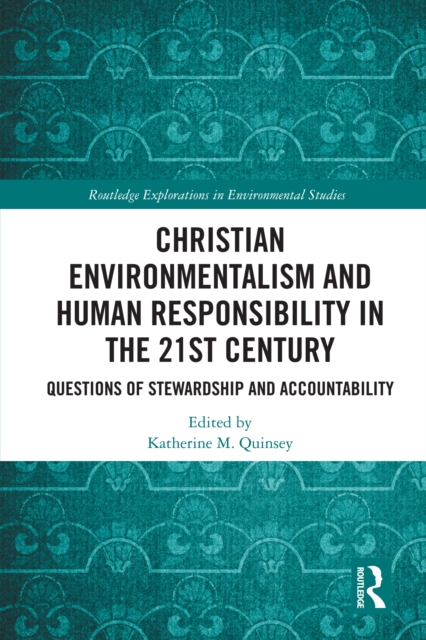
Christian Environmentalism and Human Responsibility in the 21st Century comprises original scholarly essays and creative works exploring the implications of Christian environmentalism through literary and cultural criticism and creative reflection.
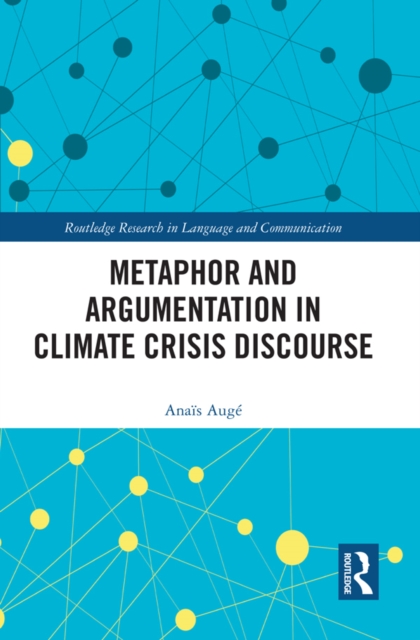
This volume sheds light on the argumentative role of metaphor in climate change discourse, unpacking the ways in which stakeholders use specific metaphors to influence perceptions of the climate crisis.
This volume sheds light on the argumentative role of metaphor in climate change discourse, unpacking the ways in which stakeholders use specific metaphors to influence perceptions of the climate crisis.