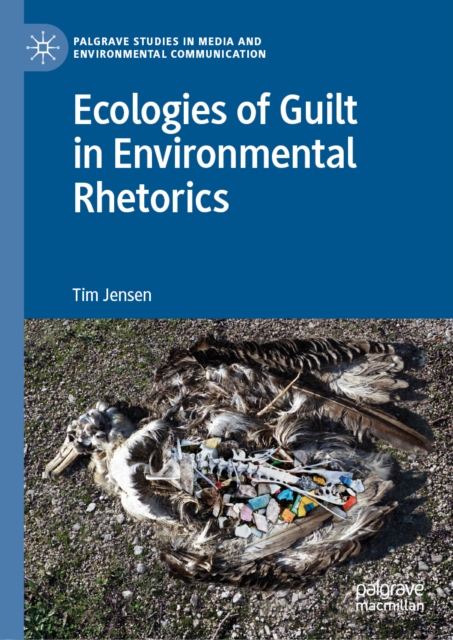
Environmental rhetorics have expanded awareness of mass extinction, climate change, and pervasive pollution, yet failed to generate collective action that adequately addresses such pressing matters.
This book explores the impact of population aging on energy use patterns in society from both a theoretical and an empirical angle, with a specific focus on Japan and Spain.
This book, based on authoritative sources and reports, links environmental communication to different fields of competence: environment, sustainability, journalism, mass media, architecture, design, art, green and circular economy, public administration, big event management and legal language.
Das vorliegende Kommunikationskonzept unterstützt Investoren, Betreiber und Institutionen bei der Öffentlichkeitsarbeit und Kommunikation für den Bereich Tiefe Geothermie und zeigt Wege auf, die Akzeptanz für das lokale Projekt zu fördern.
Das vorliegende Buch zeigt, welche ökonomischen, ökologischen und rechtlichen Vorteile für Unternehmen entstehen, wenn sie die sensible Bergwelt so schonend wie möglich nutzen.
This book addresses the increasingly important subject of ecomedia by critically examining the interconnections between environment, ecology, media forms, and popular culture in the Southeast Asian region, exploring methods such as textual analysis, thematic analysis, content analysis, participatory ethnography, auto ethnography, and semi-structured interviewing.
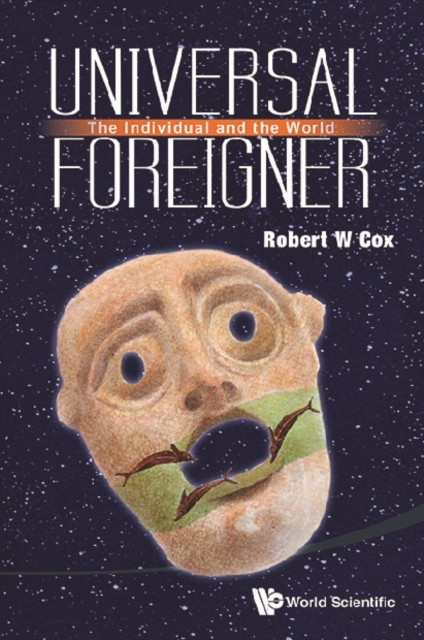
The book shows one individual's (the author) experience of the world, through contacts with government officials and scholars in the Middle East and Asia, Europe and Latin America during the post-Second World War years up to the later 1960s; and then that individual's reflections and study during the succeeding decades, up to and including the first decade of the 21st century, concerning the future of the world and the critical choices that confront the world both in inter-state relations and in maintaining the security of the biosphere.
This book translates the latest theoretical perspectives on the emerging field of Planetary Health Studies into the practical reality of global political decision makers.
This book describes the effect that hydrocarbon energy (oil, gas and coal) has had on human evolution, how we got to the stage we are at today, what we are doing about it and where it will lead us in the not-too-distant future.
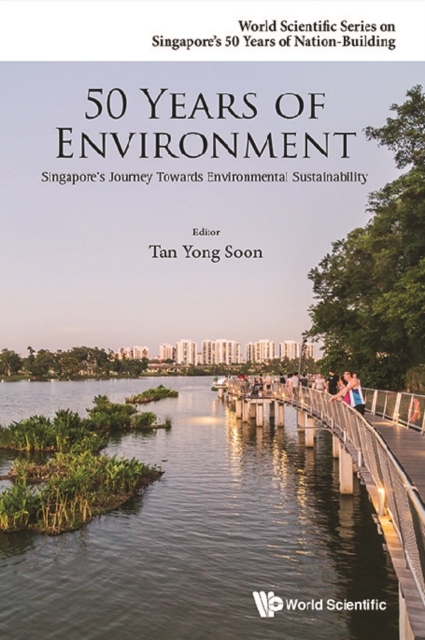
In conjunction with Singapore's 50th birthday in August 2015, 50 Years of Environment: Singapore's Journey Towards Environmental Sustainability takes the reader through Singapore's environmental journey over the past 50 years, to its present day challenges and solutions, and seeks to explore what lies ahead for Singapore's environmental future.
The Routledge Handbook of Latin America and the Environment provides an in-depth and accessible analysis and theorization of environmental issues in the region.
In ›Unter Strom‹ thematisiert Petra Krumme einen blinden Punkt vieler Debatten über den Energiewandel: die versteckten sozialen Fragen, die in den Diskussionen über die Errichtung von Windparks und neuen Stromtrassen untergehen.
Following a relational, Indigenous-led approach grounded in 25 years of collaborative work, this book looks to weather and climate, tracing the embodied, emplaced and affective ways weather co-constitutes people, place and time/s raising critical questions of ethics, politics and becoming.
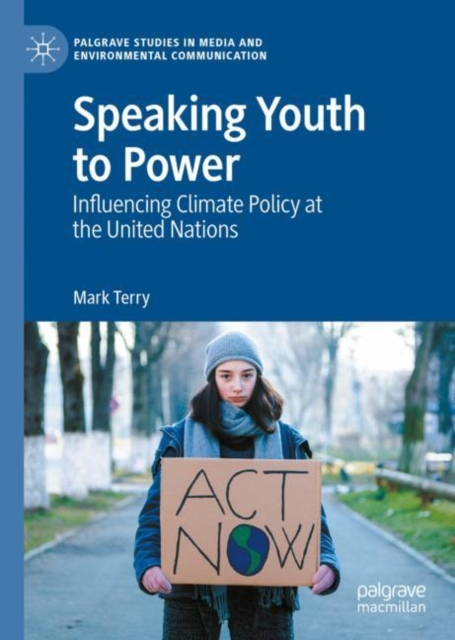
This book examines the methods and approaches currently being taken by the global community of youth in influencing environmental policymakers of the United Nations.
This volume offers an open, transdisciplinary living space (also green) through which to explore the different connections between Basilicata and Southern Italy, cinema, and ecology, and thus to reflect on the different forms through which the historical, cultural, and social contexts of Southern Italian regions have been variously identified and represented.
An engaging and at times sobering look at the coexistence of humans and animals in the 21st century and how their sometimes disparate needs affect environments, politics, economies, and culture worldwide.
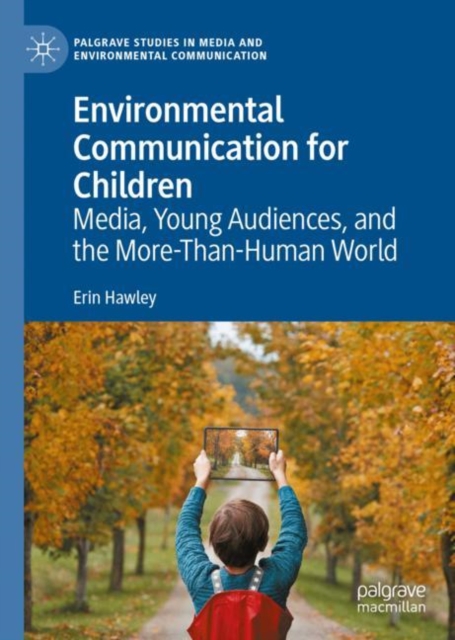
This book explores the nexus between children, media, and nature during a time of planetary crisis marked by climate change, biodiversity loss, and environmental degradation.
The validity of certain critical reasoning steps carried out during or on the sidelines of the environmental science, public health survey, medical experiment, population risk assessment, or disease space-time mapping under conditions of in situ uncertainty and space-time heterogeneity, is often not given sufficient attention and may even be out of the investigator's line of thought.
In recent years, 'environmental collapse' has become an important way of framing and imagining environmental change and destruction, referencing issues such as climate change, species extinction and deteriorating ecosystems.
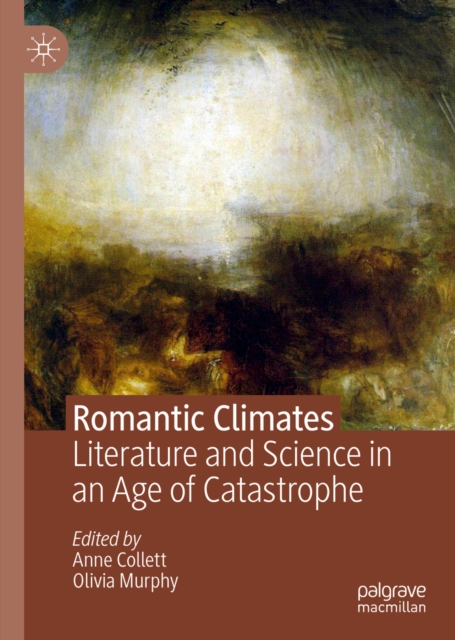
This book seeks to uncover how today's ideas about climate and catastrophe have been formed by the thinking of Romantic poets, novelists and scientists, and how these same ideas might once more be harnessed to assist us in the new climate challenges facing us in the present.
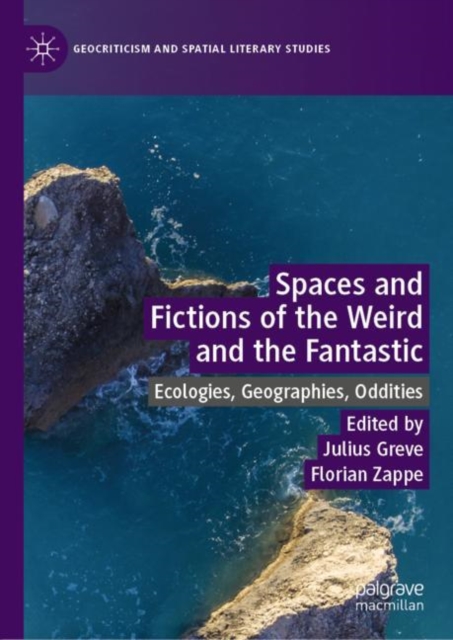
This collection of essays discusses genre fiction and film within the discursive framework of the environmental humanities and analyses the convergent themes of spatiality, climate change, and related anxieties concerning the future of human affairs, as crucial for any understanding of current forms of "e;weird"e; and "e;fantastic"e; literature and culture.
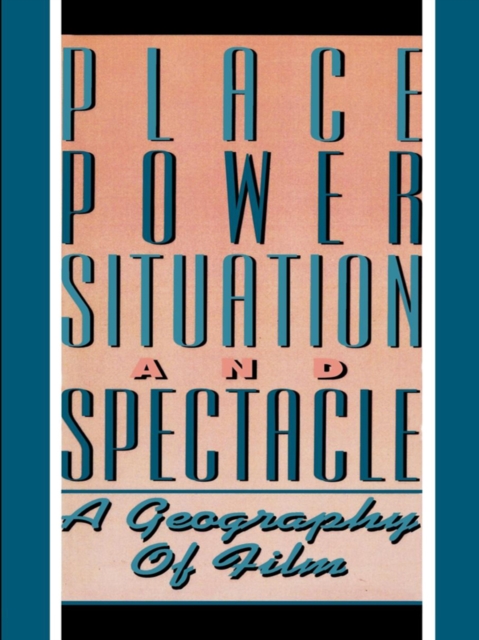
Using contemporary film theory and elements of socio-cultural and political discourse, fourteen geographers examine the effects of cinematic representation of place and space on perceptions of self and societies in the world.
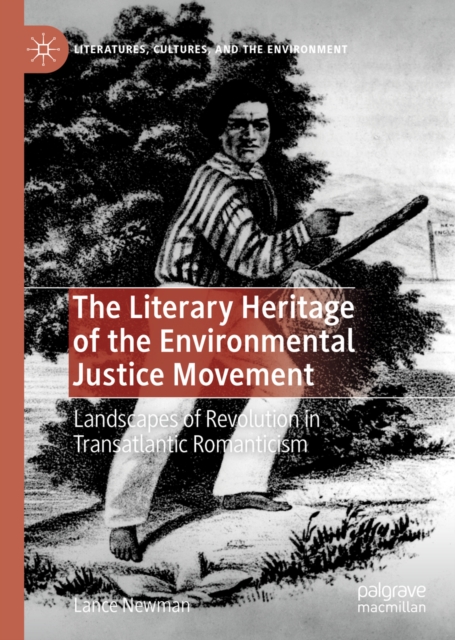
The Literary Heritage of the Environmental Justice Movement showcases environmental literature from writers who fought for women's rights, native rights, workers' power, and the abolition of slavery during the Romantic Era.
A revealing look at the intersection of wealth, philanthropy, and conservationBillionaire Wilderness takes you inside the exclusive world of the ultra-wealthy, showing how today's richest people are using the natural environment to solve the existential dilemmas they face.
Though still a relatively young field, the study of Latin American environmental history is blossoming, as the contributions to this definitive volume demonstrate.
This volume draws together a selection of high-quality presentations at the 13th International Bonhoeffer Congress held in January 2020 in Stellenbosch, South Africa.
Plant-Forward Cuisine is a beautifully illustrated book that promotes the environmental and health benefits of a plant-forward diet and will inspire readers with a range of exciting recipes.