In this powerful collection of interviews, Noam Chomsky exposes the problems of our world today, as we stand in this period of monumental change, preparing for a more hopeful tomorrow.
This book presents an accessible and easy-to-follow argument that the climate crisis is a side effect of inequality and injustice, and demonstrates how strategies such as large-scale social investment will prove far more effective in reducing greenhouse gas pollution than cap-and-trade or other forms of free-market environmentalism.
Este libro surge de una serie de talleres y seminarios organizados por la Universidad Panamericana como parte de la Cátedra Interamericana Laudato si'.
This collection of essays brings together the study of cultural adaptations and environmental studies—thus the coined term “ecoadaptation”—to explore how elements of the natural world and the environment are represented and adapted in a variety of media.
Las primeras decadas del siglo XXI se caracterizan por el agotamiento paradigmatico de las instituciones politicas, economicas, sociales y juridicas, tal como lo evidencia el fracaso de aquellas para enfrentar los graves problemas contemporaneos, incluyendo el cambio climatico, la pandemia de COVID-19 y la pobreza.
This collection of essays brings together the study of cultural adaptations and environmental studies—thus the coined term “ecoadaptation”—to explore how elements of the natural world and the environment are represented and adapted in a variety of media.
This book presents a clear, concise, and engaging discussion of critical multicultural and environmental justice education (CMEJE), elucidating what it is; why it is urgent for teaching professionals who work in urban and rural high-need contexts; and how to implement it.
This book explores the multispecies dimensions of First Nations burning practices and shows how these integrate with Aboriginal ontologies to resist the ideological and structural violence of colonization.
The BERA Guide to Environmental and Sustainability Education aims to engage and inspire educators and education researchers to (re)engage with environmental and sustainability education and reflect on the intersections between their own areas of expertise and practice.
This book presents a clear, concise, and engaging discussion of critical multicultural and environmental justice education (CMEJE), elucidating what it is; why it is urgent for teaching professionals who work in urban and rural high-need contexts; and how to implement it.
This book explores the multispecies dimensions of First Nations burning practices and shows how these integrate with Aboriginal ontologies to resist the ideological and structural violence of colonization.
Highly Commended for the Wainwright Prize 2023, and shortlisted for the Z calo Book Prize and the Christopher Moore Prize For Human Rights Writing 'Gaia Vince's new book should be read not just by every politician, but by every person on the planet' ObserverAn urgent investigation of the most underreported, seismic consequence of climate change: how it will force us to change where - and how - we liveWe are facing a species emergency.
The BERA Guide to Environmental and Sustainability Education aims to engage and inspire educators and education researchers to (re)engage with environmental and sustainability education and reflect on the intersections between their own areas of expertise and practice.
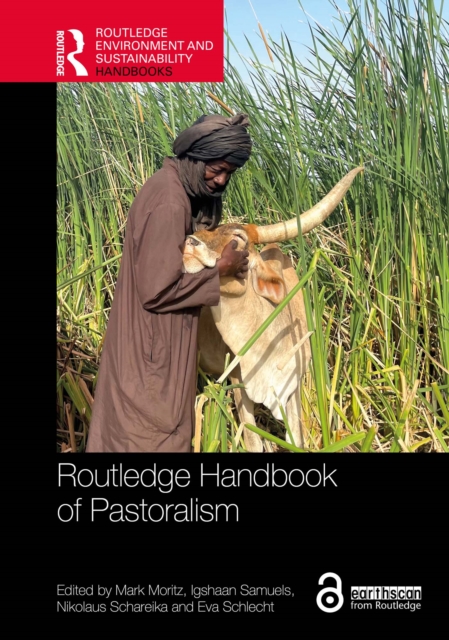
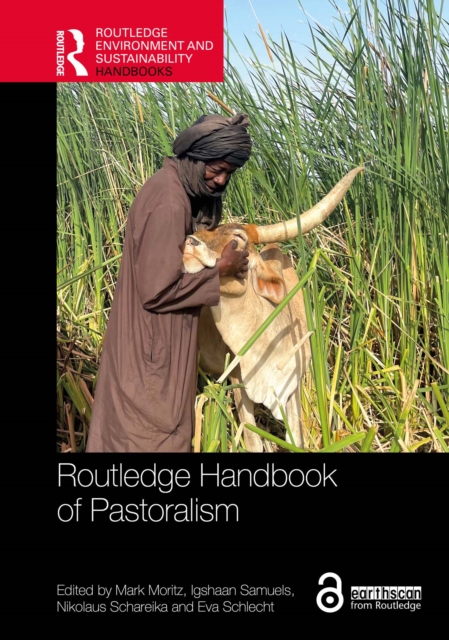
This handbook provides a comprehensive and authoritative overview of pastoralism, combining major theoretical debates with an interdisciplinary and comparative perspective on pastoral systems across the world.
This handbook provides a comprehensive and authoritative overview of pastoralism, combining major theoretical debates with an interdisciplinary and comparative perspective on pastoral systems across the world.
This book offers a genuinely interdisciplinary engagement with the future of paid and unpaid work in the context of the twin challenges of decarbonisation and the growing impacts of an unstable climate.
This book offers a genuinely interdisciplinary engagement with the future of paid and unpaid work in the context of the twin challenges of decarbonisation and the growing impacts of an unstable climate.
In the intricate web of socio-environmental crises across diverse geographical landscapes, grasping the intricacies of geographies and socio-spatial ecologies in disaster risk reduction practices is indispensable for global socio-ecological sustainability.
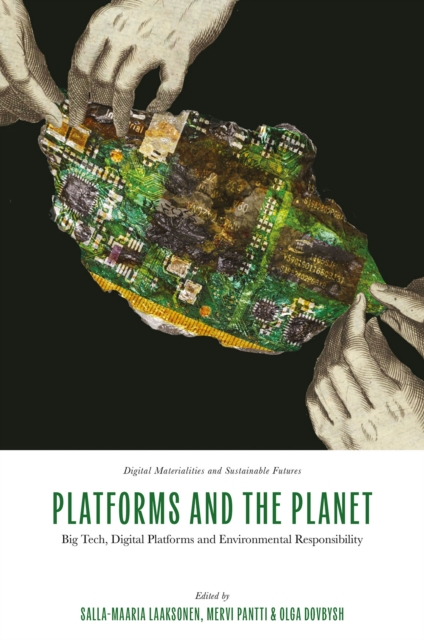
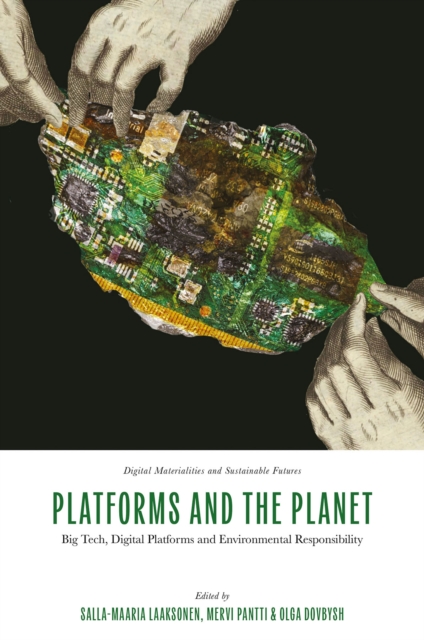
There is a growing public and scholarly attention to the environmental footprint of digital technologies, and to the climate responsibility of technology corporations and social media platforms specifically.
In the intricate web of socio-environmental crises across diverse geographical landscapes, grasping the intricacies of geographies and socio-spatial ecologies in disaster risk reduction practices is indispensable for global socio-ecological sustainability.
There is a growing public and scholarly attention to the environmental footprint of digital technologies, and to the climate responsibility of technology corporations and social media platforms specifically.
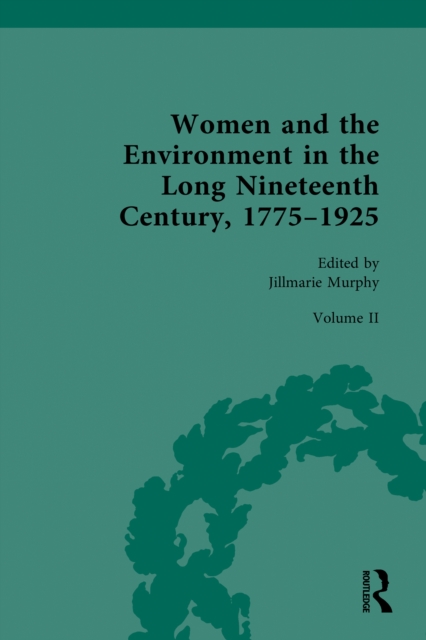
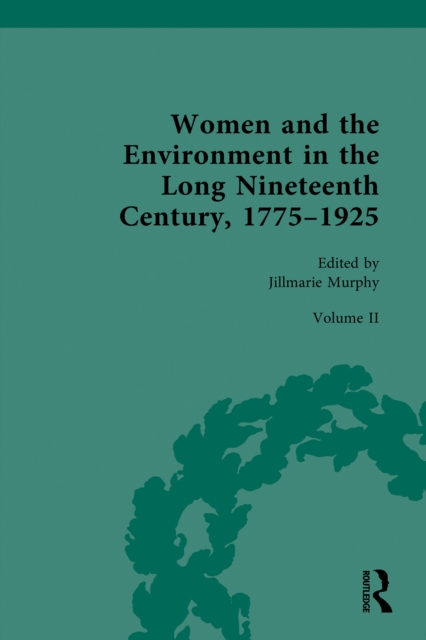
This volume features a variety of primary sources by nineteenth-century women from around the globe, whose work focuses on the varied interconnections between gender and the environment.
Haciendas, Plantations and Collective Farms (1977) studies the economic and political motivation of both landlords and peasants in two contrasting situations, Cuban plantations and Peruvian highland haciendas.
This volume features a variety of primary sources by nineteenth-century women from around the globe, whose work focuses on the varied interconnections between gender and the environment.
Haciendas, Plantations and Collective Farms (1977) studies the economic and political motivation of both landlords and peasants in two contrasting situations, Cuban plantations and Peruvian highland haciendas.
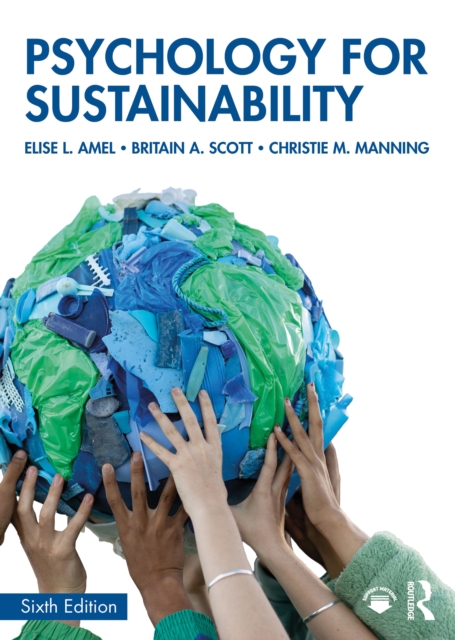
Now in its sixth edition and more crucial than ever, Psychology for Sustainability applies psychological science to environmental problems that manifest when human behavior disrupts and degrades natural systems.
Now in its sixth edition and more crucial than ever, Psychology for Sustainability applies psychological science to environmental problems that manifest when human behavior disrupts and degrades natural systems.