A definitive natural history of the Wye Valley covering the geology, geomorphology, conservation and ecological history of this diverse area of outstanding natural beauty.
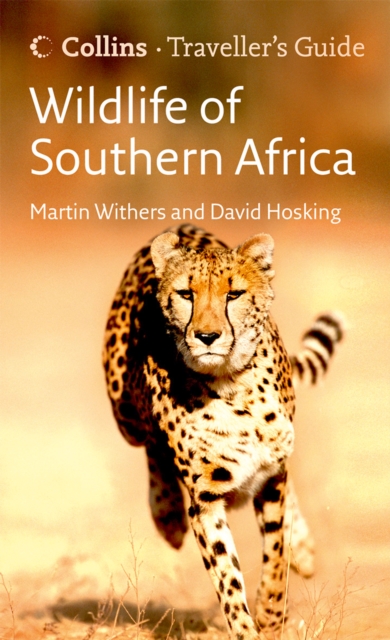
The perfect companion for the safari enthusiast, this complete traveller's guide to the wildlife of Namibia, Botswana, Zimbabwe, South Africa and Malawi is a must-have for all those considering a trip to the game reserves of this highly popular region.
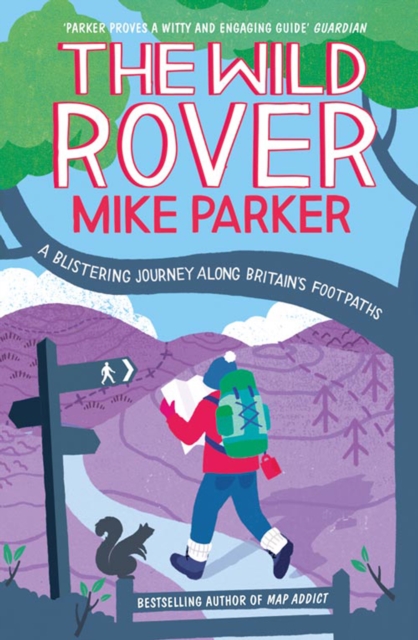
Mike Parker, bestselling author of Map Addict, offers a very full, intelligent and witty exploration into a glorious and passionate British subject - footpaths and the history of land ownership.
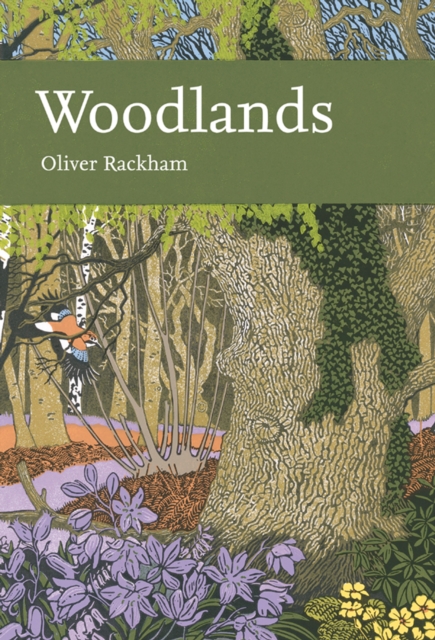
The 100th volume of the prestigious New Naturalist series, written by one of Britain's best-known naturalists, explores the significance and history of woodlands on the British landscape'Trees are wildlife just as deer or primroses are wildlife.
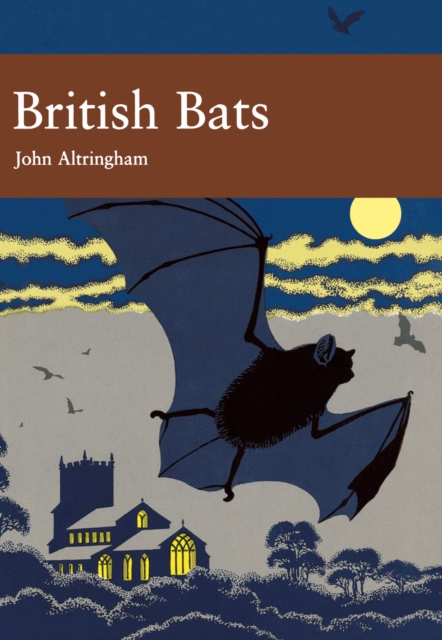
British Bats is a comprehensive account of the natural history of these fascinating animals, from their origins and evolution to their feeding habits and reproduction.
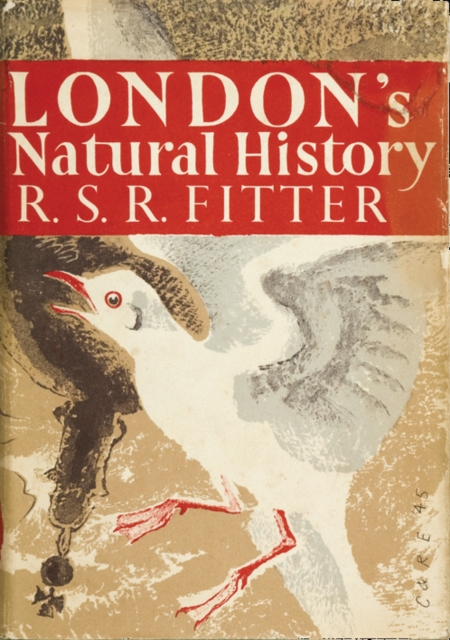
London's Natural History describes how the spread of man's activities has affected the plants and animals in them, destroying some and creating others.
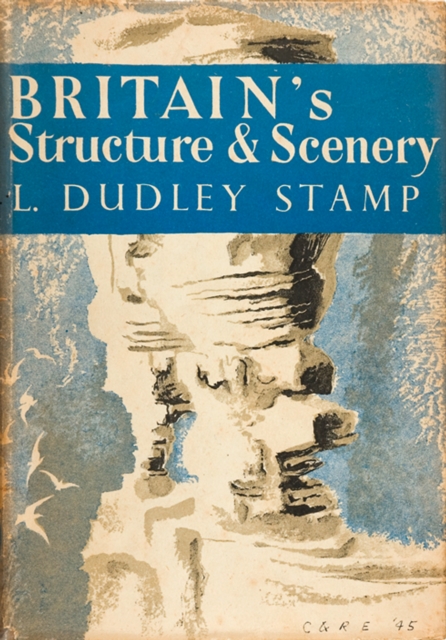
Britains Structure and Scenery deals with the physical background, the stage on which the drama of life is played and which provides the fundamental environment for plants, newnaturalists.
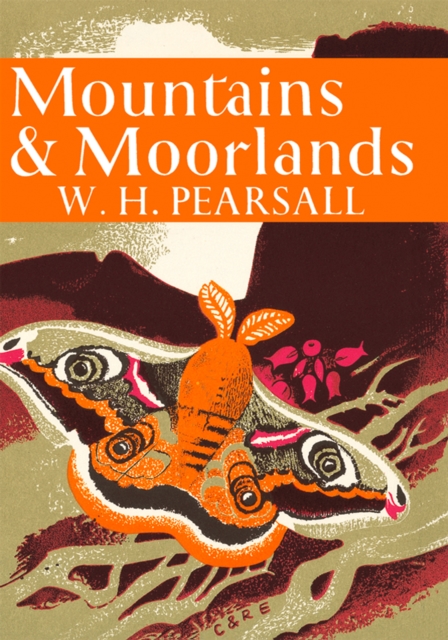
An invaluable introduction to the upland regions of Britain - their structure, climate, vegetation and animal life, their present and past uses and the problems of their conservation for the future.
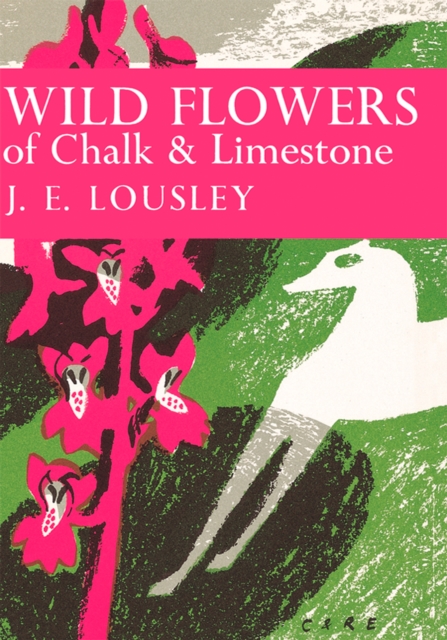
Wild Flowers of Chalk and Limestone will urge many to follow in the author's footsteps in search of the rich flora which make our chalk downs and limestone cliffs so fascinating to explore.
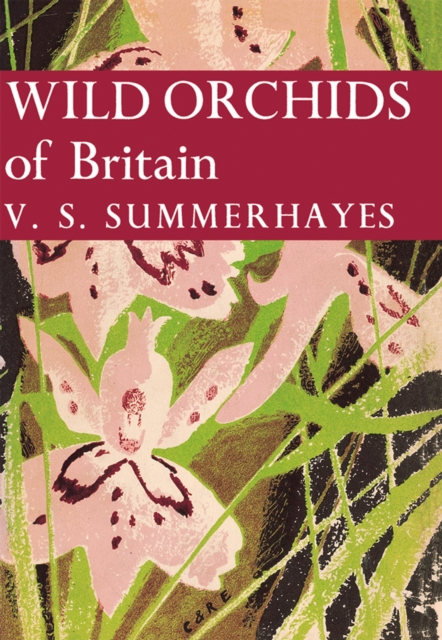
A treasure for all lovers of wild plants - Wild Orchids of Britain provides a detailed account of all our orchid species, varieties and hybrids, and has a useful key to identification.
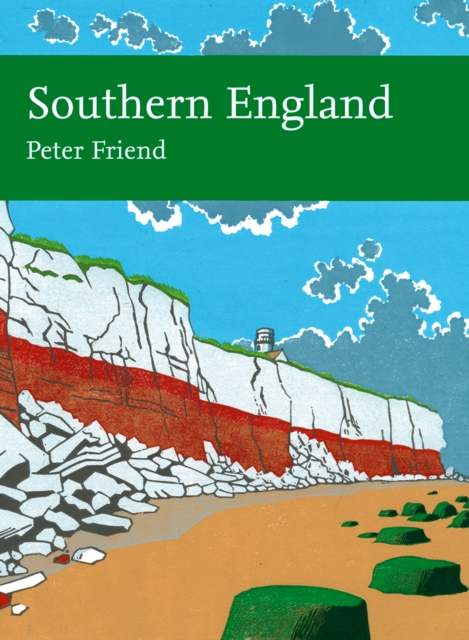
Illustrated with beautifully detailed photographs throughout, New Naturalist Southern England comprehensively explores the formation of these wonderful landscapes that are so universally admired.
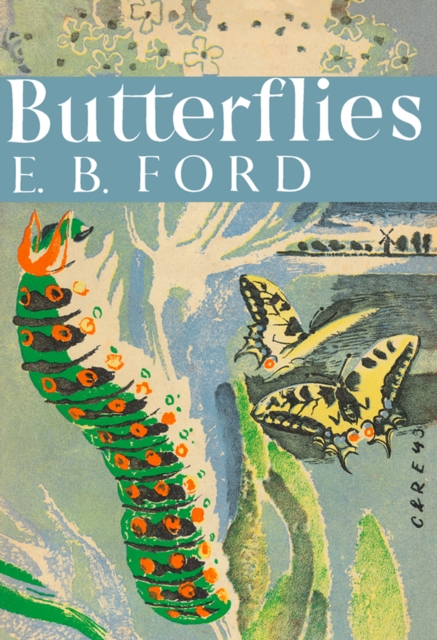
A scientific study that keeps in mind the needs of butterfly collectors and of all those who love the country in the hope that it may increase their pleasure by widening the scope of their interests.
British Game ranges beyond the strict legal interpretation of game and is full of interesting details about the birds and beasts that should interest sportsmen.
Britain's neglect of fungi as table delicacies has perhaps been responsible for our surprising ignorance of the natural history of such fascinating plants.
The natural history of an ordinary English country parish was one of the first subjects that suggested themselves when the New Naturalist series was planned.
Life in Lakes and Rivers reveals to us not only the fascination of the world of fresh waters, but the excitement and delight of finding out more about it.
Revealing the impact of civilisation upon our bird life, with particular reference to the species that have come to rely largely on types of habitat greatly modified or actually formed by human action.
The Sea Coast shows in a persuasive and compelling way the origin and evolution of cliffs, estuaries, sea marshes, sand dunes and the communities of plants and animals that they support.
Pesticides and Pollution examines the problems of pollution of air, land, river, and the sea, by herbicides, pesticides, sewage, industrial effluents, gases, radiation, leakages, over-drainage, mistakes and mismanagement, in Britain today.
Dartmoor explores the complex and fascinating history of one of southern England's greatest National Parks, an area of enormous interest to naturalists and tourists alike.
The use of natural and seeded grass pastures for the feeding of livestock and other unfamiliar uses for the ubiquitous grass family are described in this succinct and beautifully illustrated work.
Leslie Brown's account of our 15 resident, 7 vagrant and 2 migrant species of eagles, falcons, hawks and vultures in Britain presents a great mass of scientific information about our birds of prey in a manner as attractive to the general reader as to the dedicated ornithologist.
Ever wondered why primroses have three sorts of flowers; or about pesticide resistance in rats and mice, mosquitoes and green-fly; antibiotic resistance in disease organisms - all are examples of genetical adjustment, explained in this book.
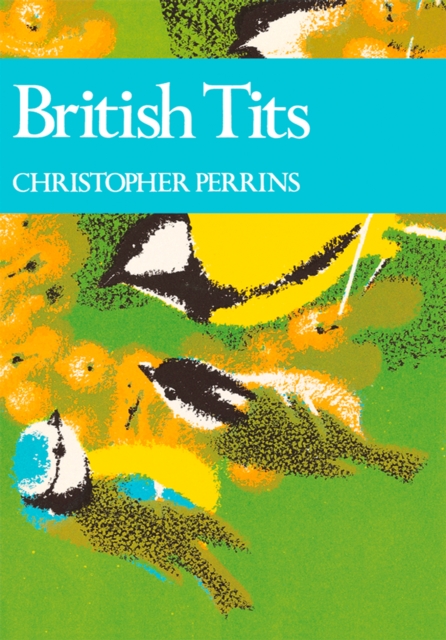
In addition to dealing with the general biology and behaviour of the birds, Dr Perrins gives full attention to such things as their social lives, their intelligence and adaptiveness, and their puzzling ability to adjust their population sizes to the future availability of food.
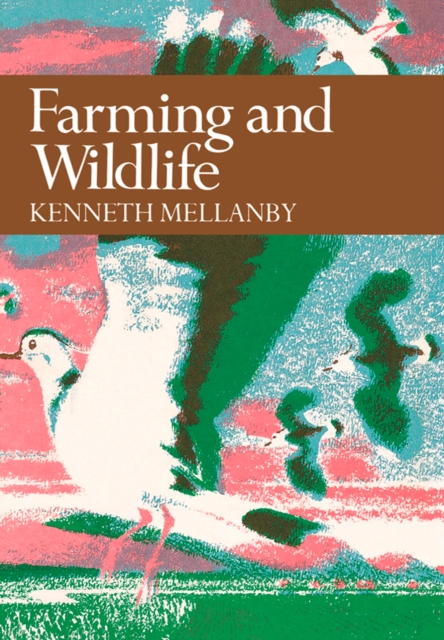
Farming and Wildlife argues forcefully that wild species are, in fact, beneficial to the land as a whole: without them its productivity will fall and farming will inevitably suffer.
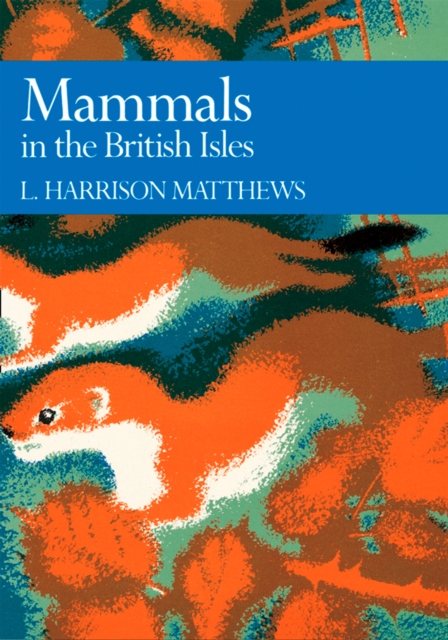
Mammals in the British Isles looks at the influences on their numbers and distribution, both now and in the past, examines aspects of their biology with emphasis on function and physiology, and concludes with an account of relationships with man.
Ferns gives the reader an introduction to the reasons for the variety of ferns in the British Isles, as well as the history of their development within this landscape and their use by man.
The Broads discusses the history of the Broads, the waters in the past and the waters now, the people who come into contact with and influence these waterways, and what the future holds for this small but important area of the countryside.
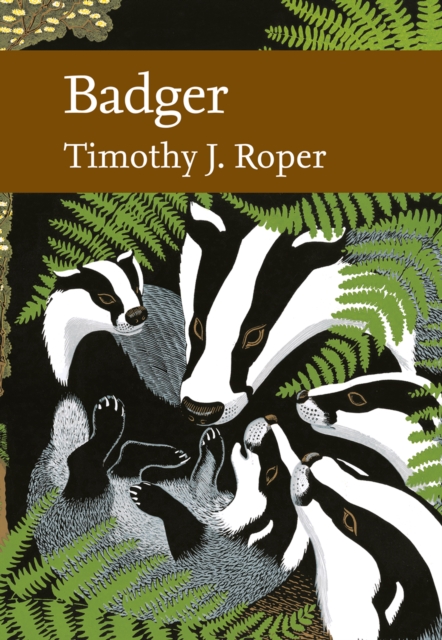
A comprehensive natural history of one of Britain's favourite animalsThe badger has for many years occupied a unique place in the British consciousness.
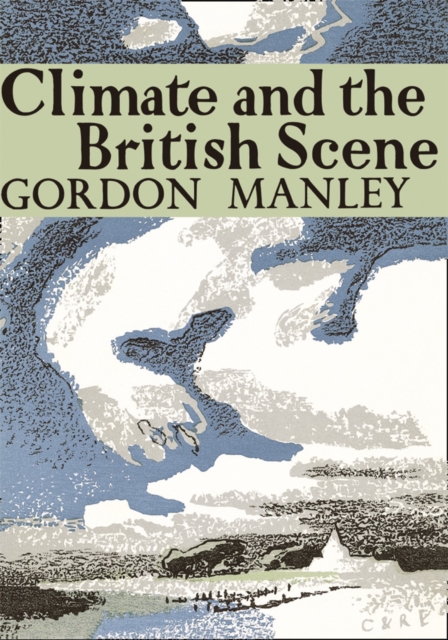
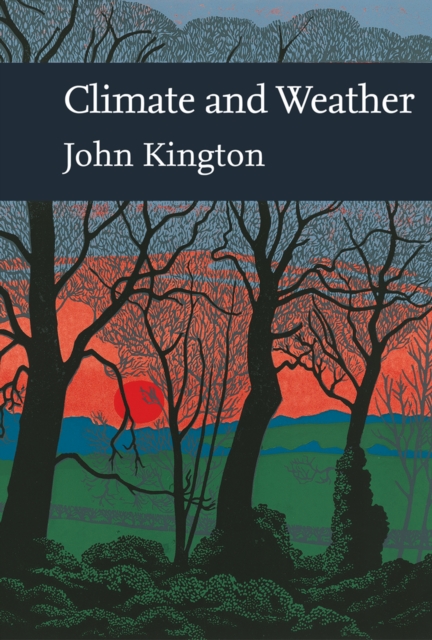
Reviewing the history and causes of climatic change and evaluating regional models, this New Naturalist volume offers an important analysis of climatic variations.
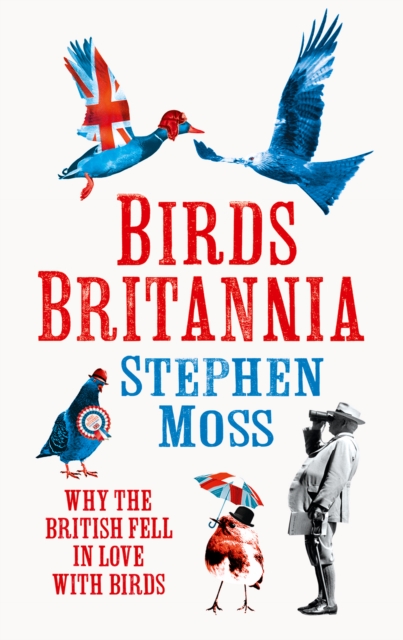
Birds and bird lore provide a fascinating window onto our social and cultural history, and can tell us much about our changing relationship with the British landscape, our people and society.
Chris Yates, one of Britain's most insightful and lyrical writers, raises his gaze from his beloved rivers and ponds and takes us on a mesmerizing tour of the British countryside.
Building on the solid foundations established by the two earlier New Naturalist volumes on this subject, eminent herpetologists Trevor Beebee and Richard Griffiths have brought together a wealth of new and fascinating information on the British amphibians and reptiles.