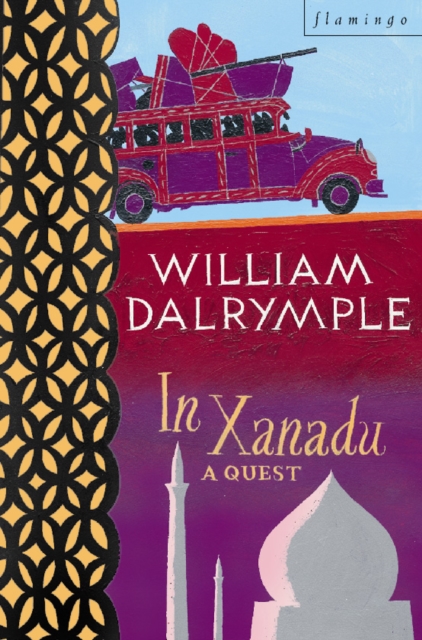
One of the most successful, influential and acclaimed travel books of recent years from the author of 'Return of a King', which has been shortlisted for the Samuel Johnson prize.
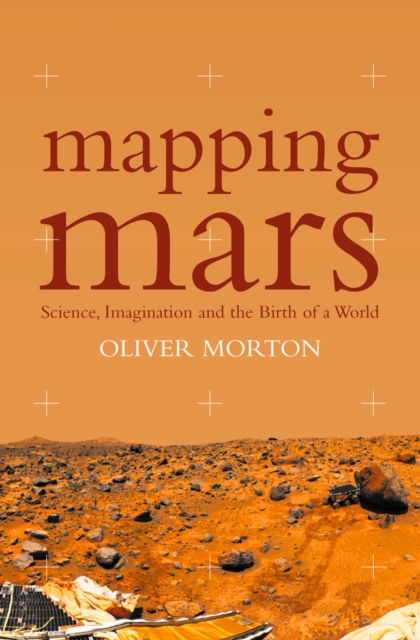
A narrative history of the men and women who have explored Mars and mapped its surface from afar, and in so doing conditioned our understanding of our nearest planetary neighbour.
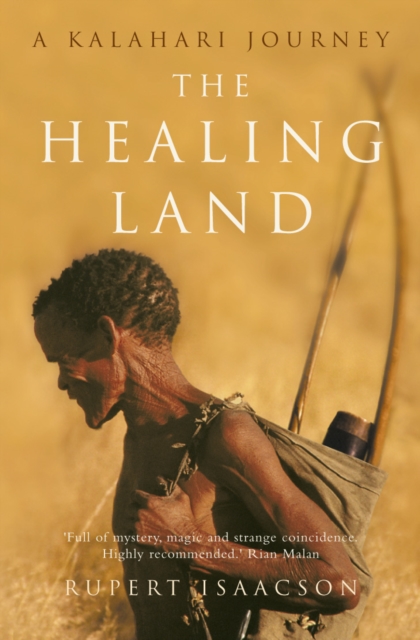
A brilliantly written exploration - part travel writing, part personal quest - of Africa's oldest and most famous populationThe Bushmen have long been mythologised and are firmly entrenched in the Western mind.
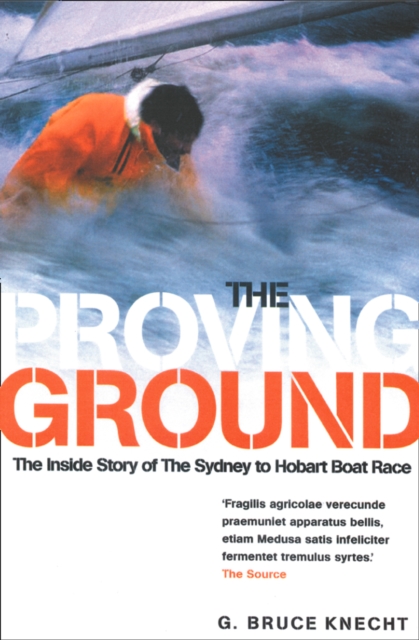
The story of the 1998 Sydney to Hobart boat race - the most dramatic in yacht racing historyThe waters between Sydney and Hobart are famously treacherous.
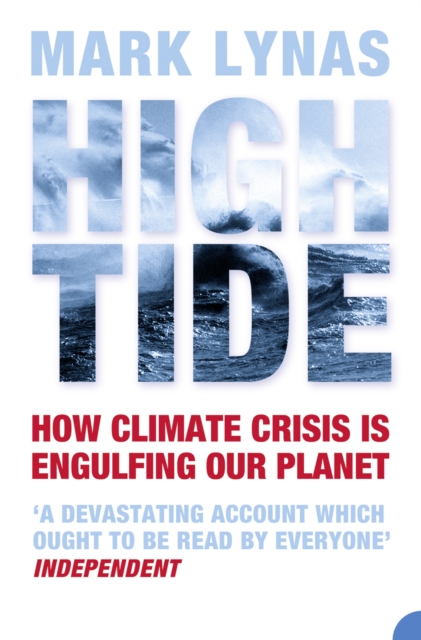
The No Logo of climate change - a book that shows how global warming is not a theory we should still debate, but something that has already happened on a global scale.
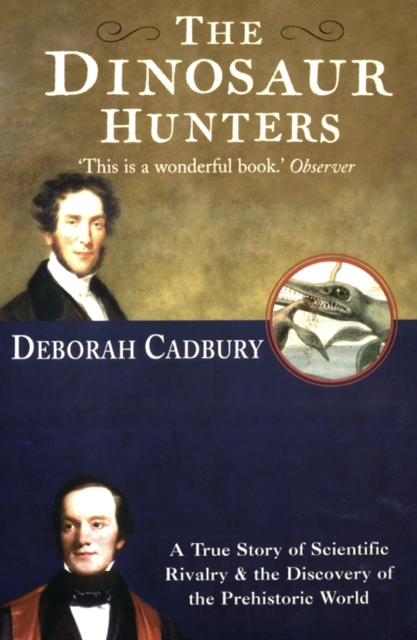
The story of two nineteenth-century scientists who revealed one of the most significant and exciting events in the natural history of this planet: the existence of dinosaurs.
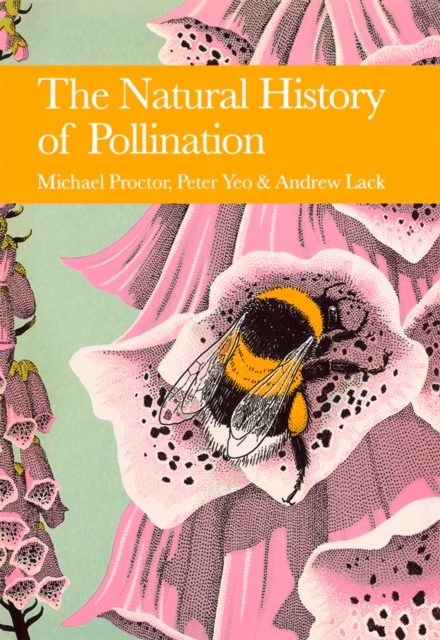
This is a brand new, fully updated edition of the natural history classic first published in the New Naturalist series in 1973 as The Pollination of Flowers.
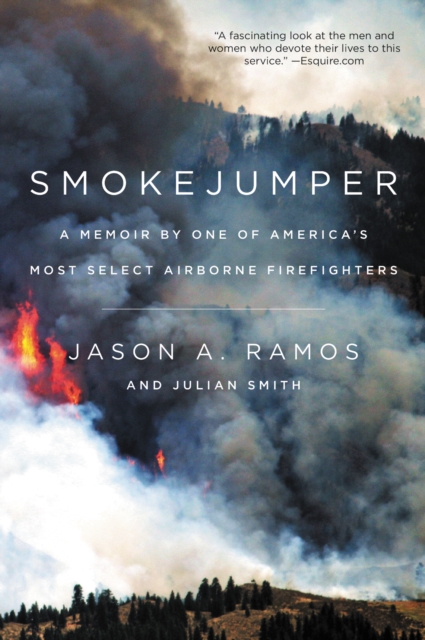
A rare inside look at the thrilling world of smokejumpers, the airborne firefighters who parachute into the most remote and rugged areas of the United States, confronting the growing threat of nature's blazes.
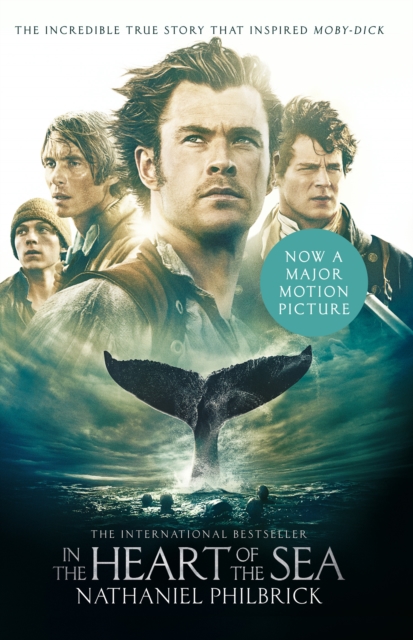
The epic true-life story of one of the most notorious maritime disasters of the nineteenth century - and inspiration for 'Moby-Dick' - reissued to accompany a major motion picture due for release in December 2015, directed by Ron Howard and starring Chris Hemsworth, Benjamin Walker and Cillian Murphy.
A rich blend of history and spirituality, adventure and politics, laced with the thread of black comedy familiar to readers of William Dalrymple's previous work.
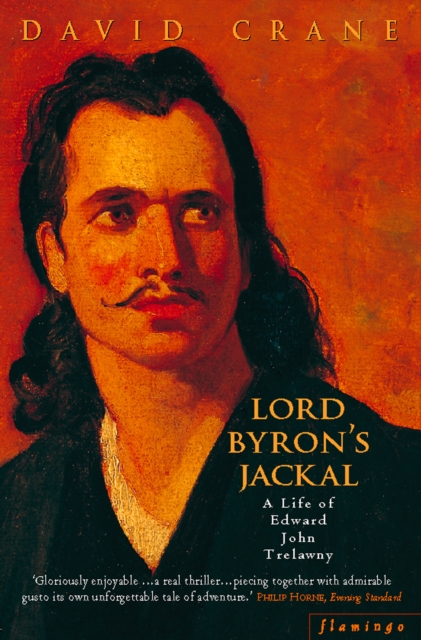
A true story of empire set in the Crimea, Sudan, Ceylon and Egypt - beautifully written and shot through with real psychological and historical insight.
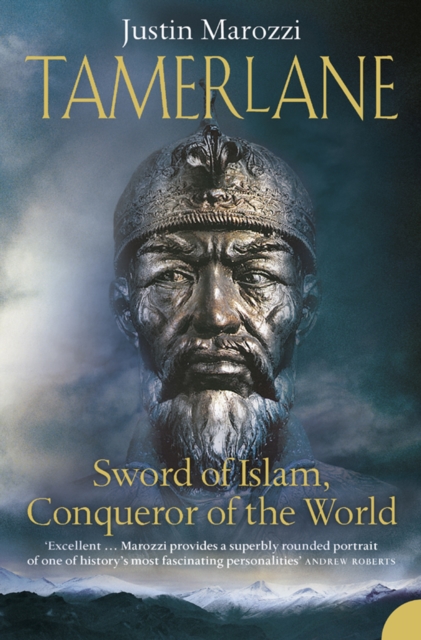
A powerful account of the life of Tamerlane the Great (1336-1405), the last master nomadic power, one of history's most extreme tyrants, and the subject of Marlowe's famous play.
Robert Carver, journalist and author of the acclaimed 'Among the Mountains', searches for high adventure and intense experiences as he follows the trail of a family mystery .
Over the years, millions of school children must have written out their address in the same way - their house number and street, their town, their country, their continent, planet Earth, the universe.
Handy and inspirational tips and lists - how to reduce plastic consumption, clean with eco-friendly products and working with the seasons to bring the outdoors inside.
Discover the hydrosocial cycle and the impact of power, knowledge, and scarcity on water rights and use through this engaging and student-friendly textbook In Water: A Critical Introduction, a team of distinguished researchers delivers an expert examination of our most pressing water-related challenges, arguing that flows of water are shaped by social practices and geometries of power.
The epic life story of the Atlantic Ocean from the bestselling author, Simon WinchesterIn a narrative tour de force, Simon Winchester dramatises the life story of the Atlantic Ocean, from its birth in the farther recesses of geological time to its eventual extinction millions of years in the future.
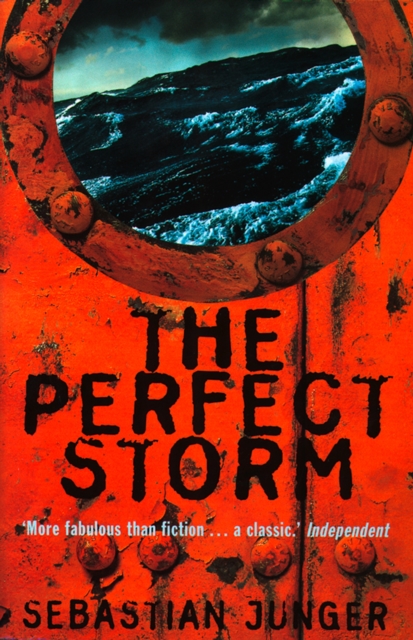
The worst storm in history seen from the wheelhouse of a doomed fishing trawler; a mesmerisingly vivid account of a natural hell from a perspective that offers no escape.
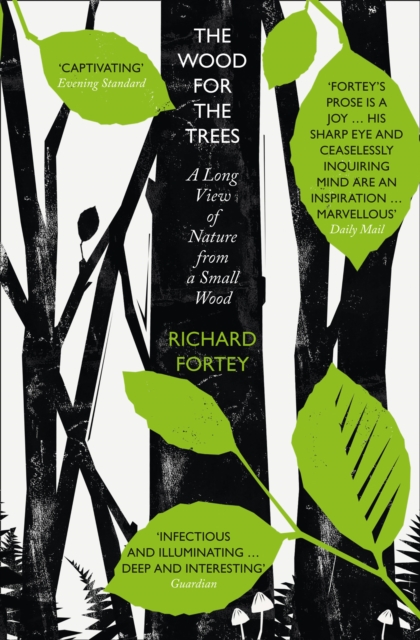
From one of our greatest science writers, this biography of a beech-and-bluebell wood through diverse moods and changing seasons combines stunning natural history with the ancient history of the countryside to tell the full story of the British landscape.
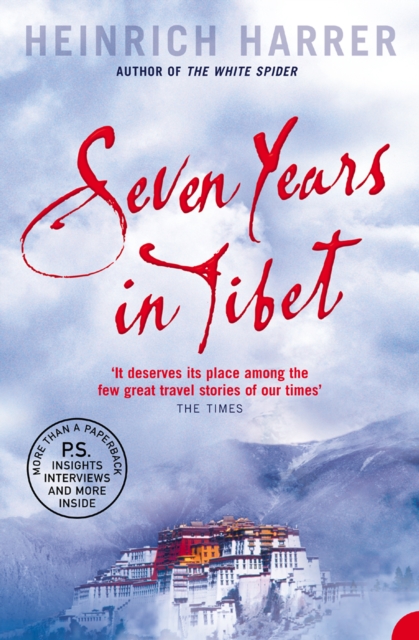
A landmark in travel writing, this is the incredible true story of Heinrich Harrer's escape across the Himalayas to Tibet, set against the backdrop of the Second World War.
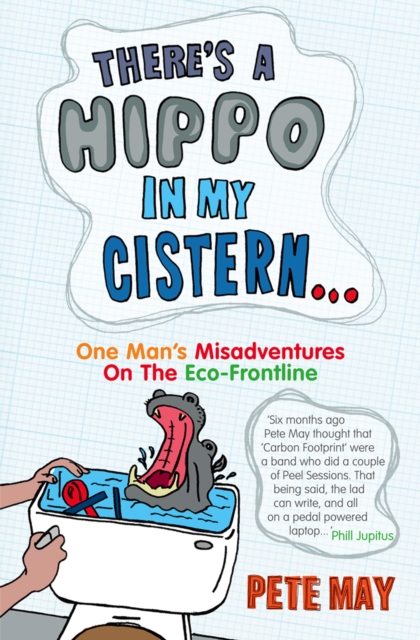
The hilarious true-life tale of one man's journey from self-confessed planet-killing lad to eco-friendly, green-crusader Dad set against the backdrop of Cool Britannia, Blair's Britain and the rise of the green movement.
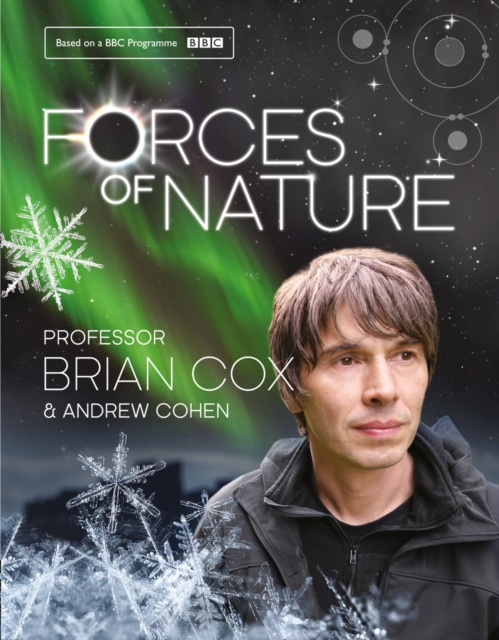
Sunday Times BestsellerA breathtaking and beautiful exploration of our planet, this groundbreaking book accompanies the BBC One TV series, providing the deepest answers to the simplest questions.