With sustainability now a fundamental strategic pillar for organizations, ESG metrics are vital for decision making, yet this data is complex and ever evolving.
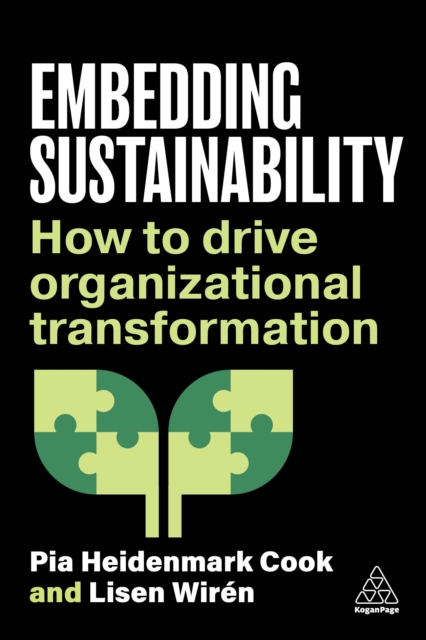
With sustainability now a fundamental strategic pillar for organizations, ESG metrics are vital for decision making, yet this data is complex and ever evolving.
Embedding Sustainability is a practical, solutions-focused guide for sustainability managers and leaders to embed sustainability in organizations and drive improved performance.
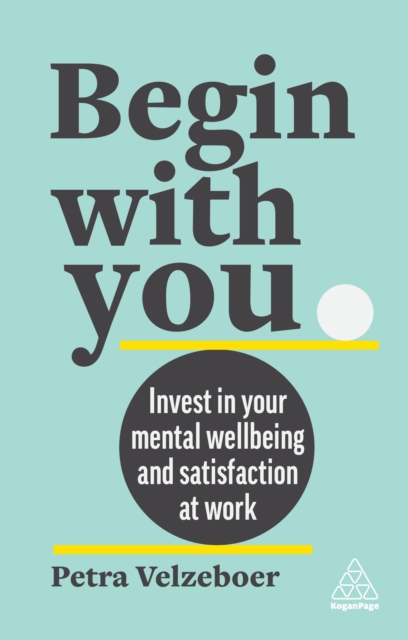
FINALIST: 2024 International Book Awards - Business: MotivationalFINALIST: Goody Business Book Award 2024 - Self-Help - Personal TransformationToo many of us work through burnout and sacrifice our work-life balance to get ahead in our careers.
FINALIST: 2024 International Book Awards - Business: MotivationalFINALIST: Goody Business Book Award 2024 - Self-Help - Personal TransformationToo many of us work through burnout and sacrifice our work-life balance to get ahead in our careers.
Embedding Sustainability is a practical, solutions-focused guide for sustainability managers and leaders to embed sustainability in organizations and drive improved performance.
FINALIST: 2024 International Book Awards - Business: Marketing & AdvertisingDrive innovation, brand loyalty and customer engagement through creating and acting on a crystallized and authentic brand purpose that demonstrates your company's commitment to making a positive impact on the world.
FINALIST: 2024 International Book Awards - Business: Marketing & AdvertisingDrive innovation, brand loyalty and customer engagement through creating and acting on a crystallized and authentic brand purpose that demonstrates your company's commitment to making a positive impact on the world.
WINNER: Goody Business Book Award 2025 - Business - EnvironmentIs your sustainability strategy bold enough to drive real impact, or is it just ticking boxes?
WINNER: Goody Business Book Award 2025 - Business - EnvironmentIs your sustainability strategy bold enough to drive real impact, or is it just ticking boxes?
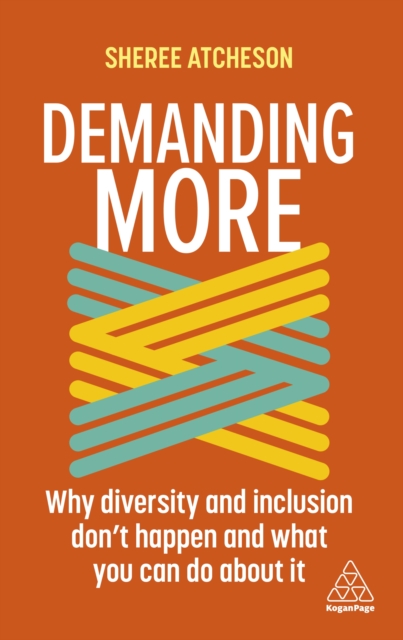
WINNER: CMI Management Book of the Year 2022SHORTLISTED: Business Book Awards 2022 - Diversity, Inclusion & Equality categoryGood intentions are not enough - real diversity is about change.
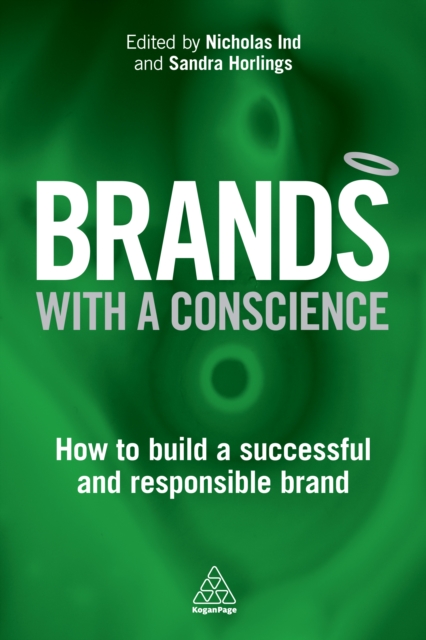
The definitive expert guide to ethical brand practice from the prestigious Medinge Group, Brands with a Conscience dissects the philosophies underpinning sustainable brands to arrive at a set of eight clear guiding attributes which can be used as the foundation of a strategy for responsible growth.
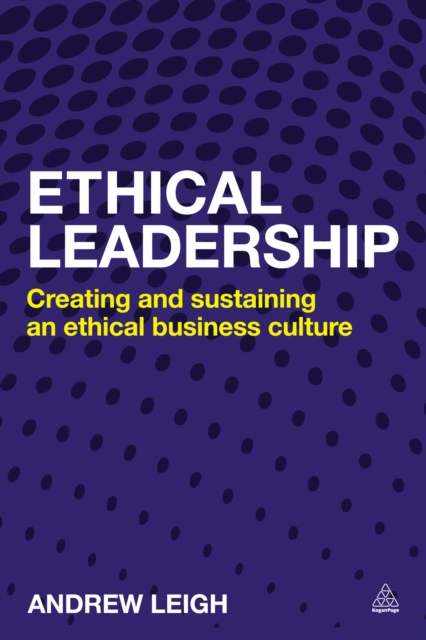
Ethical Leadership shines a light on the role of both culture and ethics in organizations by making the issues more transparent, accessible and above all, connected.
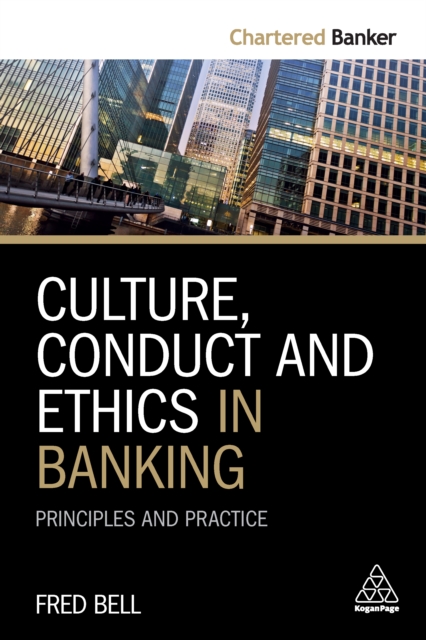
Endorsed by the Chartered Banker Institute as core reading for its professional qualifications, Culture, Conduct and Ethics in Banking emphasizes the importance of professionalism for banks, and explores how all staff play a key role in putting customers at the heart of their business.
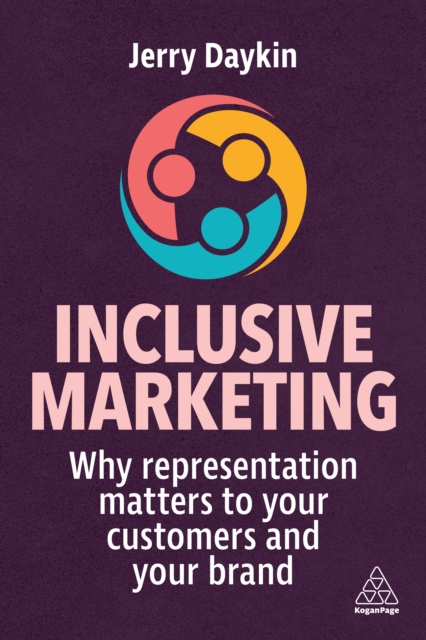
Grow your brand and reach new consumers by creating more impactful and effective marketing that meaningfully reflects and appeals to a diverse customer profile and marketplace.
WINNER: CMI Management Book of the Year 2022SHORTLISTED: Business Book Awards 2022 - Diversity, Inclusion & Equality categoryGood intentions are not enough - real diversity is about change.
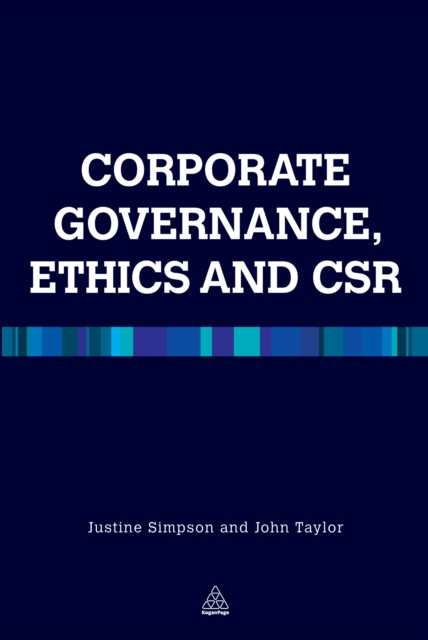
The rise of corporate social responsibility (CSR) is creating a paradigm shift in contemporary corporate culture and organizational behaviour with shareholder and stakeholder activism on the rise as international banking crises and global corporate scandals dominate the headlines.
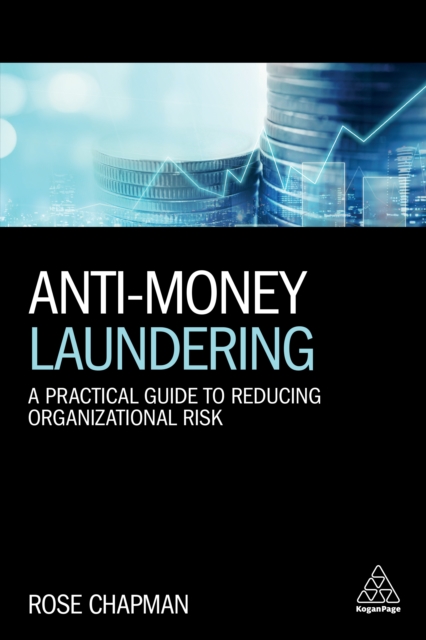
Across the world, organizations continue to be damaged and brought down by systemic non-compliance or the misdeeds of a few, and newspapers abound with examples of corporate and NGO scandals and crimes.
Endorsed by the Chartered Banker Institute as core reading for its professional qualifications, Culture, Conduct and Ethics in Banking emphasizes the importance of professionalism for banks, and explores how all staff play a key role in putting customers at the heart of their business.
Ethical Leadership shines a light on the role of both culture and ethics in organizations by making the issues more transparent, accessible and above all, connected.
The rise of corporate social responsibility (CSR) is creating a paradigm shift in contemporary corporate culture and organizational behaviour with shareholder and stakeholder activism on the rise as international banking crises and global corporate scandals dominate the headlines.
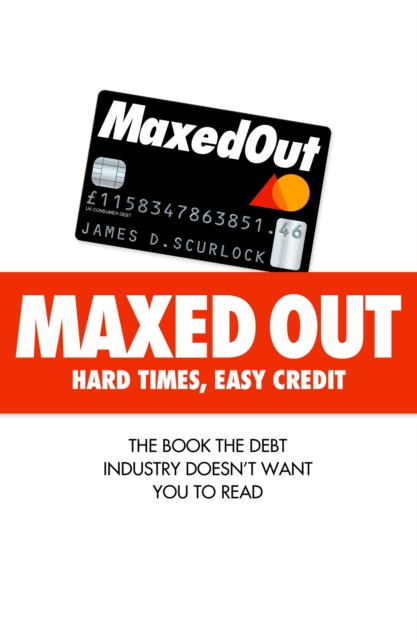
Scaldingly honest, impeccably researched and movingly written, 'MAXED OUT' is, as 'FAST FOOD NATION' was to the food industry, the book the captains of the debt industry wish you would never read.
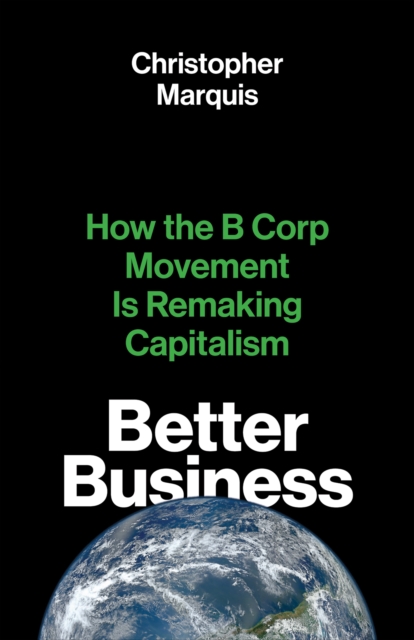
A compelling look at the B Corp movement and why socially and environmentally responsible companies are vital for everyone’s future—"a valuable guide to an important force" (Financial Times) "An important blueprint for how businesses can and should be both successful and a force for good.
Across the world, organizations continue to be damaged and brought down by systemic non-compliance or the misdeeds of a few, and newspapers abound with examples of corporate and NGO scandals and crimes.
The definitive expert guide to ethical brand practice from the prestigious Medinge Group, Brands with a Conscience dissects the philosophies underpinning sustainable brands to arrive at a set of eight clear guiding attributes which can be used as the foundation of a strategy for responsible growth.
Grow your brand and reach new consumers by creating more impactful and effective marketing that meaningfully reflects and appeals to a diverse customer profile and marketplace.
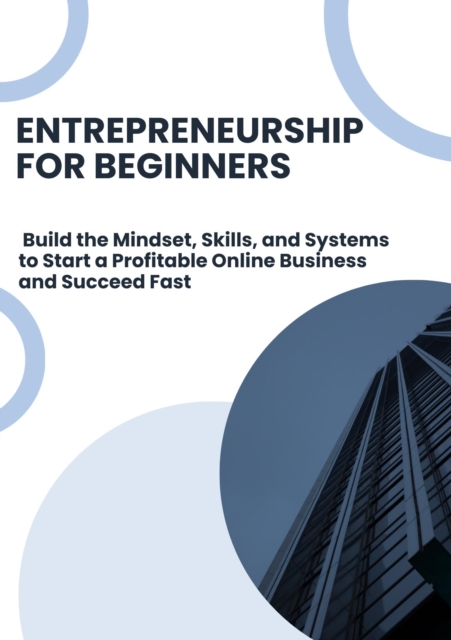
Entrepreneurship for Beginners: Build the Mindset, Skills, and Systems to Start a Profitable Online Business and Succeed FastAre you tired of overthinking, feeling stuck, or watching others succeed while you're unsure where to start?