The Impostor Syndrome is a well-researched, well-documented phenomenon that occurs when successful and intelligent professionals feel they do not deserve their accomplishments and that they have faked their way to success.
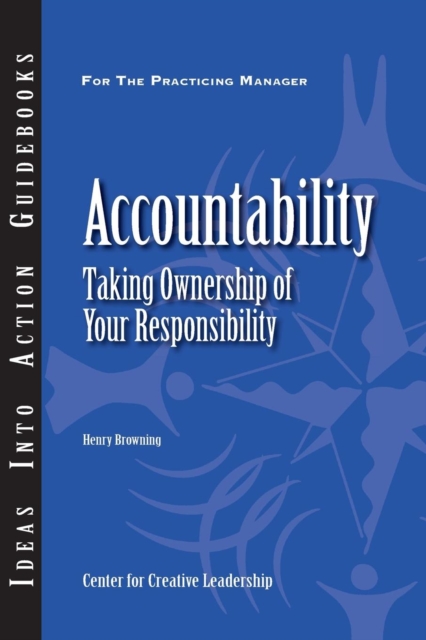
More and more managerial challenges require leaders to be accountable-to take initiative without having full authority for the process or the outcomes.
An essential book on leadership development and coaching, Compass is the go-to reference to help you-and the people you develop-provide the leadership needed in any circumstance to galvanize teams, groups and entire organizations.
Lead 4 Success sets your development as a leader on the right track, focusing on the four fundamental skills that fuel the thoughts and drive the actions of leaders who make a difference: SELF-AWARENESS-understanding who you are and what you have to offer, LEARNING AGILITY-the capability to absorb new information,process it, and use it to meet new challenges quickly and decisively, COMMUNICATION-the ability to establish shared understanding and convey a vision for the future INFLUENCE-the power to persuade others to act on that vision.
Experience is vital for a leader's success, but merely having an experience (such as a challenging new job, a stretch assignment, or an unexpected hardship) isn't enough.
With the aid of this action guide, you will determine what and how much you are learning, what parts of your job holds key challenges, and what strategies you might adopt to derive maximal learning from these experiences.
Managing the demands of the workplace and the responsibilities of the rest of your life can be tricky, especially when you’re a driven leader who wants to succeed.
This fieldbook aims to put many of the skills and insights gained by participants who have attended management programs through the Community Resource Exchange (CRE).
The Facilitator's Guide details all key workshop procedures - including setup, administration, and follow-up - and provides you with reproducible PowerPoint slides.
The Learning Tactics Inventory profiles a person's preferred learning behavior, outlines the consequences of overuse of each tactic, and explores ways to adopt new learning strategies and behaviors.
Some executives use coaching to learn specific skills, others to improve performance on the job or to prepare for career moves in business or professional life.
This guidebook provides an introduction to the basics of leader-coaching, including a structure and a set of guidelines to conduct effective formal and informal coaching conversations with your direct reports.
Giving effective feedback is essential in leadership, as it promotes open communication, provides tangible information employees can act upon, and empowers employees to get things done.
Managing the demands of the workplace and the responsibilities of the rest of your life can be tricky, especially when you’re a driven leader who wants to succeed.
Managing the demands of the workplace and the responsibilities of the rest of your life can be tricky, especially when you're a driven leader who wants to succeed.
Advancing in an organization is often a top priority for leaders, but a narrow organizational and personal perspective can severely limit your ability to advance.
This guidebook outlines the benefits of effective delegation and the fears and concerns that can prevent or hinder it, then offers four key ideas that leaders can use to enable better delegation.
Even in the midst of economic upheaval, organizations need to recognize that selecting, developing, and managing the right leadership talent will help them not only survive but thrive when the economy eventually rebounds.
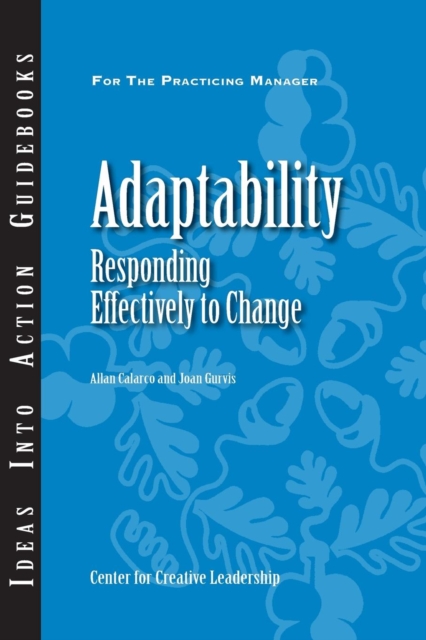
This Center for Creative Leadership® publication contributes to a greater understanding of adaptability and the cognitive, emotional, and dispositional flexibility it requires.