Over the last ten years, Corporate Social Responsibility (CSR) has grown from being criticised as a management fad to being endorsed as good business practice by the majority of the world's leading companies.
In a world where the implications and consequences of corporate actions and decisions are potentially far-reaching and lasting, ethical standards - their observance and their breach - must be part of the language of business conduct, whether in the context of corporate transgressions, regulatory effectiveness, terms of engagement between business and their stakeholders, or the metrics used by investors in assessing performance and risk and understanding long-term value.
In a world where the implications and consequences of corporate actions and decisions are potentially far-reaching and lasting, ethical standards - their observance and their breach - must be part of the language of business conduct, whether in the context of corporate transgressions, regulatory effectiveness, terms of engagement between business and their stakeholders, or the metrics used by investors in assessing performance and risk and understanding long-term value.
The failure of many governments to provide basic rights for their citizens has given rise to the expectation that globally operating corporations should step in and fill governance gaps, for example in the area of human rights.
The failure of many governments to provide basic rights for their citizens has given rise to the expectation that globally operating corporations should step in and fill governance gaps, for example in the area of human rights.
As Chairman of the Royal Dutch/Shell Group from 19912001 and Anglo American plcA from 20022009, Sir Mark Moody-Stuart is as qualified as anyone on the planet to discussA the realities, dilemmas and lessons to be learnt from the last 20 years of corporate engagement with sustainability, ethics and responsibility.
As Chairman of the Royal Dutch/Shell Group from 19912001 and Anglo American plcA from 20022009, Sir Mark Moody-Stuart is as qualified as anyone on the planet to discussA the realities, dilemmas and lessons to be learnt from the last 20 years of corporate engagement with sustainability, ethics and responsibility.
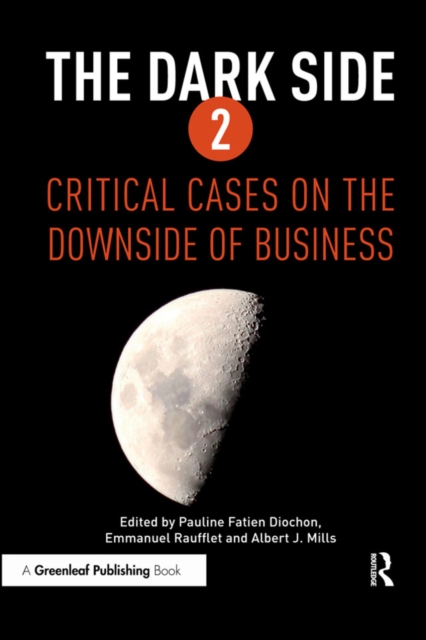
This second collection of outstanding shortlisted contributions from the Critical Management Studies (CMS) Interest Group of the Academy of Management (AOM) Dark Side"e; case-writing competition continues to go where other business case studies fear to tread.
This second collection of outstanding shortlisted contributions from the Critical Management Studies (CMS) Interest Group of the Academy of Management (AOM) Dark Side"e; case-writing competition continues to go where other business case studies fear to tread.
The Corporate Responsibility Code Book has become the go-to guide for companies trying to understand the landscape of corporate responsibility and searching for their own, unique route towards satisfying diverse stakeholders.
The Corporate Responsibility Code Book has become the go-to guide for companies trying to understand the landscape of corporate responsibility and searching for their own, unique route towards satisfying diverse stakeholders.
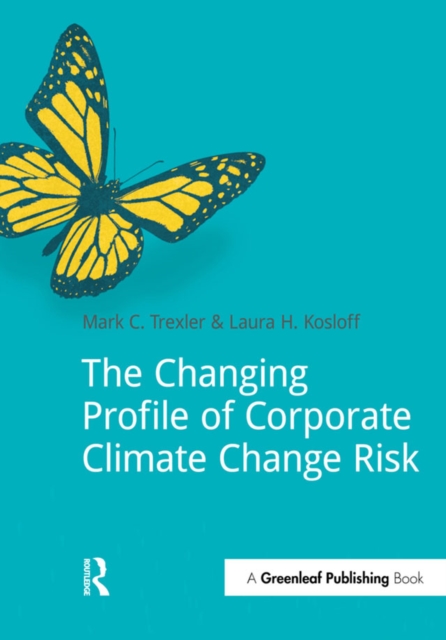
This book will help business executives to (1) rethink their perceptions of climate risk (2) evaluate whether their company is effectively positioned, and (3) make informed and prudent business decisions about climate change risk in an environment rife with policy uncertainty.
This book will help business executives to (1) rethink their perceptions of climate risk (2) evaluate whether their company is effectively positioned, and (3) make informed and prudent business decisions about climate change risk in an environment rife with policy uncertainty.
This book outlines a path towards a more practical era for "e;corporate responsibility"e;, where companies make real environmental gains based on hard facts, using lifecycle assessment (LCA) and environmental product declarations (EPDs).
This book outlines a path towards a more practical era for "e;corporate responsibility"e;, where companies make real environmental gains based on hard facts, using lifecycle assessment (LCA) and environmental product declarations (EPDs).
Materiality is the lynch-pin that can align your sustainability initiatives with your organizational strategy and form the basis of communications and reports that generate trust and transparency.
Materiality is the lynch-pin that can align your sustainability initiatives with your organizational strategy and form the basis of communications and reports that generate trust and transparency.
For companies, unethical business practices like bribery and corruption pose major business risks, and can result in fines, reputational damage, lost business opportunity and - increasingly - criminal or civil charges.
For companies, unethical business practices like bribery and corruption pose major business risks, and can result in fines, reputational damage, lost business opportunity and - increasingly - criminal or civil charges.
"e;We need to do Community Involvement better - we know we're spending millions each year on charitable causes; how can we find out what is really effective and what people will appreciate us for?
"e;We need to do Community Involvement better - we know we're spending millions each year on charitable causes; how can we find out what is really effective and what people will appreciate us for?
This book, first published in 1993, challenges the accepted and practised methods organizations use to set standards of performance and quantify their achievements.
This book, first published in 1993, challenges the accepted and practised methods organizations use to set standards of performance and quantify their achievements.
Following the international success of The Fish Rots from the Head: Developing Effective Directors, this sequel from Bob Garratt explains the public's distrust of the people who govern us - the directors, owners, regulators and politicians - and how this can be changed.
Following the international success of The Fish Rots from the Head: Developing Effective Directors, this sequel from Bob Garratt explains the public's distrust of the people who govern us - the directors, owners, regulators and politicians - and how this can be changed.
This study provides a representation of the broad spectrum of theoretical work on topics related to business ethics, with a particular focus on corporate citizenship.
This study provides a representation of the broad spectrum of theoretical work on topics related to business ethics, with a particular focus on corporate citizenship.
Drawing on the work of Jurgen Habermas's social theory for the critical study of management, organization and employment, this book proposes a new definition of legitimate corporate action; based on Habermas's principles of communicative rationality and discourse ethics.
Drawing on the work of Jurgen Habermas's social theory for the critical study of management, organization and employment, this book proposes a new definition of legitimate corporate action; based on Habermas's principles of communicative rationality and discourse ethics.
The topic of 'corporate governance' attracts the interest of commentators, policy makers and academics due to its focus on major differences between national business systems and their performance.
The topic of 'corporate governance' attracts the interest of commentators, policy makers and academics due to its focus on major differences between national business systems and their performance.