The essays in this volume investigate the challenges of transitioning to lower levels of inflation and conducting monetary policy in low-inflation economies.
Addresses issues surrounding China''s science and technology talent pool, and suggests significant policy implications for China and the international community.
Discover how to implement an effective IT governance structure for the long-term success of an extended enterprise IT is no longer an enabler of corporate strategy, it is now the key element of corporate strategy.
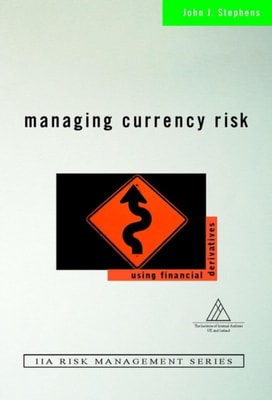
Control the number one cause of financial loss currency fluctuation With cross-border commerce now the global norm, companies must now face the greatest threat to their financial stability: financial losses due to currency fluctuations.
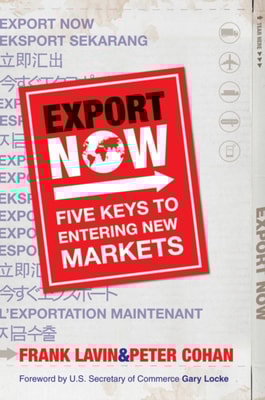
Learn how your business can tap into foreign markets In Export Now, two international business experts reveal the secrets to taking your company global.
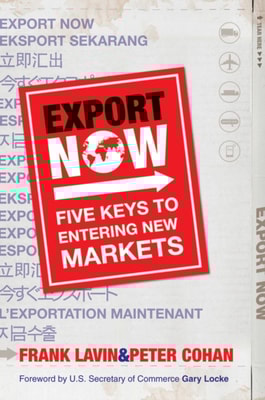
Learn how your business can tap into foreign markets In Export Now, two international business experts reveal the secrets to taking your company global.
THE ANTI-CORRUPTION HANDBOOK Today's demanding marketplace expects CFOs, auditors, compliance officers, and forensic accountants to take responsibility for fraud detection.
THE ANTI-CORRUPTION HANDBOOK Today's demanding marketplace expects CFOs, auditors, compliance officers, and forensic accountants to take responsibility for fraud detection.
Essential reading for IP managers and corporate executives, Innovate or Perish is a new road map equipping readers with the principles and tools needed for their companies to compete in the emerging creativity economy.
Since the world wine economy is rapidly changing, the importance of wine production is growing, requiring a new international collaboration, extensive research and an efficient way of teaching.
In modern countries, a company is commonly categorized as either public or privately-held, depending on whether securities are publicly traded on the open market, into a government-owned company or private company depending on government ownership, or a financial company or non-financial company depending on its main business, and so on.
In modern countries, a company is commonly categorized as either public or privately-held, depending on whether securities are publicly traded on the open market, into a government-owned company or private company depending on government ownership, or a financial company or non-financial company depending on its main business, and so on.
Combining an analysis of regionalism from a systemic view with a domestic political-economy analysis, this book sheds light on the new dynamics and emerging configurations of regionalisms and interregionalisms in the post-Trans-Pacific Partnership (TPP).
Combining an analysis of regionalism from a systemic view with a domestic political-economy analysis, this book sheds light on the new dynamics and emerging configurations of regionalisms and interregionalisms in the post-Trans-Pacific Partnership (TPP).