Nossas organizações, o que elas produzem, seus serviços oferecidos, seus processos, seus padrões, suas tecnologias e tudo que há de recursos dentro delas, não têm sentido, senão forem realizados por pessoas e para as pessoas.
Kaizen LSP(c) continuous improvement based on Lego(R) Serious Play(R) Create metaphors of your identities and narrate experiences within the Spaghetti Diagram, Benchmarking, Brainstorming, 5 Whys and SIPOC.
The content of this book consists of five main volumes, namely; Project Initiation, Scope Management, Cost Management, Time Management and Quality Management.
This book focuses on planning and scheduling for construction projects and presents field-site-based best practices related to schedule management and Primavera P6, and offers strategies that utilise scheduling methodologies and tools.
Businesses utilize various managerial processes focused on reducing waste, errors, and variability in products to maintain and improve business quality.
Freiberuflich Schreiben - Insider-Geheimnisse eines professionellen Ghostwriters von Richard G Lowe Jr Gut gemanagt und angemessen berechnet kann Ghostwriting eine der lukrativsten freiberuflichen Tätigkeiten als Autor darstellen.
Use this study guide to prepare for the Certified Associate in Project Management (CAPM) exam, based on PMBOK's sixth edition, administered by the Project Management Institute (PMI).
Learn the fundamentals of SAP Enterprise Project and Portfolio management Project Systems (PS), Portfolio and Project Management (PPM) and Commercial Project Management (CPM) and their integration with other SAP modules.
This book is an implementation guide for creating a Lean Culture from the ground up while gaining buy-in from key stakeholders and being able to sustain the results.
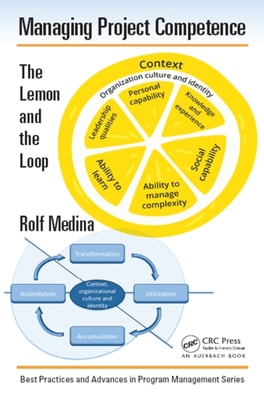
For companies to be successful, the management of an organization needs to understand how competence evolves and how it can be utilized and linked to the organization's goals.
This book provides techniques for offshore center managers and head office managers to motivate and manage globally distributed teams, which are spread across the offshore center and the head office, and thereby achieve higher productivity.
Innovation Project Management Handbook provides organizational leaders and decision-makers with a cadre of agile, disciplined, and transformational tools and processes for improving innovation opportunity outcomes and achieving sustained innovation project success.
Every CEO in the world, if questioned, will always complain that there are a lot of ideas to implement, but, unfortunately, insufficient resources to accomplish them.
The primary cause of many project failures is that responsible executives, because of their lack of knowledge in project management, fail to demand that their managers and staff properly utilize the well-proven best practices, processes, systems, and tools that are now available in this field.
Although software development is one of the most complex activities carried out by man, sound development processes and proper project management can help ensure your software projects are delivered on time and under budget.