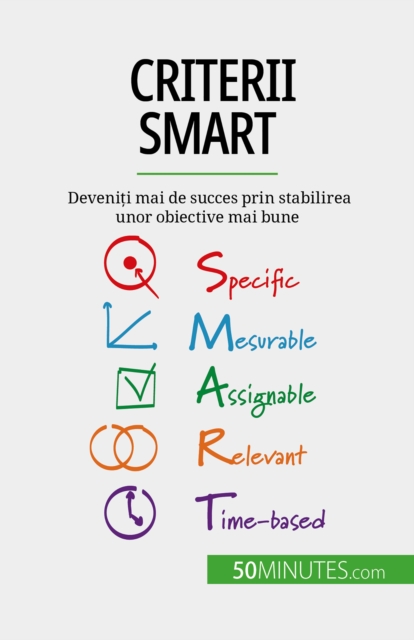
Înțelegeți esența criteriilor SMART (cunoscute și sub numele de obiective SMART, ținte SMART și metoda SMARTER) în doar 50 de minute cu această carte practică și concisă.
Angesichts der vielfältigen Herausforderungen, mit denen sich Organisationen heute konfrontiert sehen, werden Lösungen häufig in Management-Konzepten vermutet.
The Power of Mattering offers simple, straightforward guidance to ensure we create thriving, cooperative, and high-trust cultures in which people really feel like they matter.
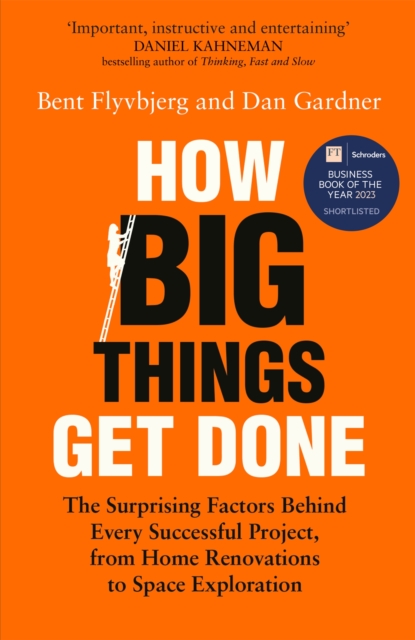
Best Books of the Year - The Financial Times and The EconomistShortlisted for the Financial Times and Schroders Business Book of the Year AwardWorld expert Bent Flyvbjerg and bestselling author Dan Gardner reveal the secrets to successfully planning and delivering ambitious projects on any scale.
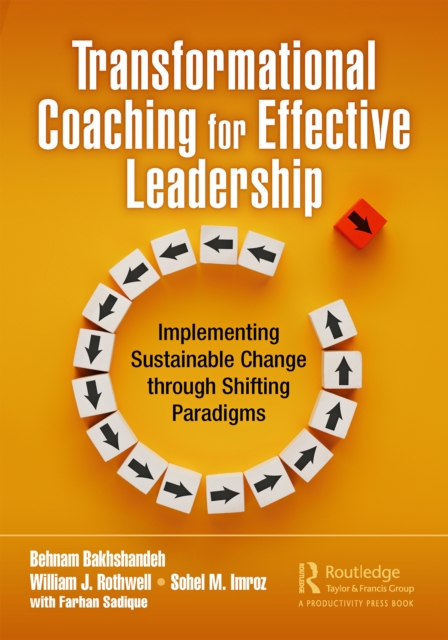
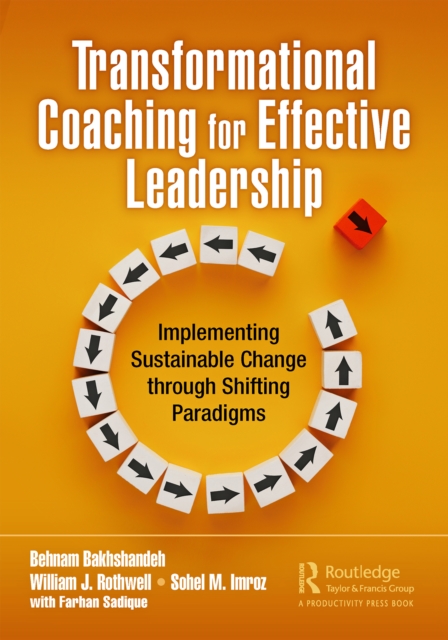
The purpose of this book is to introduce the concept of transformational coaching and to educate professional business coaches or mangers-as-coaches in their organizations on the influential and relevant elements of Transformational Coaching for Effective Leadership designed for coaching individuals, teams, and businesses or applying such elements in any level of organization development intervention, either toward individuals, teams, groups, departments, or the organization itself.
The purpose of this book is to introduce the concept of transformational coaching and to educate professional business coaches or mangers-as-coaches in their organizations on the influential and relevant elements of Transformational Coaching for Effective Leadership designed for coaching individuals, teams, and businesses or applying such elements in any level of organization development intervention, either toward individuals, teams, groups, departments, or the organization itself.
Shortlisted in the 2024 Business Book Awards (People, Culture & Management category)Toxic organizational cultures and leadership have led to major reputational failures, with the greatest impact felt by the people who dedicate their careers to working for these organizations.
Shortlisted in the 2024 Business Book Awards (People, Culture & Management category)Toxic organizational cultures and leadership have led to major reputational failures, with the greatest impact felt by the people who dedicate their careers to working for these organizations.
The obstacles facing all companies today were relatively nonexistent not too long ago--increasingly rapid and disruptive innovation, economic instability as we've never experienced before, environmental degradation, increasing stakeholder power, just to name a few--yet far too many companies are still mindlessly applying the old rules of business and expecting the same stellar results that last worked successfully for them literally a millennium ago!
As much as we may encourage our employees that they all have their own unique strengths that they need to embrace for the good of the business, the truth is a select few produce more, sell more, and flat-out deliver better results than anyone else.
This book taps into both success stories and cautionary tales from others to provide you with a smart, calculated approach to knowing both: 1) when to change course and 2) how to pull it off.
Indisputable evidence reveals that the greatest threat to America's economy isn't off-shoring labor, the need for downsizing, or unethical corporate practices--it's employee disengagement.
En Cómo lideran los mejores líderes, Brian Tracy revela las estrategias utilizadas por los altos ejecutivos y empresarios en todo el mundo, para lograr resultados asombrosos en mercados difíciles, contra determinada competencia.
Competency-based training is a unique approach to training design that builds and enhances individual competencies in line with previously identified profiles of success.
As learning professionals, we need to make sound decisions about which talent development strategies to pursue, ones that will provide the biggest benefit to our organization.