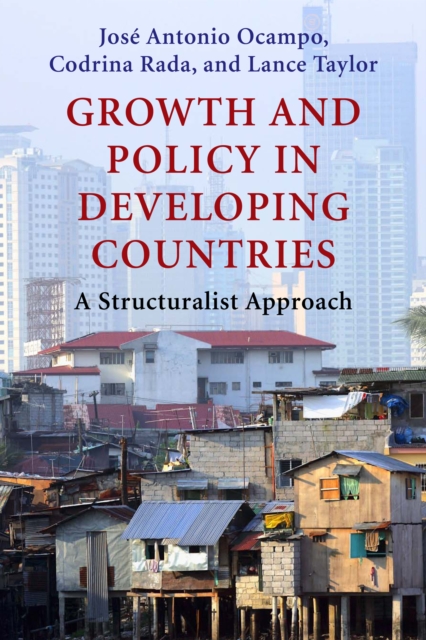
Economic structuralists use a broad, systemwide approach to understanding development, and this textbook assumes a structuralist perspective in its investigation of why a host of developing countries have failed to grow at 2 percent or more since 1960.
The Right to Know is a timely and compelling consideration of a vital question: What information should governments and other powerful organizations disclose?
Virtually all large-scale damage to the global environment is caused by economic activities, and the vast majority of economic planners in both business and government coordinate these activities on the basis of guidelines and prescriptions from neoclassical economic theory.
Community-based forest management (CBFM) is a model of forest management in which a community takes part in decision making and implementation, and monitoring of activities affecting the natural resources around them.
Focusing on the electronic media-television, radio, and the Internet-Audience Economics bridges a substantial gap in the literature by providing an integrated framework for understanding the various businesses involved in generating and selling audiences to advertisers.
A compelling argument for broad-based profit sharing and employee ownership in keeping with the economic vision of America’s Founders The idea of workers owning the businesses where they work is not new.
A comprehensive textbook that integrates tools from technology, economics, markets, and policy to approach energy issues using a dynamic systems and capital-centric perspective.
Stories of predatory lending practices and the reckless destruction of the environment by greedy corporations dominate the news, suggesting that, in business, ethics and profit are incompatible pursuits.
Author of the acclaimed work Iceberg Risk: An Adventure in Portfolio Theory, Kent Osband argues that uncertainty is central rather than marginal to finance.
Our interactive world can take a creative product, such as a Hollywood film, Bollywood song, or Latin American telenovela, and transform it into a source of cultural anxiety.
Digital technologies have fundamentally altered the nature and function of media in our society, reinventing age-old practices of public communication and at times circumventing traditional media and challenging its privileged role as gatekeepers of news and entertainment.
Rapid growth, reduced poverty, and stable societies: the announced benefits of the world economy celebrated by neoliberal proponents of "e;the Washington consensus"e; have failed to materialize.
An anthology Malcolm Gladwell has called "e;riveting and indispensable,"e; The Best Business Writing is a far-ranging survey of business's dynamic relationship with politics, culture, and life.
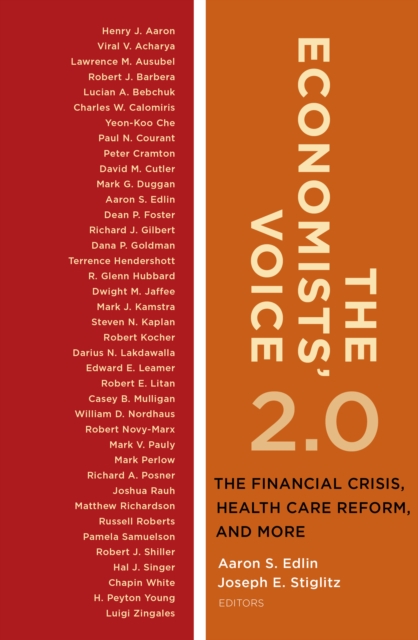
The Economists' Voice: Top Economists Take On Today's Problems featured a core collection of accessible, timely essays on the challenges facing today's global markets and financial institutions.
From the streets of Seattle to corporate boardrooms to new factories in third-world nations, globalization is subject to very different and often explosively divergent interpretations.
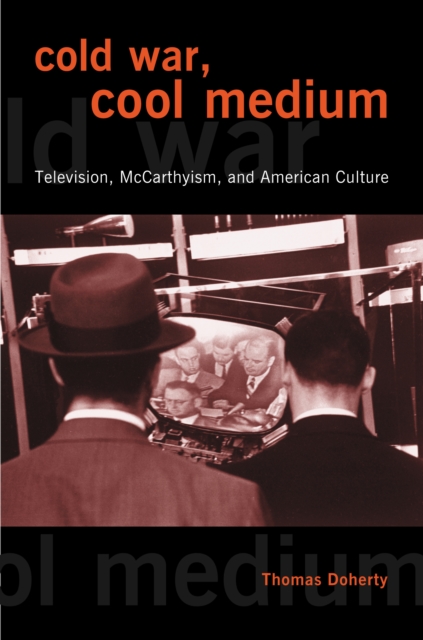
Conventional wisdom holds that television was a co-conspirator in the repressions of Cold War America, that it was a facilitator to the blacklist and handmaiden to McCarthyism.
Bill Grueskin, Ava Seave, and Lucas Graves spent close to a year tracking the reporting of on-site news organizations some of which were founded over a century ago and others established only in the past year or two and found in their traffic and audience engagement patterns, allocation of resources, and revenue streams ways to increase the profits of digital journalism.
The Right to Know is a timely and compelling consideration of a vital question: What information should governments and other powerful organizations disclose?