The African Link, first published in 1978, breaks new ground in the studies of pre-19th century racial prejudice by emphasizing the importance of the West African end of the slave trade.
Out of Slavery, first published in 1985, is a series of articles commissioned on the 150 year anniversary of William Wilberforce's death and the Act of Parliament abolishing British slavery in 1833.
Antislavery Political Writings, first published in 2004, presents the best speeches and writings of the leading American antislavery thinkers, activists and politicians in the years between 1830 and 1860.
Metaphors in the History of Economic Thought: Crises, Business Cycles and Equilibrium explores the evolution of economic theorizing through the lens of metaphors.
Metaphors in the History of Economic Thought: Crises, Business Cycles and Equilibrium explores the evolution of economic theorizing through the lens of metaphors.
This edited volume provides an in-depth exploration into the influential work of Wade Hands, examining the changing relationship between methodology and the history of economics in connection with contemporary developments in economics.
This edited volume provides an in-depth exploration into the influential work of Wade Hands, examining the changing relationship between methodology and the history of economics in connection with contemporary developments in economics.
Anglo-Chinese Encounters Before the Opium War: A Tale of Two Empires Over Two Centuries studies the fascinating encounters between the two historic empires from Queen Elizabeth I's first letter to the Ming Emperor Wanli in 1583, to Lord Palmerston's letter to the Minister of China in 1840.
Anglo-Chinese Encounters Before the Opium War: A Tale of Two Empires Over Two Centuries studies the fascinating encounters between the two historic empires from Queen Elizabeth I's first letter to the Ming Emperor Wanli in 1583, to Lord Palmerston's letter to the Minister of China in 1840.
This shortform book presents key peer-reviewed research selected by expert series editors and contextualised by new analysis from each author on different forms of organising British industry.
This shortform book presents key peer-reviewed research selected by expert series editors and contextualised by new analysis from each author on different forms of organising British industry.
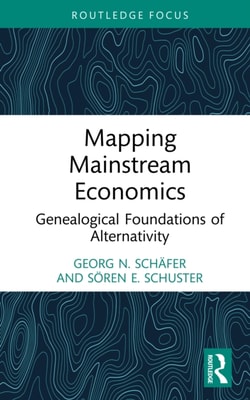
Mapping Mainstream Economics: Genealogical Foundations of Alternativity seeks to establish a definition of the mainstream economics, and by extension the alternatives to it, by adopting a genealogical approach: tracing the methodological development of the economic mainstream through its ancestry, which allows for a definition of the mainstream that is separate from politically charged categories or gridlocked academic arguments between received schools of thought.
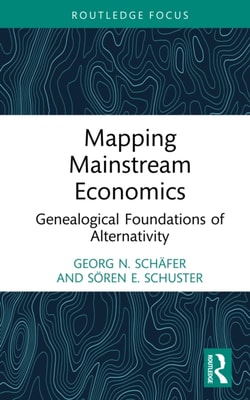
Mapping Mainstream Economics: Genealogical Foundations of Alternativity seeks to establish a definition of the mainstream economics, and by extension the alternatives to it, by adopting a genealogical approach: tracing the methodological development of the economic mainstream through its ancestry, which allows for a definition of the mainstream that is separate from politically charged categories or gridlocked academic arguments between received schools of thought.
Drawing on an interdisciplinary panel of contributors, this book presents a stimulating dialogue between economics and art theory and considers how this might aid our understanding of both areas of research.
Drawing on an interdisciplinary panel of contributors, this book presents a stimulating dialogue between economics and art theory and considers how this might aid our understanding of both areas of research.
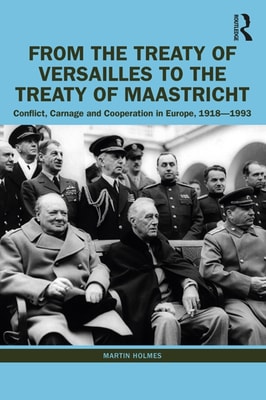
This book examines European history and politics between two very well-known but flawed treaties: The Treaty of Versailles and the Treaty of Maastricht.
This book examines European history and politics between two very well-known but flawed treaties: The Treaty of Versailles and the Treaty of Maastricht.
The Laboratory of Progress: Switzerland in the 19th Century tells the improbable story of how a small, backward, mountainous agricultural country with almost no raw materials became an industrial powerhouse, a hub of innovation, a touristic mecca and a pioneer in transportation - all in the course of a single century.
The Laboratory of Progress: Switzerland in the 19th Century tells the improbable story of how a small, backward, mountainous agricultural country with almost no raw materials became an industrial powerhouse, a hub of innovation, a touristic mecca and a pioneer in transportation - all in the course of a single century.
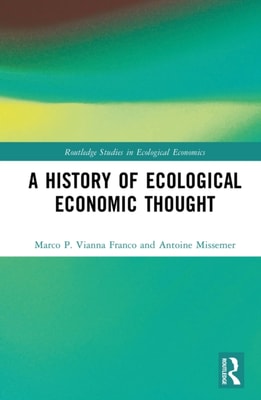
Contributing to a better understanding of contemporary issues of environmental sustainability from a historical perspective, this book provides a cohesive and cogent account of the history of ecological economic thought.
Contributing to a better understanding of contemporary issues of environmental sustainability from a historical perspective, this book provides a cohesive and cogent account of the history of ecological economic thought.
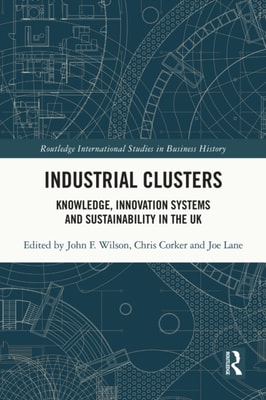
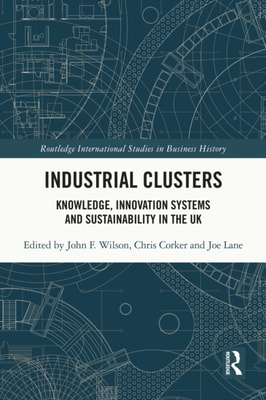
Industrial Clusters shows the latest state of knowledge on the topic of industrial clusters, with a particular focus on clustering in the UK, bringing together a chronological coverage of the phenomenon.
Industrial Clusters shows the latest state of knowledge on the topic of industrial clusters, with a particular focus on clustering in the UK, bringing together a chronological coverage of the phenomenon.
Classical Economics, Keynes and Money casts new light on an approach to economic theory and policy that combines the modern classical theory of prices and income distribution with a Keynesian analysis of money and finance.
Classical Economics, Keynes and Money casts new light on an approach to economic theory and policy that combines the modern classical theory of prices and income distribution with a Keynesian analysis of money and finance.