The Industrial Crisis (1933) examines the causes and effects of the Stock Market Crash of 1929, looking at the political causes and ramifications as well as the economic ones.
An Economic History of the British Building Industry 1815-1979 (1982) looks at the crucial role the building industry plays in the national economy, not only as a major direct contributor to GNP, but also its effect on a variety of areas from institutional finance to the DIY market.
An Economic History of the British Building Industry 1815-1979 (1982) looks at the crucial role the building industry plays in the national economy, not only as a major direct contributor to GNP, but also its effect on a variety of areas from institutional finance to the DIY market.
The Price Level (1935) looks at the mechanisms used by the government to control the trade balance and price level during the nineteenth century, and sets out the reasons why these measures were no longer suitable in the twentieth century.
British Economic Performance 1880-1980 (1985) consists of a collection of documents illustrating the development of the British economy in the twentieth century.
The Industrial Crisis (1933) examines the causes and effects of the Stock Market Crash of 1929, looking at the political causes and ramifications as well as the economic ones.
British Economic Performance 1880-1980 (1985) consists of a collection of documents illustrating the development of the British economy in the twentieth century.
The Price Level (1935) looks at the mechanisms used by the government to control the trade balance and price level during the nineteenth century, and sets out the reasons why these measures were no longer suitable in the twentieth century.
Victorian Women's Travel Writing and the Female-Capitalist Gaze argues that female travellers both informed and expanded upon Victorian debates surrounding the role of art, and art production, as a nexus of political-economic progress and cultural identity.
Covering Maffeo Pantaleoni's key areas of contribution to economics, this book provides a comprehensive study of one of the foremost economic thinkers of the late 19th and early 20th centuries.
From the role of sugar in the early history of the colonial era to coffee in the long nineteenth century, commodities have played a crucial role in the development of the Brazilian economy.
Covering Maffeo Pantaleoni's key areas of contribution to economics, this book provides a comprehensive study of one of the foremost economic thinkers of the late 19th and early 20th centuries.
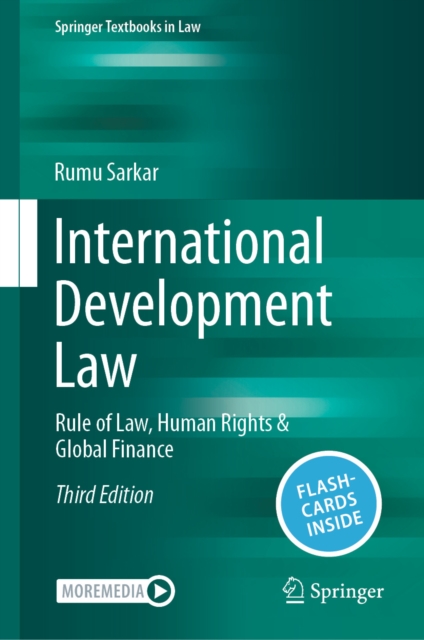
This textbook describes how international development functions, its shortcomings, its theoretical and practical foundations, along with prescriptions for the future.
This textbook describes how international development functions, its shortcomings, its theoretical and practical foundations, along with prescriptions for the future.
From the role of sugar in the early history of the colonial era to coffee in the long nineteenth century, commodities have played a crucial role in the development of the Brazilian economy.
From a narrow technological and economic point of view, the industrial revolution is regarded as the process by which a society gains control of vast sources of energy and thereby experiences accelerated economic growth.
In an era defined by profound political, economic, and cultural upheaval-termed the "e;polycrisis"e;-this book tackles one of the most pressing ethical-political issues of our time: the stalemate in collective action aimed at promoting solidarity and common goods.
In an era defined by profound political, economic, and cultural upheaval-termed the "e;polycrisis"e;-this book tackles one of the most pressing ethical-political issues of our time: the stalemate in collective action aimed at promoting solidarity and common goods.
This book is a historical study of the rice policies of the government in the Kingdom of Thailand between the years from 1932 to 1960 in the context of the rice shortage and global economic crises of the Great Depression and World War II.
This book is a historical study of the rice policies of the government in the Kingdom of Thailand between the years from 1932 to 1960 in the context of the rice shortage and global economic crises of the Great Depression and World War II.