Taking a multidisciplinary and global approach, this edited book examines the dynamic role of plantations as productive, socio-political and ecological forms throughout imperial and post-colonial worlds spanning multiple and broad temporalities.
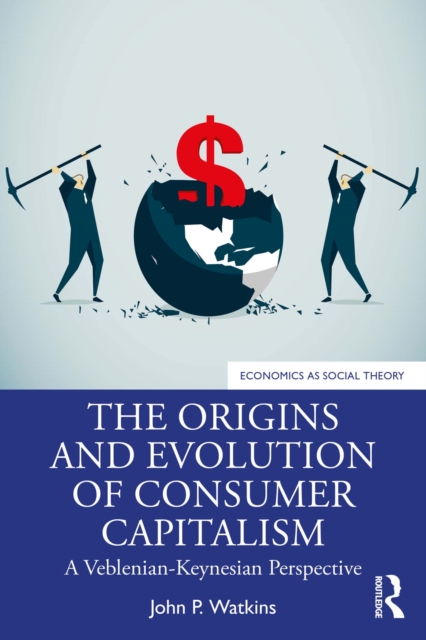
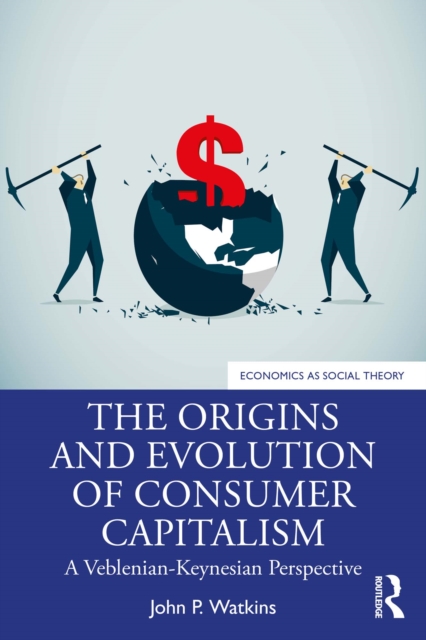
Consumer capitalism arose with the second industrial revolution, the application of continuous-mass production to consumer goods during the late nineteenth and early twentieth centuries.
Consumer capitalism arose with the second industrial revolution, the application of continuous-mass production to consumer goods during the late nineteenth and early twentieth centuries.
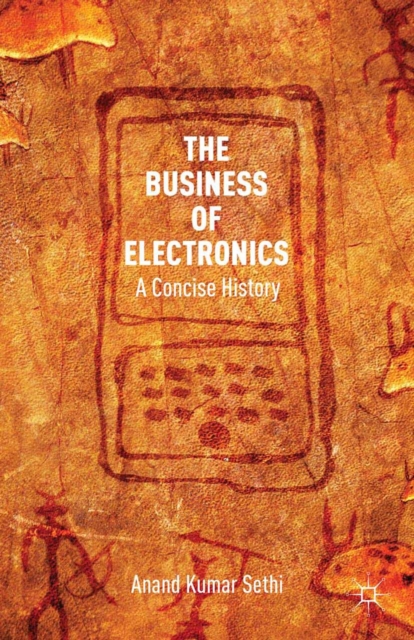
Electronics is an ever-changing field with an entrepreneurial spirit and a rich history, populated by some of the world's most famous companies and personalities.
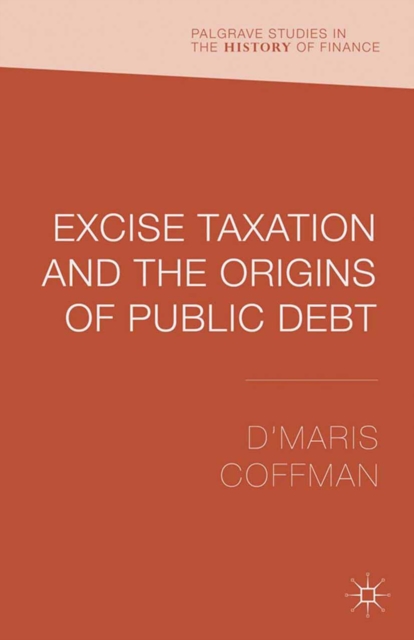
This book offers a wholesale reinterpretation of both the introduction of excise taxation in Great Britain in the 1640s and the genesis of the Financial Revolution of the 1690s.
Written on the occasion of the 50th anniversary of the publication of Piero Sraffa's Production of Commodities by Means of Commodities, the papers selected and contained in Sraffa and the Reconstruction of Economic Theory account for the work completed around the two central aspects of his contribution to economic analysis, namely the criticism of the neoclassical (or marginalist) theory of value and distribution, and the reconstruction of economic theory along the lines of the Classical approach.
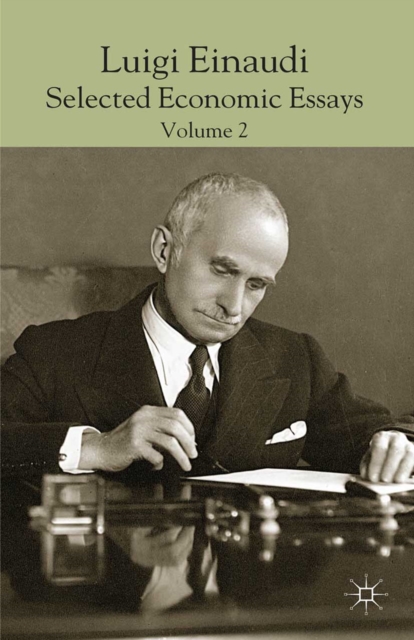
Luigi Einaudi (1874-1961) was a leading liberal Italian economist, economic historian and political figure: Governor of the Bank of Italy, Minister for the Budget and President of the Italian Republic.
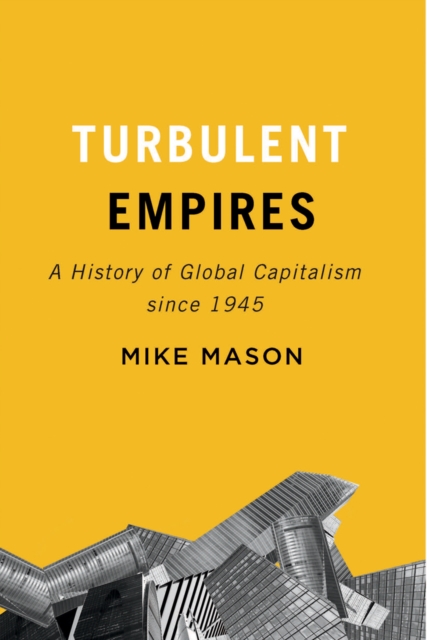
As Europe rebuilt after the devastation of the Second World War, the former colonies of the major imperial powers sought their independence at the same time that the United States extended its economic and political power globally.
As Europe rebuilt after the devastation of the Second World War, the former colonies of the major imperial powers sought their independence at the same time that the United States extended its economic and political power globally.
Tracing the origins of modern political thought through three sets of arguments over history, morality, and freedomIn this wide-ranging work, Michael Sonenscher traces the origins of modern political thought and ideologies to a question, raised by Immanuel Kant, about what is involved in comparing individual human lives to the whole of human history.
History of Nigeria (1969) was first published in 1929 and completely revised by its author, and gives the history of Nigeria from before its first encounters with the British, through colonial rule, and up to independence in 1960.
Colonialism and Underdevelopment in Ghana (1978) examines Ghana's integration into the world economic system, and the effects which such integration had on its development.
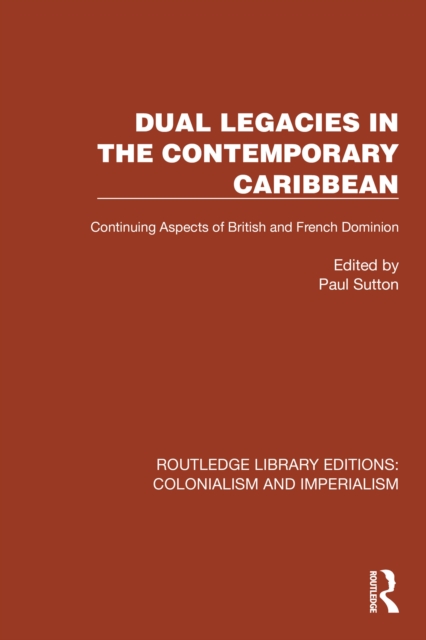
Dual Legacies in the Contemporary Caribbean (1986) is a comparative and systematic study of the legacies bequeathed by British and French colonial rule in the Caribbean.
During the first half of the twentieth century, Canadian fisheries regularly produced more fish than markets could absorb, driving down profits and wages.
Dual Legacies in the Contemporary Caribbean (1986) is a comparative and systematic study of the legacies bequeathed by British and French colonial rule in the Caribbean.
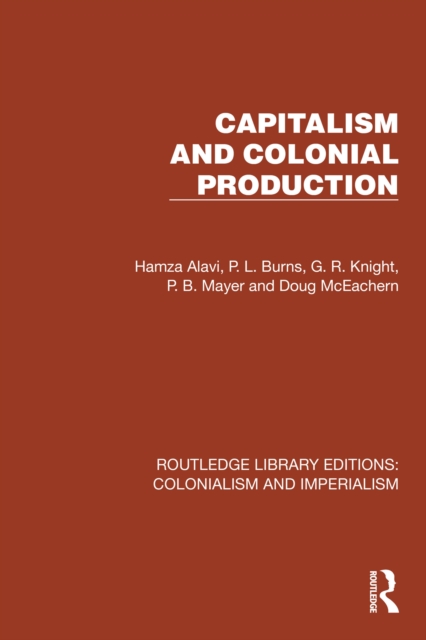
Capitalism and Colonial Production (1982) examines the ways in which capitalism has transformed the societies it came to dominate, and the link between colonialism and capitalism.
Capitalism and Colonial Production (1982) examines the ways in which capitalism has transformed the societies it came to dominate, and the link between colonialism and capitalism.
British Imperialism and Australia (1939) looks at the early economic history of Australia, which towards the end of the period under review became an important field of British Imperial development.
British Imperialism and Australia (1939) looks at the early economic history of Australia, which towards the end of the period under review became an important field of British Imperial development.
Colonialism and Underdevelopment in Ghana (1978) examines Ghana's integration into the world economic system, and the effects which such integration had on its development.
History of Nigeria (1969) was first published in 1929 and completely revised by its author, and gives the history of Nigeria from before its first encounters with the British, through colonial rule, and up to independence in 1960.
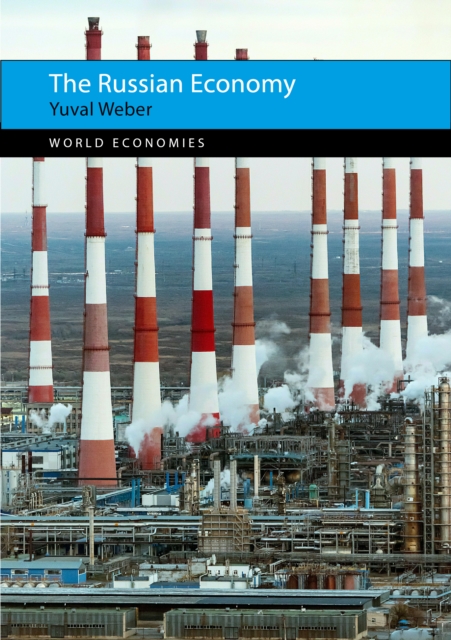
Since Tsarist times, Russia's leaders, rather than pursue economic growth for its own sake, have sought control over economic activity as a means to manage their own support base, respond to perceived security threats and to facilitate their wider geopolitical ambitions.
This book analyses the transformation in 16th- and 17th- century English economic life that overturned the traditional restraints of the medieval economy for the commercial ethos that governs the modern world, and the resulting imbalance which opened the way to the environmental breakdown of today.
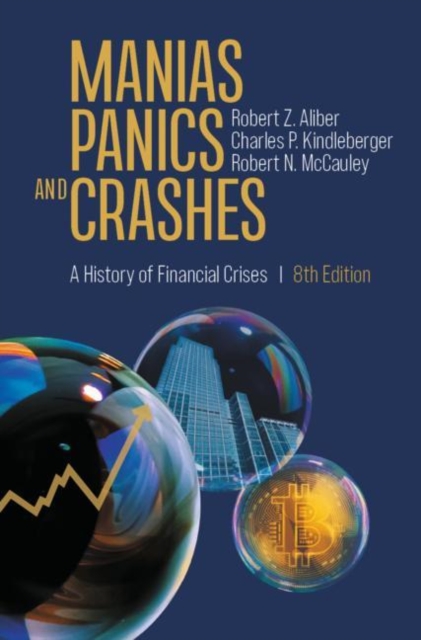
In the Eighth Edition of this classic text on the financial history of bubbles and crashes, Robert McCauley joins with Robert Aliber in building on Charles Kindleberger's renowned work.
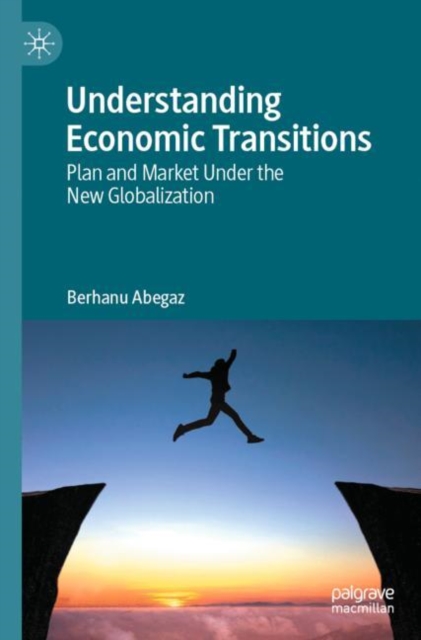
Understanding Economic Transitions explains the genesis, operation, and transformation of the centrally-planned socialist economy, which figured prominently in the lives of billions of people in twentieth-century Europe and Asia.
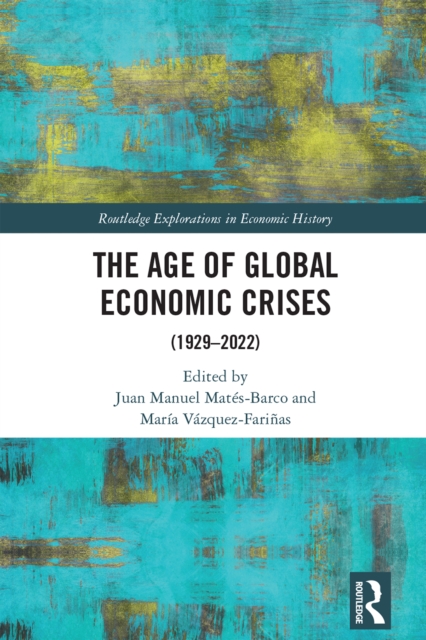
The frequency and repetition of economic crises over the last hundred years demands an analysis that allows us to discover the root causes of these situations and the problems they have generated in the world economy.
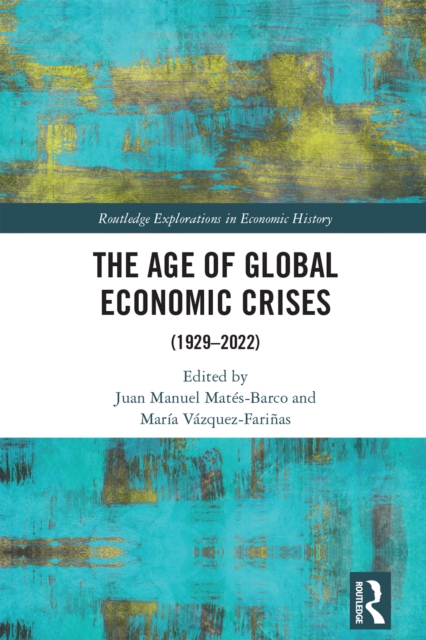
The frequency and repetition of economic crises over the last hundred years demands an analysis that allows us to discover the root causes of these situations and the problems they have generated in the world economy.