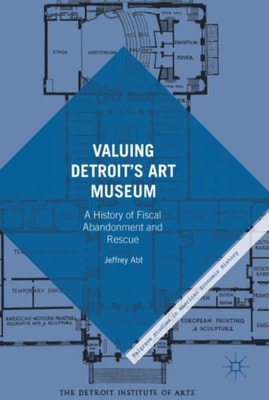
This book explores the perilous situation that faced the Detroit Institute of Arts during the city's bankruptcy, when creditors considered it a "e;nonessential asset"e; that might be sold to settle Detroit's debts.
This edited collection explores the histories of trade, a peculiar literary genre that emerged in the context of the historiographical and cultural changes promoted by the histoire philosophique movement.
This book brings together for the first time more than half a dozen proposals for an imperial paper currency in the mid-eighteenth century British Atlantic, to show how manage colonial currency and banking in the expanding empire.
This volume of intellectual biography records the work of Michal Kalecki's maturity: his work on monetary economics and the theory of profits; his work on the problems of socialism and developing countries; and the extension of his theory of capitalism to define his work in relation to Keynes and previous political economic principles.
Exploring the rise and fall of global power from the mid-nineteenth century, this book tracks the long and interrelated trajectories of the most serious challenges facing the world today.
This book explores the interaction between business and the system of taxation in Greece, from the mid-1950s up to 2008, the year that marked the eve of the economic crisis the country faced in the aftermath of the international financial crisis of 2007.
Die Studie untersucht am Beispiel der Königlichen Porzellan-Manufaktur und der Königlichen Gesundheits-Manufaktur die Arbeits- und Machtbeziehungen in zentralisierten Großbetrieben vor und während der Industrialisierung in Preußen.
Located within the plantation economy model of the "e;New World Group"e; of The University of the West Indies, this book explores how the changes in the European Union's sugar regime impacted a sugar-dependent community in Jamaica.
This book examines failure in the urbanisation of Northwest China as a result of government industrial policies that have impacted on the economic development of the region.
Der Sammelband untersucht - in Deutschland erstmalig - die Entwicklung von Korruptionspraktiken und -debatten von der Frühen Neuzeit bis in die Gegenwart.
Die Wirtschaft im Deutschen Kaiserreich wurde in vielen Industriezweigen durch Kartelle geprägt, die seinerzeit eine legale Form der unternehmensübergreifenden Zusammenarbeit waren.
Die Wirtschaft im Deutschen Kaiserreich wurde in vielen Industriezweigen durch Kartelle geprägt, die seinerzeit eine legale Form der unternehmensübergreifenden Zusammenarbeit waren.
Bis 1953 war der gesamte Nordosten der UdSSR (die Kolyma bis zur Beringstraße mit der Hauptstadt Magadan) als "großes Lager" konzipiert: Seine Durchdringung und Ausbeutung erfolgte ausschließlich durch Zwangsarbeit, beherrscht von den Organen der Geheimpolizei (NKVD-MVD).
Bis 1953 war der gesamte Nordosten der UdSSR (die Kolyma bis zur Beringstraße mit der Hauptstadt Magadan) als "großes Lager" konzipiert: Seine Durchdringung und Ausbeutung erfolgte ausschließlich durch Zwangsarbeit, beherrscht von den Organen der Geheimpolizei (NKVD-MVD).
Mit einem Anteil von knapp 23 % war Erdgas 2016 nach dem Mineralöl der zweitwichtigste Primärenergieträger in Deutschland und übertraf damit noch den Gesamtwert der Kohle.
Im Zeitalter des Kalten Krieges und der Dekolonisierung wurden die Außenwirtschaftsbeziehungen beider deutscher Staaten vor allem durch politisch-strategische Ziele beeinflusst.
Mit einem Anteil von knapp 23 % war Erdgas 2016 nach dem Mineralöl der zweitwichtigste Primärenergieträger in Deutschland und übertraf damit noch den Gesamtwert der Kohle.