Populism and Neoliberalism argues that the roots of populism lay in the contradiction between the democratic ideal, which implies that the people should decide, and neoliberal governance, which seeks to make markets and competition the arbiters of major social developments.
This edited volume explores the opportunities and challenges facing the European Union in the future from different disciplines and assesses the EU's prospects across various policy areas.
This edited volume explores the opportunities and challenges facing the European Union in the future from different disciplines and assesses the EU's prospects across various policy areas.
Mainstream economics offers a perspective on the gift which is constructed around exchange, axioms of self-interest, instrumental rationality and utility-maximisation - concepts that predominate within conventional forms of economic analysis.
Mainstream economics offers a perspective on the gift which is constructed around exchange, axioms of self-interest, instrumental rationality and utility-maximisation - concepts that predominate within conventional forms of economic analysis.
This book explores, through an ethnographic examination of life stories of wealthy men, a historical analysis of the moral meanings of wealth and power in Western capitalism, and a mapping of different symbolic spaces in contemporary American culture.
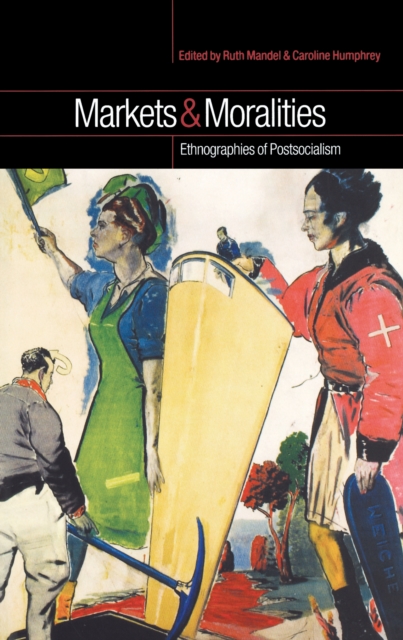
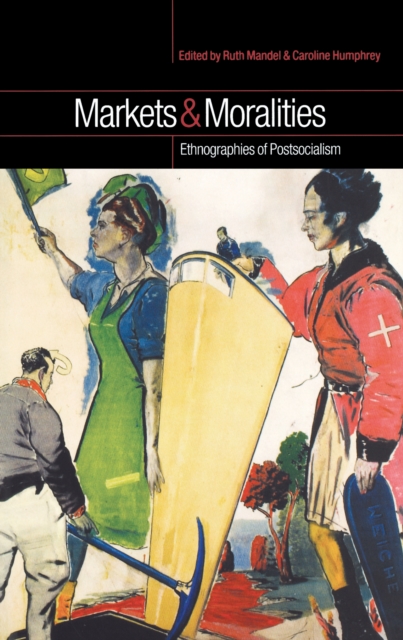
Initial excitement in the West over the reform of Soviet communism under Gorbachev and then euphoria over the disintegration of the USSR have now been replaced by concern, controversy, and sometimes despair over prospects for democracy and a marlcet economy in the countries of the former Soviet Union.
This book highlights that Soviet economic planners and politicians must come to recognize the need to make fundamental changes, not simply incremental refinements, in the failing Soviet system.
This volume provides an evaluation of initial efforts to convert post-Soviet Russian industry from that of a highly-centralized, military-oriented economy to that of a civilian economy with a stronger base in private enterprise.
Much research into the economics of socialist planned economies has emphasized macroeconomic issues central to setting and meeting macroeconomic goals, and research on the theory of the firm in capitalist economies is not generally relevant to socialist economies.
Now that the euphoria over political change has died down, the formerly socialist countries of Eastern and Central Europe are facing an economic crisis.
The economic system of the Soviet Union is of vital interest not merely because the USSR is a world superpower but also because the Soviets offer their economic development strategy and system as a model to Third World nations seeking rapid development and social change.
This book suggests some of the ways in which levels of development shape public sector reform and privatization in developed and developing countries, showing that conservative as well as socialist governments were committed to increasing the state's guiding role in the political economy.
In the tradition of Milton Friedman's 1962 classic, Capitalism and Freedom, Lansing Pollock draws on moral, political, and economic theory to defend a libertarian vision of the good society.
The first study in the Western world to compare the relationship between food and politics in the countries of Eastern Europe, this book views the current food revolution as part of the modernization process.
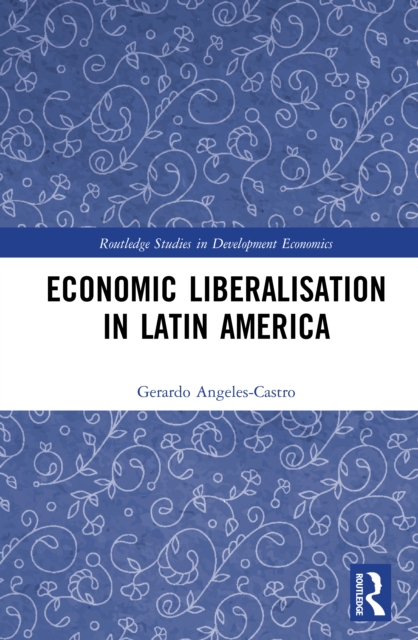
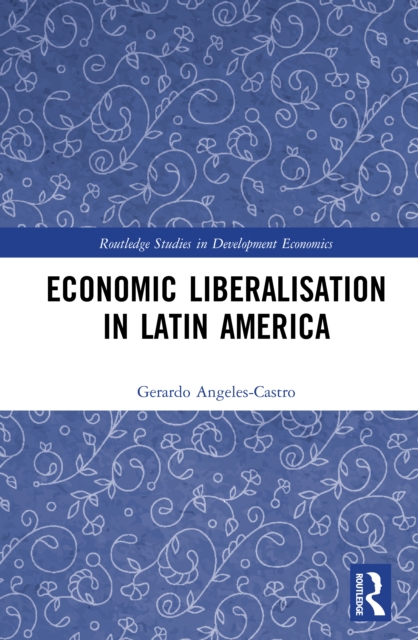
This book explores the process of economic liberalisation in Latin America and revises the transition from the import substitution industrialisation model to market-oriented reforms.
This book explores the process of economic liberalisation in Latin America and revises the transition from the import substitution industrialisation model to market-oriented reforms.
This book explores, through an ethnographic examination of life stories of wealthy men, a historical analysis of the moral meanings of wealth and power in Western capitalism, and a mapping of different symbolic spaces in contemporary American culture.
Initial excitement in the West over the reform of Soviet communism under Gorbachev and then euphoria over the disintegration of the USSR have now been replaced by concern, controversy, and sometimes despair over prospects for democracy and a marlcet economy in the countries of the former Soviet Union.
This book highlights that Soviet economic planners and politicians must come to recognize the need to make fundamental changes, not simply incremental refinements, in the failing Soviet system.
Much research into the economics of socialist planned economies has emphasized macroeconomic issues central to setting and meeting macroeconomic goals, and research on the theory of the firm in capitalist economies is not generally relevant to socialist economies.
This volume provides an evaluation of initial efforts to convert post-Soviet Russian industry from that of a highly-centralized, military-oriented economy to that of a civilian economy with a stronger base in private enterprise.
Now that the euphoria over political change has died down, the formerly socialist countries of Eastern and Central Europe are facing an economic crisis.
The economic system of the Soviet Union is of vital interest not merely because the USSR is a world superpower but also because the Soviets offer their economic development strategy and system as a model to Third World nations seeking rapid development and social change.
This book suggests some of the ways in which levels of development shape public sector reform and privatization in developed and developing countries, showing that conservative as well as socialist governments were committed to increasing the state's guiding role in the political economy.
In the tradition of Milton Friedman's 1962 classic, Capitalism and Freedom, Lansing Pollock draws on moral, political, and economic theory to defend a libertarian vision of the good society.
The first study in the Western world to compare the relationship between food and politics in the countries of Eastern Europe, this book views the current food revolution as part of the modernization process.
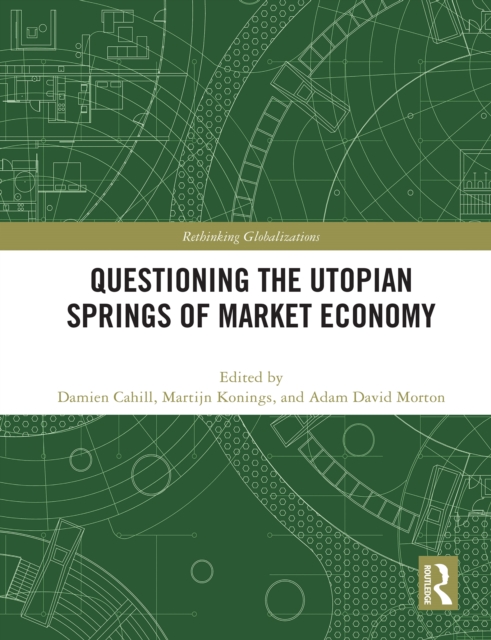
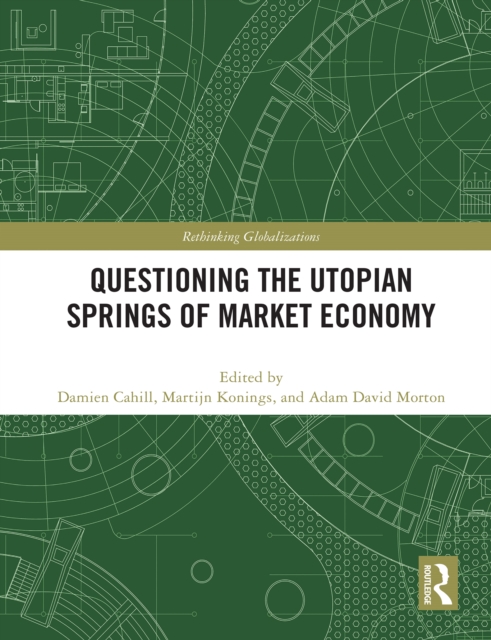
Revisiting the magnetic poles of Karl Polanyi and Friedrich Hayek on the utopian springs of political economy, this book seeks to provide a compass for questioning the market economy of the twenty-first century.
Revisiting the magnetic poles of Karl Polanyi and Friedrich Hayek on the utopian springs of political economy, this book seeks to provide a compass for questioning the market economy of the twenty-first century.
This volume offers insights into ongoing global socioeconomic transformations by directing attention to the significance of labour, work, craft, community, social institutions, social movements and emergent subjectivities in different parts of the world.