This volume offers insights into ongoing global socioeconomic transformations by directing attention to the significance of labour, work, craft, community, social institutions, social movements and emergent subjectivities in different parts of the world.
The recognition is growing: truly addressing the problems of the 21st century requires going beyond small tweaks and modest reforms to business as usuala "e;it requires "e;changing the system.
The recognition is growing: truly addressing the problems of the 21st century requires going beyond small tweaks and modest reforms to business as usuala "e;it requires "e;changing the system.
By using the concept of capitalism as a "e;form of life"e;, the authors in this volume reconceive capitalism, its mechanisms and effects on our bodies and on our common life.
By using the concept of capitalism as a "e;form of life"e;, the authors in this volume reconceive capitalism, its mechanisms and effects on our bodies and on our common life.
Financing the Global Environment examines the financial techniques and strategies necessary to obtain funding to undertake infrastructure and environmental projects.
Financing the Global Environment examines the financial techniques and strategies necessary to obtain funding to undertake infrastructure and environmental projects.
The Corporate Rich and the Power Elite in the Twentieth Century demonstrates exactly how the corporate rich developed and implemented the policies and created the government structures that allowed them to dominate the United States.
Work Under Capitalism synthesizes recent institutionalist and Marxist ideas about the organization of production, situating production within a social context.
The Corporate Rich and the Power Elite in the Twentieth Century demonstrates exactly how the corporate rich developed and implemented the policies and created the government structures that allowed them to dominate the United States.
Work Under Capitalism synthesizes recent institutionalist and Marxist ideas about the organization of production, situating production within a social context.
This volume is a successor of sorts to the Institute's 1986 volume Toward Renewed Economic Growth in Latin America, which blazed the trail for the market-oriented economic reforms that were adopted in Latin America in the subsequent years.
Europe grew rapidly for many years, but now, faced with greater challenges, several of the large economies in Europe have either failed to generate enough jobs or have failed to achieve the highest levels of productivity or both.
Roughly once a year, the managing director of the International Monetary Fund, the US treasury secretary and in some cases the finance ministers of other G-7 countries will get a call from the finance minister of a large emerging market economy.
PLEASE NOTE THIS IS AN NJR AND BLURB SHOULD NOT BE USED IN ITS RAW FORM:This book considers the social, economic and political consequences of Poland's transition from socialism to capitalism.
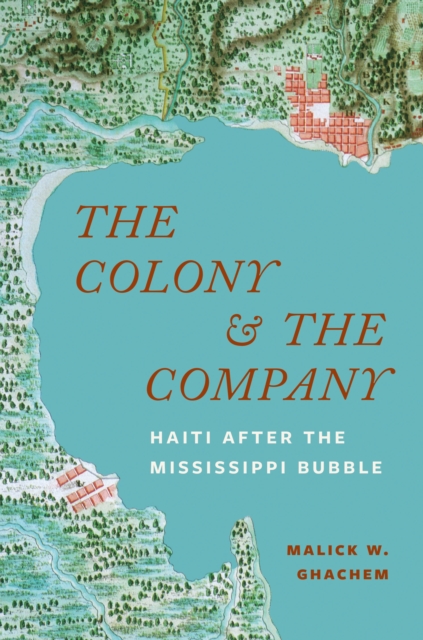
A new account of how Haiti under French colonial rule became a violent sugar plantation stateIn the early eighteenth century, France turned to its New World colonies to help rescue the monarchy from the wartime debts of Louis XIV.
The neoliberal project in the West has created an increasingly polarized and impoverished world, to the point that the vast majority of its citizens require liberation from their present socioeconomic circumstances.
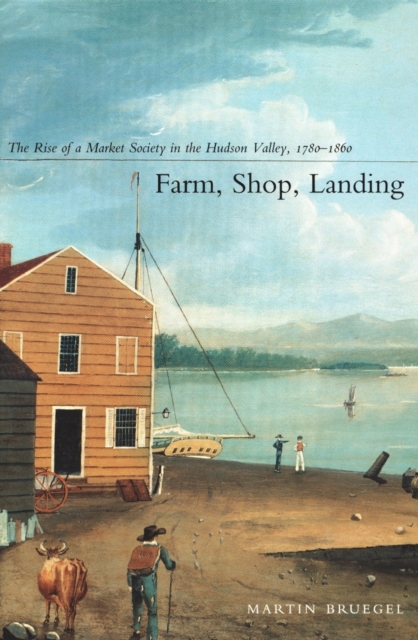
At the turn of the nineteenth century, when the word "e;capital"e; first found its way into the vocabulary of mid-Hudson Valley residents, the term irrevocably marked the profound change that had transformed the region from an inward-looking, rural community into a participant in an emerging market economy.
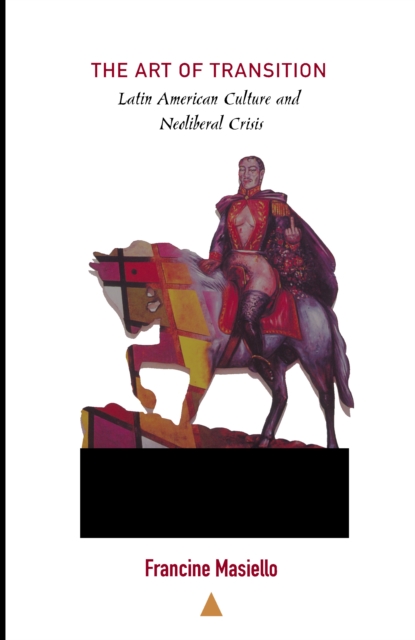
The Art of Transition addresses the problems defined by writers and artists during the postdictatorship years in Argentina and Chile, years in which both countries aggressively adopted neoliberal market-driven economies.
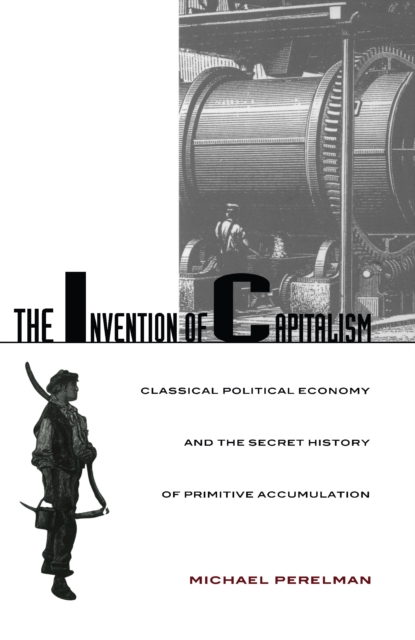
The originators of classical political economy-Adam Smith, David Ricardo, James Steuart, and others-created a discourse that explained the logic, the origin, and, in many respects, the essential rightness of capitalism.
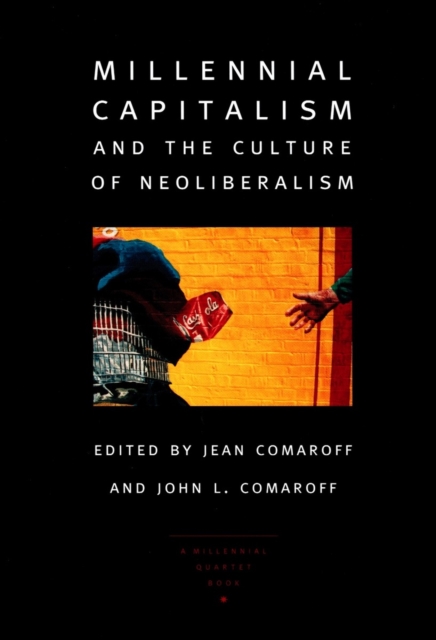
The essays in Millennial Capitalism and the Culture of Neoliberalism pose a series of related questions: How are we to understand capitalism at the millennium?
A Brookings Institution Press and American Enterprise Institute publicationWhen should government intervene in market activity and when is it best to let market forces take their natural course?
The still chaotic states of the former Soviet Union, a growing China, and the divergent nations of Eastern Europe are striving to radically transform their economies.
Addressing the big questions about how technological change is transforming economies and societiesRapid technological change-likely to accelerate as a consequence of the COVID-19 pandemic-is reshaping economies and how they grow.
A World Bank, International Monetary Fund, and Brookings Institution publicationMore than three years have elapsed since the East Asian financial crisis erupted, threatening economic and financial stability in the region and beyond.
With one side of the political aisle proposing increasingly more socialistic and anti-capitalistic ideas, the other side has been quick to defend our country's great economic model, with good reason.
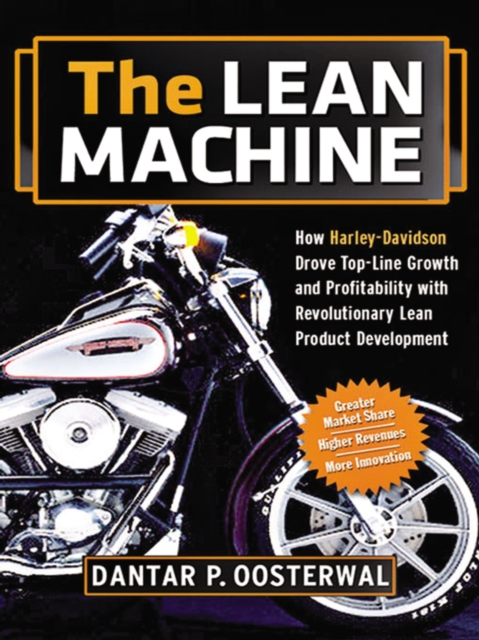
In this insider guide, former Harley-Davidson executive Dantar Oosterwal offers an exclusive look at how Harley-Davidson was able to adapt in an ever-changing world to stay on top and stay in existence.
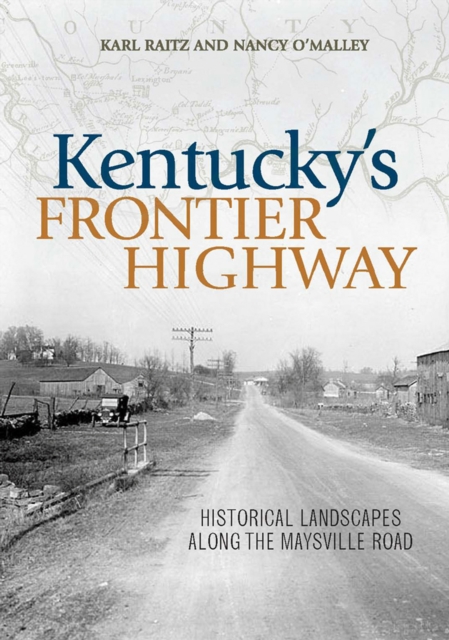
"e;A remarkable historical and geographical study"e; of a road linking Lexington and Maysville, Kentucky, and its influence on America (West Virginia History).