As large-scale industrial agriculture comes under increasing scrutiny because of its petroleum- and petrochemical-based input costs and environmentally objectionable consequences, increasing attention has been focused on sustainable, local, and agro-ecological techniques in food production.
A timely synthesis of the latest research and perspectives on ancient Maya economics, this volume illuminates the sophistication and intricacy of economic systems in the Preclassic, Classic, and Postclassic periods.
Money from Nothing explores the dynamics surrounding South Africa's national project of financial inclusion-dubbed "e;banking the unbanked"e;-which aimed to extend credit to black South Africans as a critical aspect of broad-based economic enfranchisement.
The global financial crisis and recession have placed great strains on the free market ideology that has emphasized economic objectives and unregulated markets.
The complex relationship between subsistence practices and formal markets should be a growing matter of concern for those uneasy with the stark contrast between commercial and local food systems, especially since self-provisioning has never been limited to the margins.
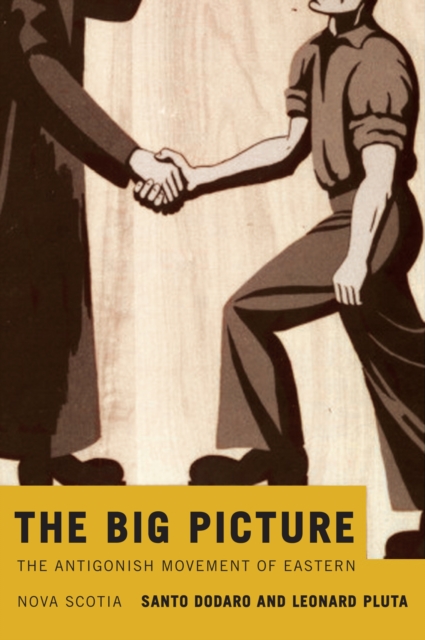
In the 1930s, when the competitive, free market system lay in ruins and the competing systems of fascism and communism were gaining strength, the Antigonish Movement emerged offering a "e;middle way.
Ecosocialism: Climate Change, Socialism and Democracy maps out a political path for green transition which is both desirable and practicable - without avoiding its difficulties - giving the fight for climate justice real mobilising power.
When the first rumblings of the coming financial crisis were heard in August 2007, three men who were never elected to public office suddenly became the most powerful men in the world.
In this enormously influential book, Jurgen Habermas examines the deep tensions and crisis tendencies which underlie the development of contemporary Western societies and develops a powerful analysis of the legitimation problems faced by modern states.
As we struggle with the legacy of the crisis and with the prospect of accelerating environmental degradation, it is time to ask not what we can do for capitalism but what capitalism can do for us, as citizens of a democratic society.
Recent years have seen an enormous increase in protests across the world in which citizens have challenged what they see as a deterioration of democratic institutions and the very civil, political and social rights that form the basis of democratic life.
Capitalism is the only complex system known to us that can provide an efficient and innovative economy, but the financial crisis has brought out the pernicious side of capitalism and shown that it remains dependent on the state to rescue it from its own deficiencies.
This volume examines how urban potentiality emerges in performances that reclaim the city, acting as an emancipatory force when dominant patterns of urban behaviour are thrown into crisis.
Create the personalized and compelling experiences that today's customers expect by harnessing AI and digital technologies to create smart connected products, with this cutting-edge guide from senior leaders at Accenture.
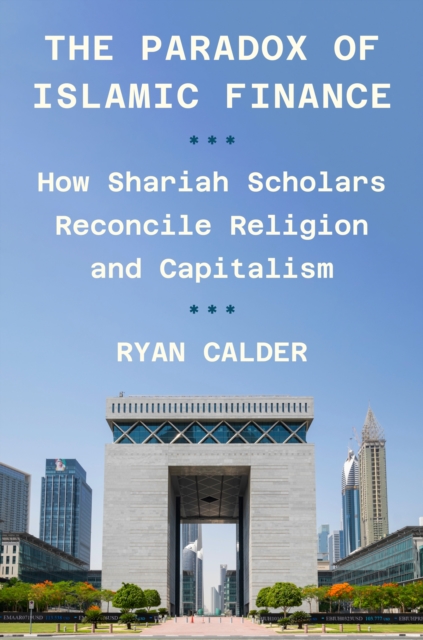
How the booming Islamic finance industry became an ultramodern hybrid of religion and marketsIn just fifty years, Islamic finance has grown from a tiny experiment operated from a Volkswagen van to a thriving global industry worth more than the entire financial sector of India, South America, or Eastern Europe.
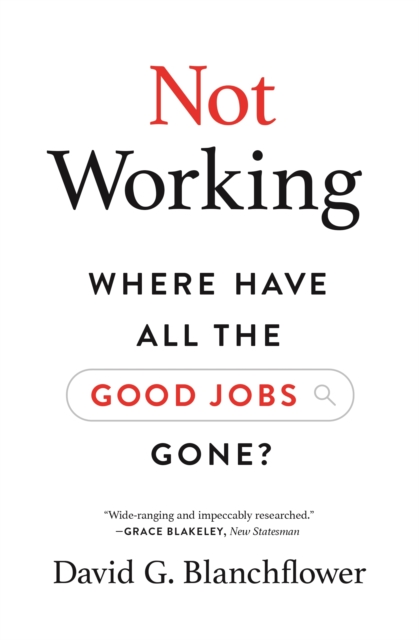
A candid explanation of how the labor market really works and is central to everything-and why it is not as healthy as we thinkRelying on unemployment numbers is a dangerous way to gauge how the labor market is doing.
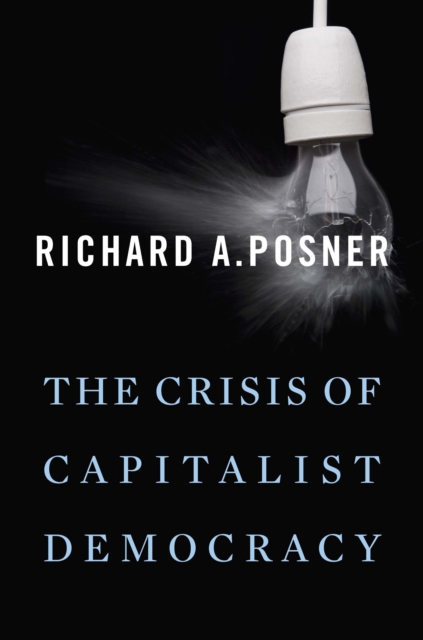
Following his timely and well-received A Failure of Capitalism, Richard Posner steps back to take a longer view of the continuing crisis of democratic capitalism as the American and world economies crawl gradually back from the depths to which they had fallen in the autumn of 2008 and the winter of 2009.
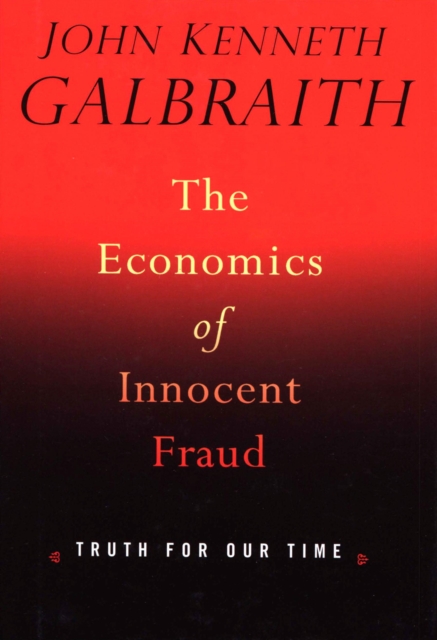
John Kenneth Galbraith has long been at the center of American economics, in key positions of responsibility during the New Deal, World War II, and since, guiding policy and debate.
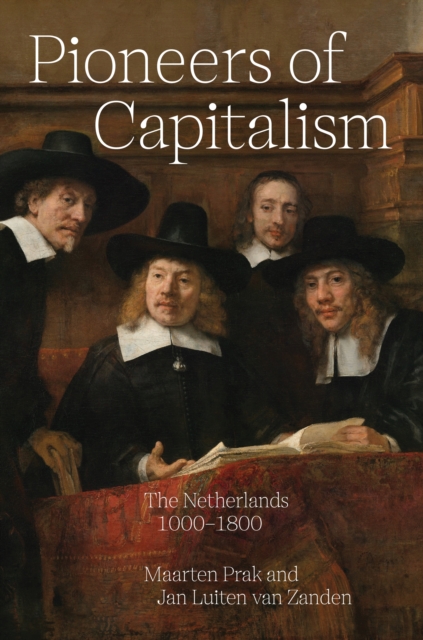
How medieval Dutch society laid the foundations for modern capitalismThe Netherlands was one of the pioneers of capitalism in the Middle Ages, giving rise to the spectacular Dutch Golden Age while ushering in an era of unprecedented, long-term economic growth.
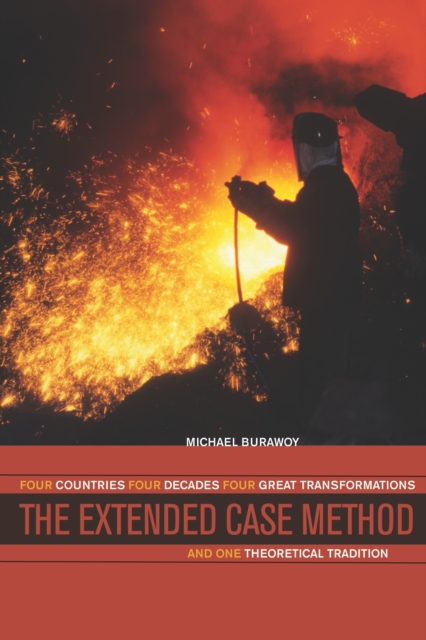
In this remarkable collection of essays, Michael Burawoy develops the extended case method by connecting his own experiences among workers of the world to the great transformations of the twentieth century-the rise and fall of the Soviet Union and its satellites, the reconstruction of U.
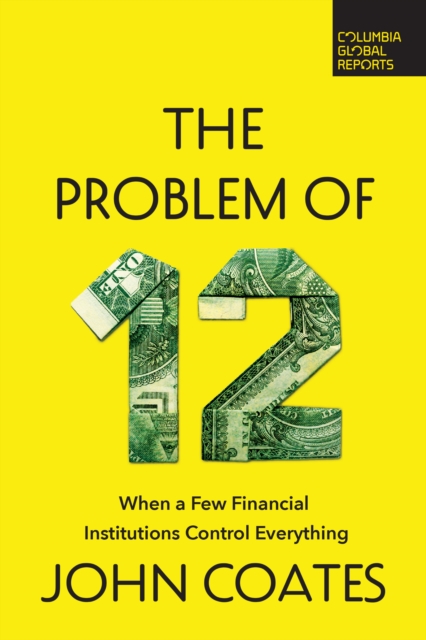
The forces behind an economic and political crisis in the makingA problem of twelve arises when a small number of institutions acquire the means to exert outsized influence over the politics and economy of a nation.