From acclaimed economists George Akerlof and Robert Shiller, the case for why government is needed to restore confidence in the economyThe global financial crisis has made it painfully clear that powerful psychological forces are imperiling the wealth of nations today.
In the standard analysis of economic institutions--which include social conventions, the working rules of an economy, and entitlement regimes (property relations)--economists invoke the same theories they use when analyzing individual behavior.
How writers after Adam Smith helped shape our thinking about economics and politicsFew issues are more central to our present predicaments than the relationship between economics and politics.
In his best-selling Irrational Exuberance, Robert Shiller cautioned that society's obsession with the stock market was fueling the volatility that has since made a roller coaster of the financial system.
The Body Economic revises the intellectual history of nineteenth-century Britain by demonstrating that political economists and the writers who often presented themselves as their literary antagonists actually held most of their basic social assumptions in common.
WATERSTONES BEST POLITICAL BOOKS OF THE YEAR 2021LONGLISTED FOR THE ANDREW CARNEGIE MEDAL'I am absurdly excited for this book' Caroline Criado PerezBestselling author Katrine Marcal reveals the shocking ways our deeply ingrained ideas about gender continue to hold us back.
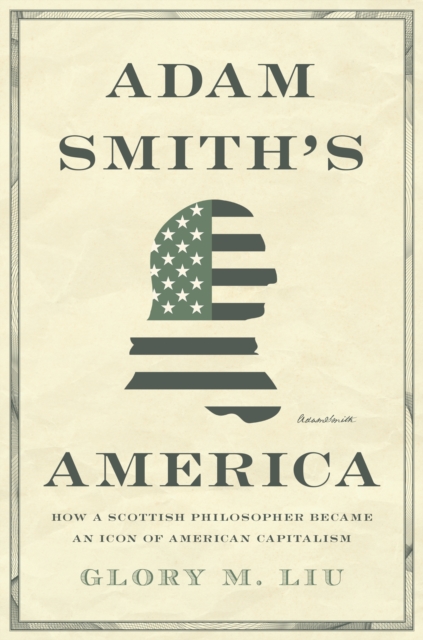
The unlikely story of how Americans canonized Adam Smith as the patron saint of free marketsOriginally published in 1776, Adam Smith's The Wealth of Nations was lauded by America's founders as a landmark work of Enlightenment thinking about national wealth, statecraft, and moral virtue.
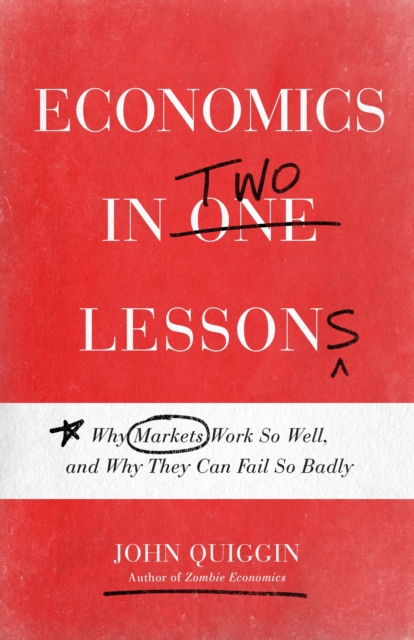
A masterful introduction to the key ideas behind the successes-and failures-of free-market economicsSince 1946, Henry Hazlitt's bestselling Economics in One Lesson has popularized the belief that economics can be boiled down to one simple lesson: market prices represent the true cost of everything.
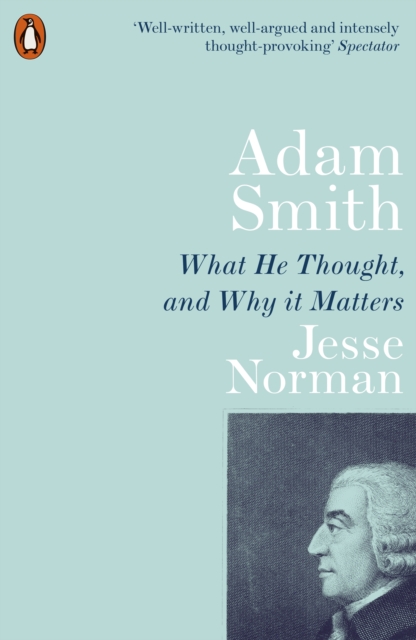
'A superb book' Financial Times, Books of the YearAdam Smith is now widely regarded as 'the father of modern economics' and the most influential economist who ever lived.
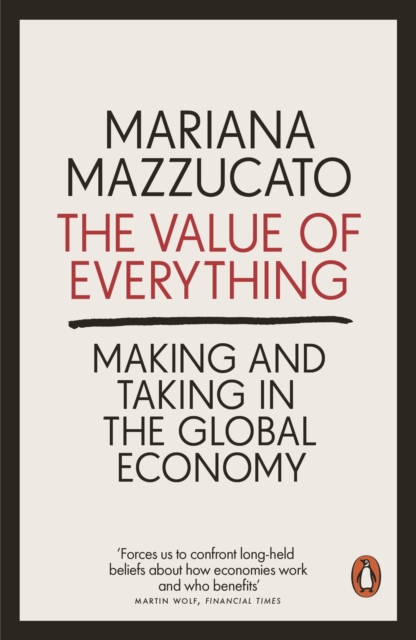
WINNER OF THE 2019 MADAME DE STA L PRIZE AND THE 2018 LEONTIEF PRIZE FOR ADVANCING THE FRONTIERS OF ECONOMIC THOUGHT SHORTLISTED FOR THE FT & MCKINSEY BUSINESS BOOK OF THE YEAR 2018Who really creates wealth in our world?
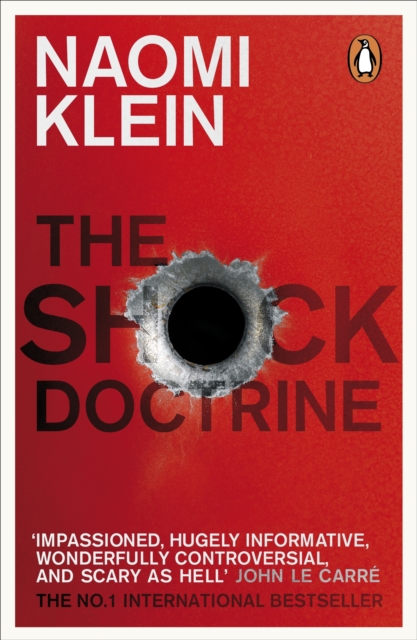
'Impassioned, hugely informative, wonderfully controversial, and scary as hell' John le Carr Around the world in Britain, the United States, Asia and the Middle East, there are people with power who are cashing in on chaos; exploiting bloodshed and catastrophe to brutally remake our world in their image.
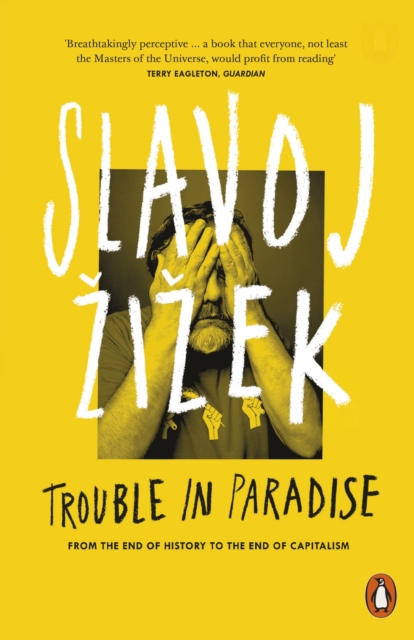
In Trouble in Paradise, Slavoj i ek, one of our most famous, most combative philosophers, explains how by drawing on the ideas of communism, we can find a way out of the crisis of capitalism.
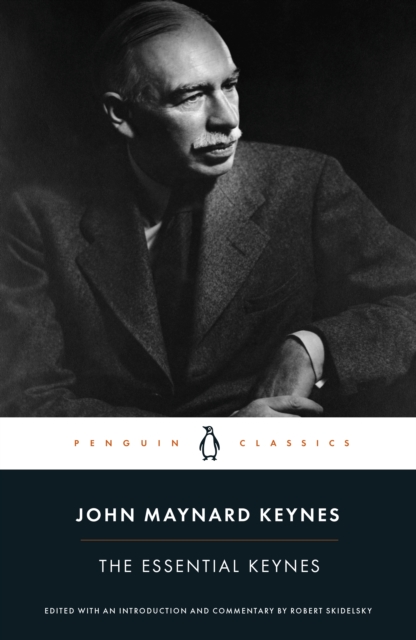
Edited with an introduction by ROBERT SKIDELSKY'Many of the greatest economic evils of our time are the fruits of risk, uncertainty, and ignorance'John Maynard Keynes was the most influential economist, and one of the most influential thinkers, of the twentieth century.
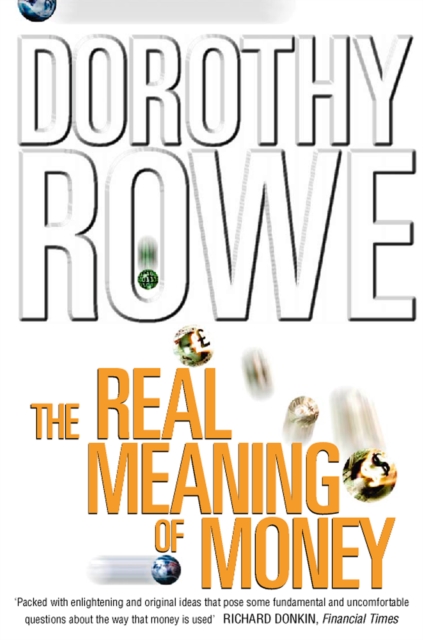
'A very important book about one of the last social taboos - with fascinating implications for us all' Helena Kennedy, QCA groundbreaking book in which Dorothy Rowe brings her insight and wisdom to the fascinating subject of money and its place in our lives.
Originally published in 1914, The Ragged Trousered Philanthropists is a timeless story of socialism, political awakenings and class struggle, told with a volatile mix of heartfelt rage and sly humour.
In this fascinating and often hilarious work - winner of the Royal Society of Science Prize 2007 - pre-eminent psychologist Daniel Gilbert shows how - and why - the majority of us have no idea how to make ourselves happy.
Sylvia Nasar, the author of the phenomenal bestseller A Beautiful Mind takes us on a journey through the epic story of the making of modern economics, and how it rescued mankind from squalor and deprivation by placing its material fate in its own hands, rather than in Fate.
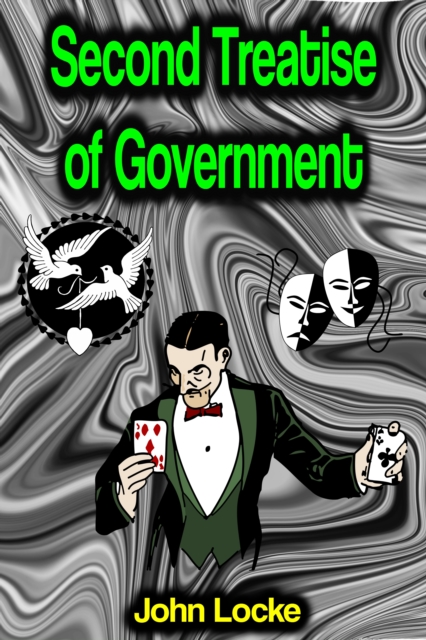
Second Treatise of Government - John Locke - Two Treatises of Government (or Two Treatises of Government: In the Former, The False Principles, and Foundation of Sir Robert Filmer, and His Followers, Are Detected and Overthrown.
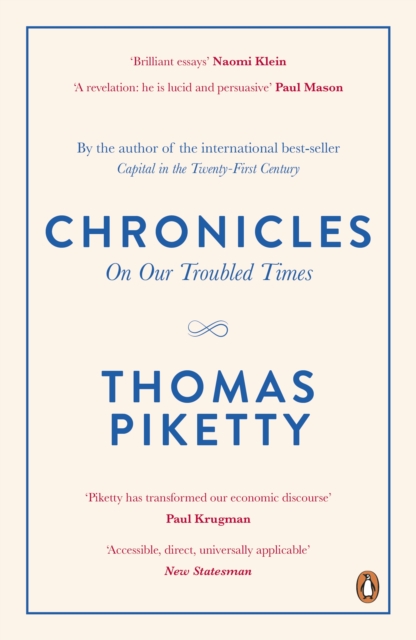
The return of the best-selling, award-winning economist extraordinaireWith the same powerful evidence, and range of reference, as his global bestseller Capital in the Twenty-First Century - and in columns of 700 words, rather than 700 pages - Chronicles sets out Thomas Piketty's analysis of the financial crisis, what has happened since and where we should go from here.
Like all of us, though few so visibly, Alan Greenspan was forced by the financial crisis of 2008 to question some fundamental assumptions about risk management and economic forecasting.
RADIO 4 BOOK OF THE WEEK Economic thinking - about globalisation, climate change, immigration, austerity, automation and much more - in its most digestible formFor decades, a single free market philosophy has dominated global economics.
Two of the UK's leading economists call for an end to extreme individualism as the engine of prosperity 'provocative but thought-provoking and nuanced' TelegraphThroughout history, successful societies have created institutions which channel both competition and co-operation to achieve complex goals of general benefit.
THE NEW INTERNATIONAL BESTSELLER FROM THE AUTHOR OF THE BIG SHORT AND FLASH BOYS'A gripping account of how two psychologists reshaped the way we think .
In Why Information Grows, rising star C sar Hidalgo offers a radical interpretation of global economicsWhile economists often turn to measures like GDP or per-capita income, C sar Hidalgo turns to information theory to explain the success or failure of a country's economic performance.
In 1930 the great economist Keynes predicted that, over the next century, income would rise steadily, people's basic needs would be met and no one would have to work more than fifteen hours a week.