The Goodwin-Niering Center for Conservation Biology and Environmental Studies at Connecticut College is a comprehensive, interdisciplinary program that builds on one of the nation's leading undergraduate environmental studies programs.
Decision Support Systems for Risk-Based Management of Contaminated Sites addresses decision making in environmental risk management for contaminated sites, focusing on the potential role of decision support systems in informing the management of chemical pollutants and their effects.
Engagement with and between a plurality of progressive, non-neoclassical traditions is an important step in fostering a more capacious understanding of sustainability - both as a concept and as a political objective.
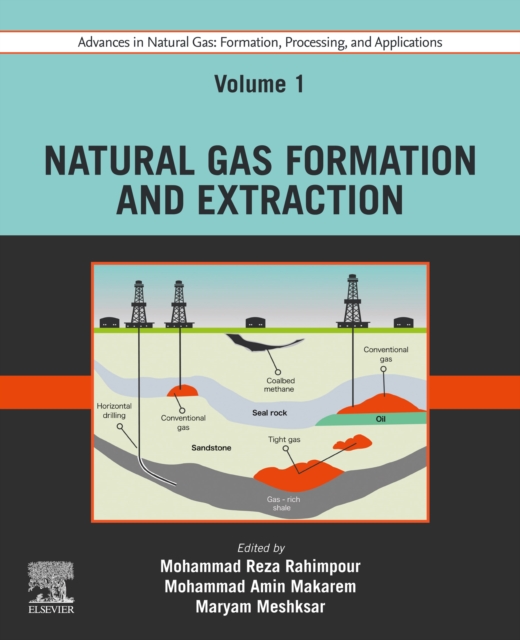
Advances in Natural Gas: Formation, Processing, and Applications is a comprehensive eight-volume set of books that discusses in detail the theoretical basics and practical methods of various aspects of natural gas from exploration and extraction, to synthesizing, processing and purifying, producing valuable chemicals and energy.
Financialization is a set of processes which has led to a financially driven and commodified economy with rising inequality, tax avoidance, and a lack of investment in the physical and social infrastructure.
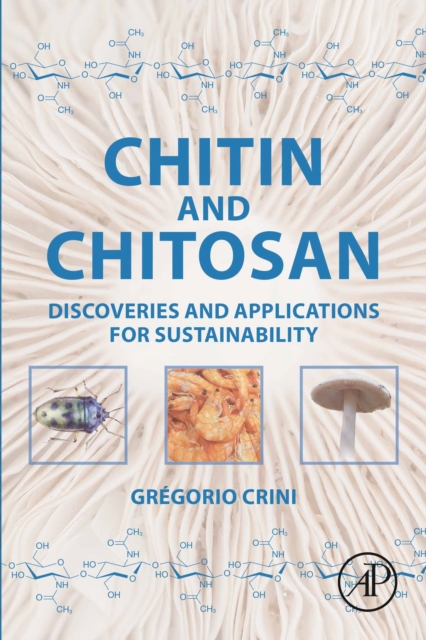
Chitin and Chitosan: Discoveries and Applications for Sustainability provides the most comprehensive knowledge on these organic biopolymers which come from the cellular makeup of crustaceans, mollusks and arthropods.
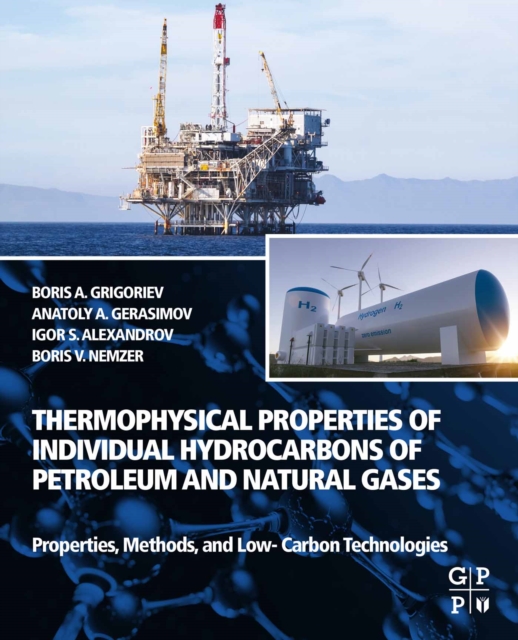
Thermophysical Properties of Individual Hydrocarbons of Petroleum and Natural Gases: Properties, Methods, and Low-Carbon Technologies is a go-to data source for engineers who need derive property data on everyday components.
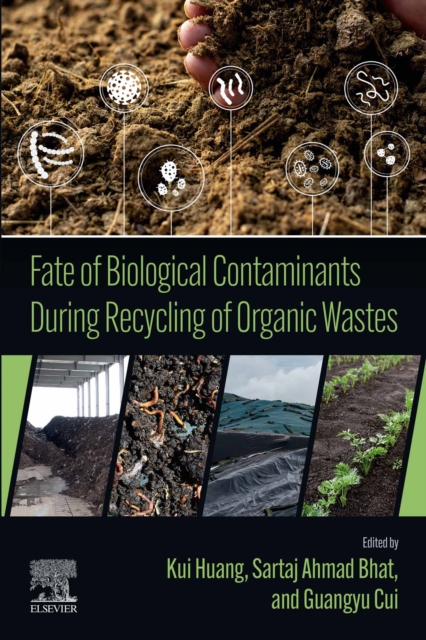
Fate of Biological Contaminants During Recycling of Organic Wastes covers the fate of viruses, HPBs, and ARGs in organic wastes, and their eliminating methods, including composting, vermicomposting and anaerobic digestion.
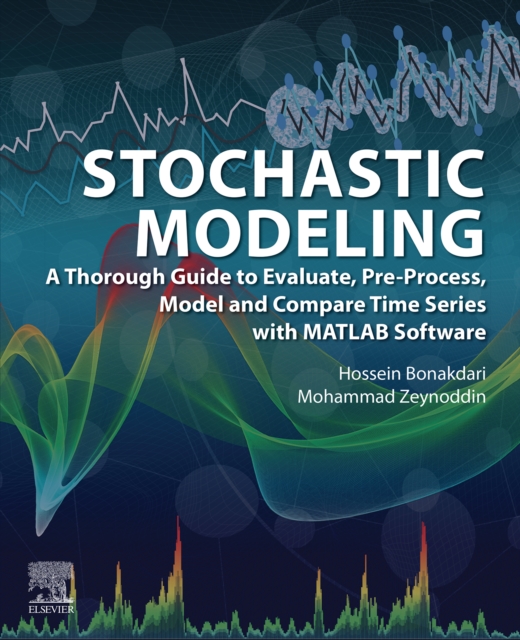
Stochastic Modeling: A Thorough Guide to Evaluate, Pre-Process, Model and Compare Time Series with MATLAB Software allows for new avenues in time series analysis and predictive modeling which summarize more than ten years of experience in the application of stochastic models in environmental problems.
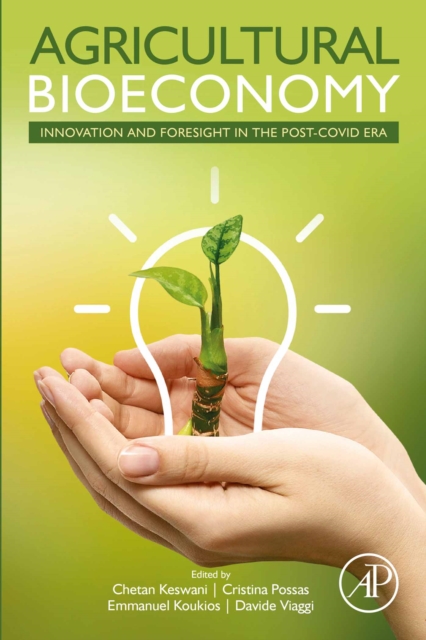
Agricultural Bioeconomy: Innovation and Foresight in the Post-COVID Era presents recent advancements in biotechnology, exploring the optimal utilization of technologies to provide rapid and impactful economic recovery and sustainable resources in a future that will bear the mark of COVID-19.
Until now, an approach to land use management planning that not only addresses economic issues, but also environmental concerns and health issues of land use has been lacking.
Authorities in the fields of environmental and international law and policy, political science, environmental technology, and public administration compare and contrast the ways in which the United States and the European Union handle similar environmental issues.
Integrating environmental and world-systems analyses in chapters ranging from the ancient to the contemporary, from the global to the local, from West to East, and from North to South, this book is the first collection to analyze environmental issues from the world-systems perspective.
This volume examines how far agribusiness corporations are responding to the opportunities and pressures resulting from emerging environmental awareness.
A Financial Times Best Business Book of the YearNamed one of 10 Best New Management Books for 2022 by Thinkers50An advocate of sustainable capitalism explains how it's done The EconomistPolman's new book with the sustainable business expert Andrew Winstonargues that it's profitable to do business with the goal of making the world better.
The most practical, up-to-date guide for turning Brownfields into Greenfields This ready-to-use, how-to manual--edited by active developers who have bought, remediated, and sold brownfields--gives you a commanding look at one of today's leading environmental issues.
A major new exploration of the economics of animal exploitation and a practical roadmap for how we can use the marketplace to promote the welfare of all living creatures, from the renowned animal-rights advocate Wayne Pacelle, President/CEO of the Humane Society of the United States and New York Times bestselling author of The Bond.
How knowing the extreme risks of climate change can help us prepare for an uncertain futureIf you had a 10 percent chance of having a fatal car accident, you'd take necessary precautions.
Rethinking Private Authority examines the role of non-state actors in global environmental politics, arguing that a fuller understanding of their role requires a new way of conceptualizing private authority.
The difficulties in moving towards corporate sustainability raise the question of how environmental and social management can be integrated better with economic business goals.
The difficulties in moving towards corporate sustainability raise the question of how environmental and social management can be integrated better with economic business goals.
Recent Developments in Green Finance, Green Growth and Carbon Neutrality explains the role of green finance in transforming the global economy into a green and carbon neutral one.
Explores the efforts to knot together woods around the Atlantic basin as resources for an English empireIn early modern England, wood scarcity was a widespread concern.
'A must read for all wildlife lovers' Dominic DyerFoxes, buzzards, crows, badgers, weasels, seals, kites - Britain and Ireland's predators are impressive and diverse and they capture our collective imagination.
From a Nobel Prize-winning pioneer in environmental economics, an innovative account of how and why "e;green thinking"e; could cure many of the world's most serious problems-from global warming to pandemicsSolving the world's biggest problems-from climate catastrophe and pandemics to wildfires and corporate malfeasance-requires, more than anything else, coming up with new ways to manage the powerful interactions that surround us.
#1 bestselling author and acclaimed venture capitalist John Doerr reveals a sweeping action plan to conquer humanity's greatest challenge: climate change.
Virtually all large-scale damage to the global environment is caused by economic activities, and the vast majority of economic planners in both business and government coordinate these activities on the basis of guidelines and prescriptions from neoclassical economic theory.
Community-based forest management (CBFM) is a model of forest management in which a community takes part in decision making and implementation, and monitoring of activities affecting the natural resources around them.
In the latest addition to the New Naturalist series, Ian Newton explores bird populations and what causes their fluctuation - food supplies, competitors, predators, parasites, pathogens and human activity.