This book extensively examines various contemporary macroeconomic themes of India, namely growth and macro policies, tax reforms, government finances and intergovernmental fiscal transfers, banking and monetary policy, and environment and social sector policies.
La aceptación de un enfoque ecológico es deber de los productores, en este sentido hay que intensificar los estudios de factibilidad que permitan reformular los productos de modo que se empleen atributos como: reciclabilidad y biodegradabilidad.
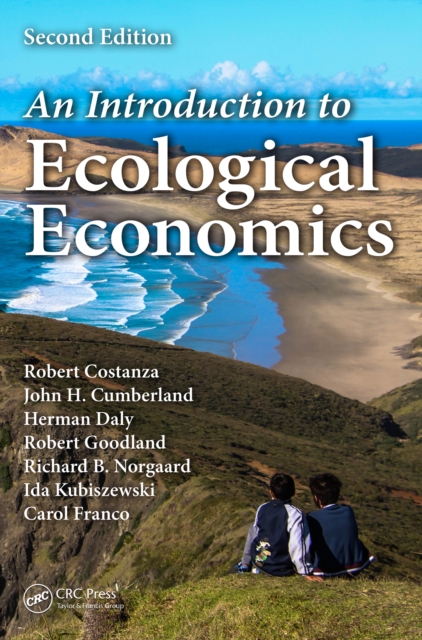
Ecological economics is an exciting interdisciplinary field of study that combines insights from the natural sciences, economics, philosophy and other fields to develop innovative approaches to environmental problems.
Systematic study of the geography distribution of the wood-processing industry has received recent Soviet attention, yet the results have been disappointing.
The purpose of this collection is to provide the student with an introduction to the way in which the discipline of economics tackles the problems posed in affluent societies by their various ‘waste’ products.
The Chinese Oil Industry: History and Future presents a wealth of tables and figures with new data on Chinese fossil fuel production and consumption, together with a peak oil model to forecast future trends in energy supply and demand.
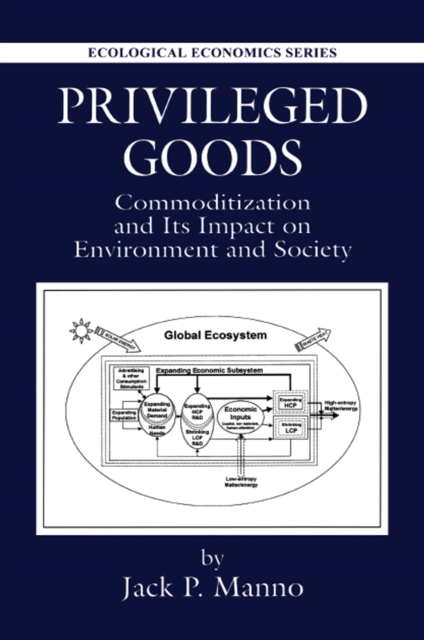
For the past 150 years, economics has been treated as a social science in which economies are modeled as a circular flow of income between producers and consumers.
Transportation contributes to roughly a fifth of greenhouse gas emissions, and as a growing sector of the economy, its contribution to climate change, if remained unchanged, could even grow.
This book provides an overview of the state of animal agriculture and present methodologies and proposals to develop policies that result in sustainable and profitable animal production that will protect human and environmental health, enhance livelihood of smallholders and meet consumer needs.
The 21st century promises to be an era dominated by international response to c- tain global environmental challenges such as climate change, depleting biodiversity and biocapacity as well as general atmospheric, water and soil pollution problems.
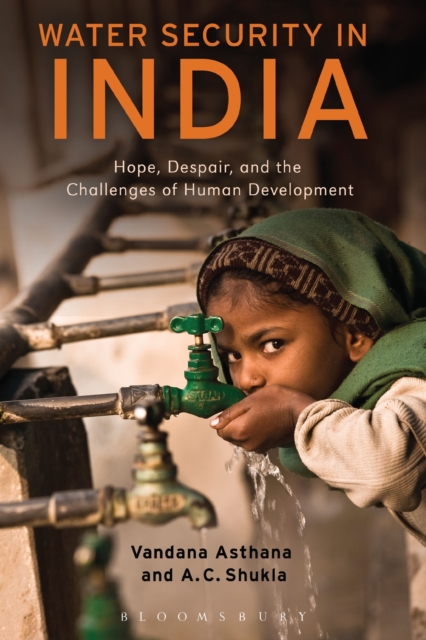
Few people actively engaged in India's water sector would deny that the Indian subcontinent faces serious problems in the sustainable use and management of water resources.
Few people actively engaged in India's water sector would deny that the Indian subcontinent faces serious problems in the sustainable use and management of water resources.
This book explains how environmental projects and improvements are achieved through the imposition of regulations, on the one hand, and financial incentives on the other.
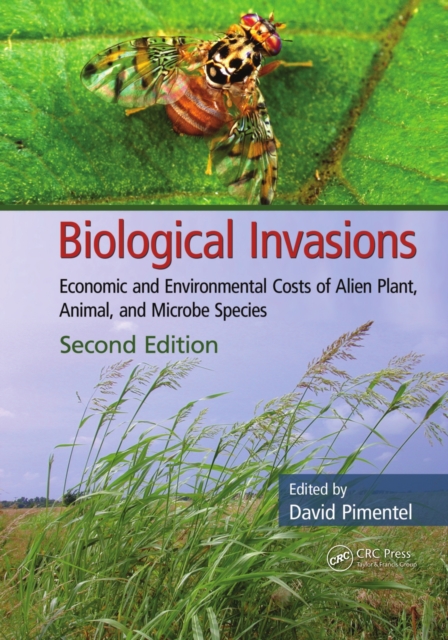
Invasion of non-native plant species, which has a significant impact on the earth's ecosystems, has greatly increased in recent years due to expanding trade and transport among different countries.
Despite all the controversy and hype that climate change has generated, there now exists an overwhelming body of scientific evidence that the problem is real and that its effects are already being felt on a global scale.
The impact of invasive species is second only to that of human population growth and associated activities as a cause of the loss of biodiversity throughout the world.
Westra recounts how the unceremonious collapse of Soviet-style socialism, coupled with mounting awareness of unfolding environmental destruction and irreversible climate change opened the door to a new, wide-ranging, social change literature.
Whether addressing pollution problems or helping protect a specific use, watershed associations are finding that the competition for funds is getting harder.
Choosing the optimal management option requires environmental risk managers and decision makers to evaluate diverse, and not always congruent, needs and interests of multiple stakeholders.
Sustainable Agroecosystem Management: Integrating Ecology, Economics, and Society examines the challenges for developing integrated approaches to the management of agricultural ecosystems.
Evaluating a wealth of quantitative data, Biofuels: Biotechnology, Chemistry, and Sustainable Development discusses different types of biofuels, the science behind their production, the economics of their introduction to the marketplace, their environmental impacts, and their implications for world agriculture.
Economic Theory for Environmentalists is a much-needed and heralded new book that examines the implications of neoclassical economic theory and how it relates to the environment and environmental activity.
Balances Scientific and Economic Points of View to Thoroughly Address Management IssuesResponding to the need for clarification and benchmarks, Environmental Life Cycle Costing provides the fundamental basis on which to establish a definitive methodology.
Featuring contributions from leading experts in the field, Climate Change and Managed Ecosystems examines the effects of global climate change on intensively constructed or reconstructed ecosystems, focusing on land use changes in relation to forestry, agriculture, and wetlands including peatlands.
The potential to mitigate greenhouse gas emissions and global climate change is one factor driving agricultural policy development of programs that might pay farmers for practices with a high potential to sequester carbon.