Economic Development of Communist China: An Appraisal of the First Five Years of Industrialization analyzes the rapid economic transformation in China between 1952 and 1957 under the First Five-Year Plan.
Whether addressing pollution problems or helping protect a specific use, watershed associations are finding that the competition for funds is getting harder.
Workplace Clinics and Employer Managed Healthcare: A Catalyst for Cost Savings and Improved Productivity is not another diatribe on the national healthcare problem.
Nonpharmacological treatments include a wide variety of treatments such as surgery, technical procedures, implantable and non-implantable devices, rehabilitation, psychotherapy, and behavioral interventions.
Choosing the optimal management option requires environmental risk managers and decision makers to evaluate diverse, and not always congruent, needs and interests of multiple stakeholders.
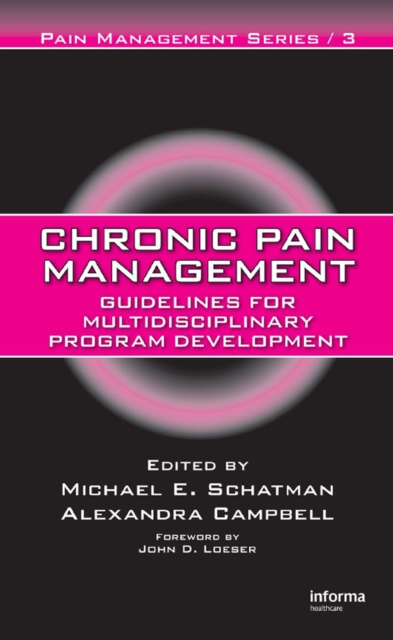
Chronic Pain Management: Guidelines for Multidisciplinary Program Development is the most comprehensive textbook to date on the multidisciplinary approach to chronic pain management.
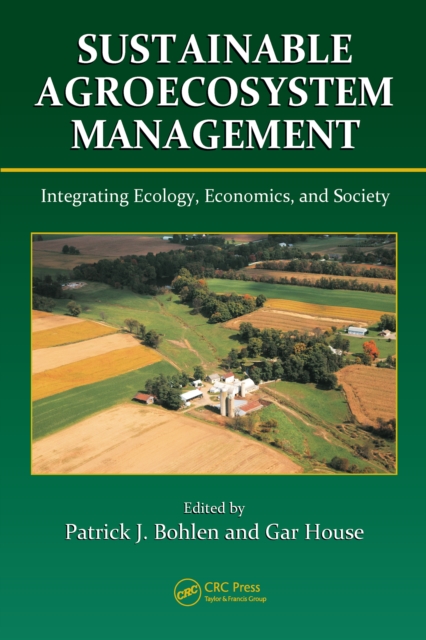
Sustainable Agroecosystem Management: Integrating Ecology, Economics, and Society examines the challenges for developing integrated approaches to the management of agricultural ecosystems.
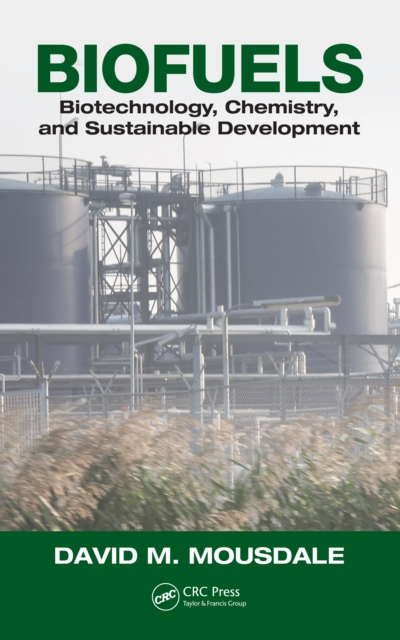
Evaluating a wealth of quantitative data, Biofuels: Biotechnology, Chemistry, and Sustainable Development discusses different types of biofuels, the science behind their production, the economics of their introduction to the marketplace, their environmental impacts, and their implications for world agriculture.
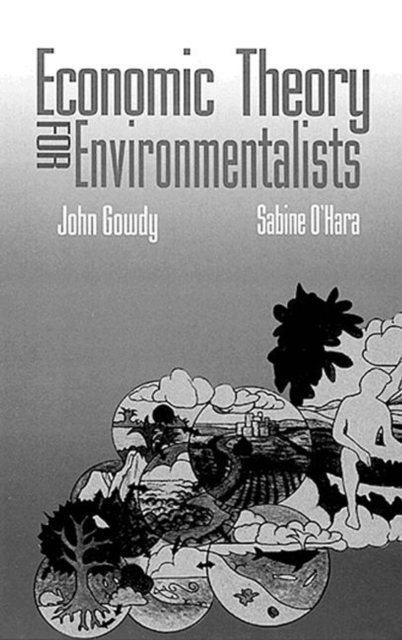
Economic Theory for Environmentalists is a much-needed and heralded new book that examines the implications of neoclassical economic theory and how it relates to the environment and environmental activity.
It is estimated that 80 to 90% of drugs under development never make it to the marketplace due to insufficient clinical activity, unacceptable toxicity, rapid appearance of drug resistance, or other factors that should be, at least partially, predictable from preclinical testing.
Balances Scientific and Economic Points of View to Thoroughly Address Management IssuesResponding to the need for clarification and benchmarks, Environmental Life Cycle Costing provides the fundamental basis on which to establish a definitive methodology.
Better Manage Soil C for Improved Soil Quality In the United States, soil has fueled the availability of abundant, safe food, thus underpinning economic growth and development.
Written by experts from across the globe, Herbicide Resistance and World Grains evaluates the weed and herbicide management systems in major world grain crops such as soybean, maize, rice, and canola.
Featuring contributions from leading experts in the field, Climate Change and Managed Ecosystems examines the effects of global climate change on intensively constructed or reconstructed ecosystems, focusing on land use changes in relation to forestry, agriculture, and wetlands including peatlands.
The potential to mitigate greenhouse gas emissions and global climate change is one factor driving agricultural policy development of programs that might pay farmers for practices with a high potential to sequester carbon.
This publication provides a state-of-the-art overview of key issues related to antimicrobial resistance, including a focus on key pathogens causing common healthcare-associated and community-acquired infections.
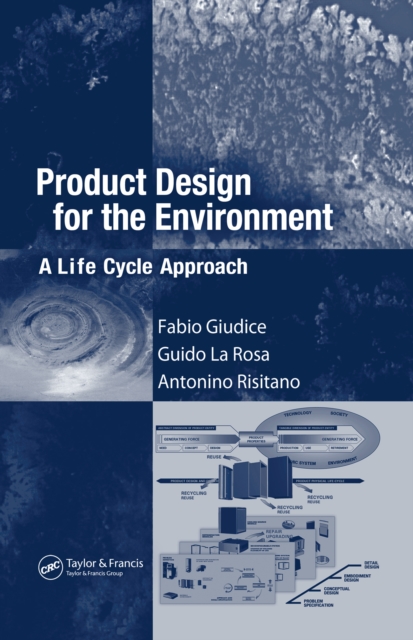
In recent years the increased awareness of environmental issues has led to the development of new approaches to product design, known as Design for Environment and Life Cycle Design.
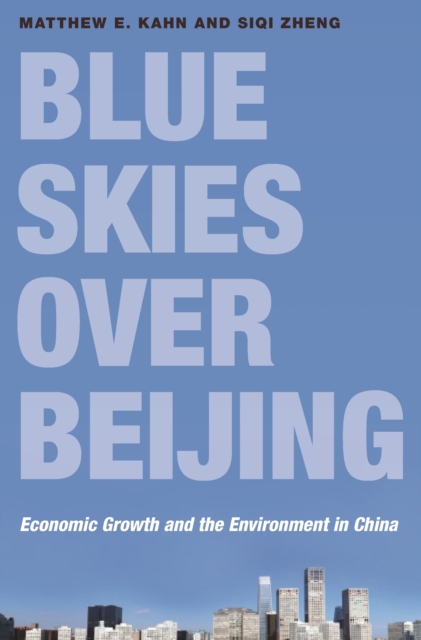
How individuals and the government are changing life in China's polluted citiesOver the past thirty years, even as China's economy has grown by leaps and bounds, the environmental quality of its urban centers has precipitously declined due to heavy industrial output and coal consumption.
Sustainability Accounting and Reporting: Theory and Practice provides a comprehensive guide to understanding and applying the latest global framework for disclosing sustainability-related risks and opportunities by public-sector business entities, irrespective of whether the entity follows IFRS or GAAP.
'Splendid and necessary' - Henry Marsh, author of Do No Harm, New StatesmanThere are dramatic differences in health between countries and within countries.
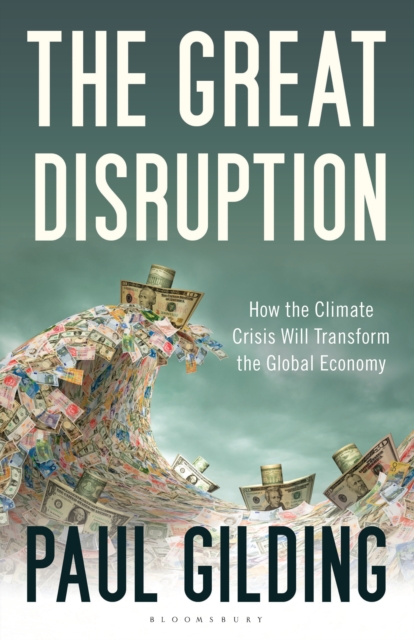
A major new analysis and action plan to deal with two linked challenges to human ingenuity and human survival - the crisis of climate change and the world economic crash.
"e;Economists agree about many things--contrary to popular opinion--but the majority agree about culture only in the sense that they no longer give it much thought.
Rethinking Private Authority examines the role of non-state actors in global environmental politics, arguing that a fuller understanding of their role requires a new way of conceptualizing private authority.
This book offers a vision of the future of electricity supply systems and CIGRE's views on the know-how that will be needed to manage the transition toward them.
The Economics of the Environment and Natural Resources covers the essential topics students need to understand environmental and resource problems and their possible solutions.
Dieses praxisorientierte Handbuch führt systematisch in die Welt des Online Pokers ein und richtet sich sowohl an Einsteiger als auch fortgeschrittene Spieler.
The purpose of this book is to call for a wholesale rethinking of the way that markets treat both the labour and natural resources on which we all depend.
Yew-Kwang Ng looks to make welfare economics more complete by discussing the recent inframarginal analysis of division of labour and by pushing welfare economics from the level of preference to that of happiness, making a reformulation of the foundation of public policy necessary.
From the first vague idea to use Konrad Hagedorn's 60th birthday as an inspi- tion for taking stock of his vibrant academic contributions, this joint book project has been a great pleasure for us in many ways.
Adaptive management is the recommended means for continuing ecosystem management and use of natural resources, especially in the context of 'integrated natural resource management'.
Many potential questions regarding the risks associated with the development and use of wide-ranging technologies enabled through engineered nanomaterials.