Despite decades of macroeconomic reforms, poverty reduction plans and rural growth strategies, poverty is persistent and environmental degradation is accelerating in the developing world.
The world's trade regime is promoted by international agencies and most governments as the best way to lift the poor out of poverty and achieve sustainable development.
The world's trade regime is promoted by international agencies and most governments as the best way to lift the poor out of poverty and achieve sustainable development.
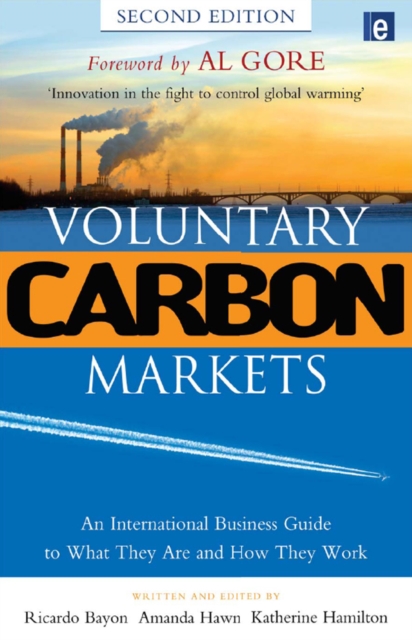
With the ever-increasing impacts of climate change, it is now clear that global society will have to restructure its energy systems in order to decrease carbon emissions.
With the ever-increasing impacts of climate change, it is now clear that global society will have to restructure its energy systems in order to decrease carbon emissions.
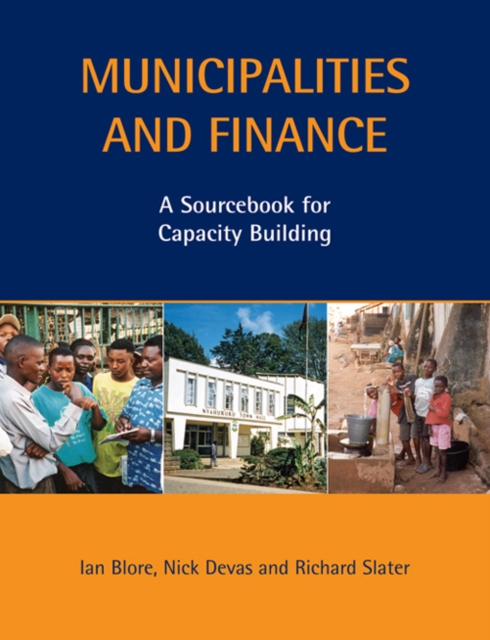
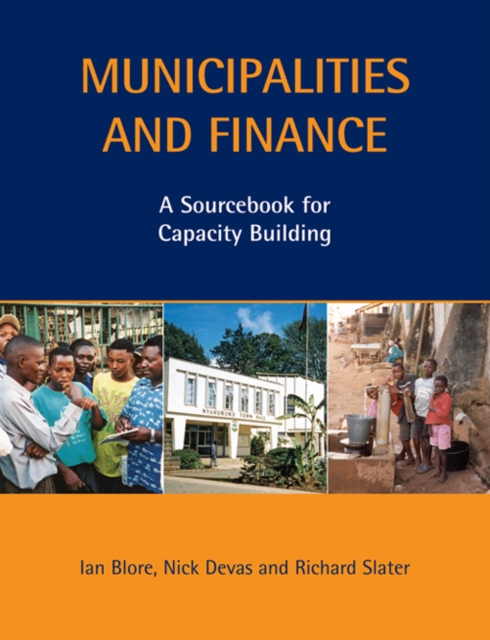
Finance is a critical issue for municipal governments around the world, and a major constraint on the delivery of pro-poor services at the local level.
Finance is a critical issue for municipal governments around the world, and a major constraint on the delivery of pro-poor services at the local level.
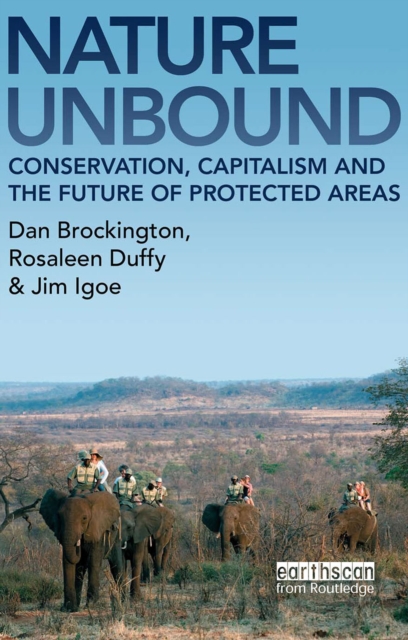
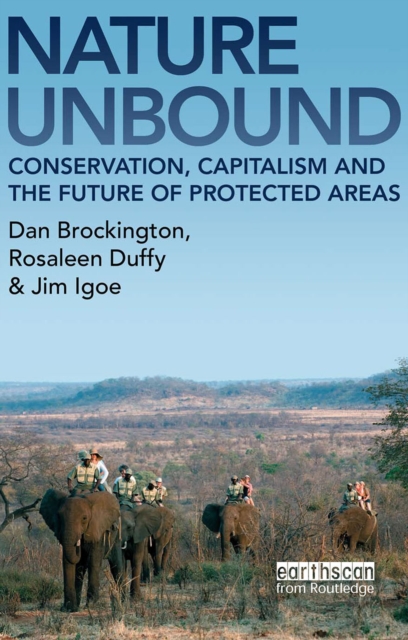
This groundbreaking volume is the first comprehensive, critical examination of the rise of protected areas and their current social and economic position in our world.
This groundbreaking volume is the first comprehensive, critical examination of the rise of protected areas and their current social and economic position in our world.
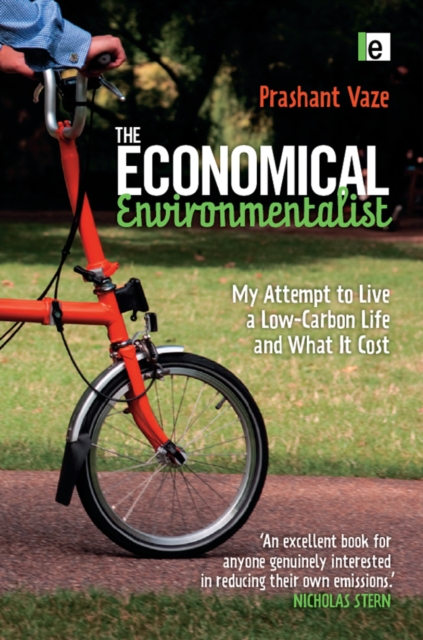
This highly readable yet challenging book provides a critical examination of the failings of mainstream economics and the resultant environmental problems we are facing.
This highly readable yet challenging book provides a critical examination of the failings of mainstream economics and the resultant environmental problems we are facing.
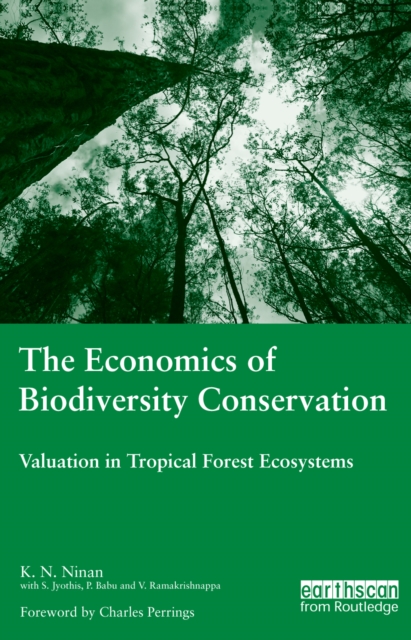
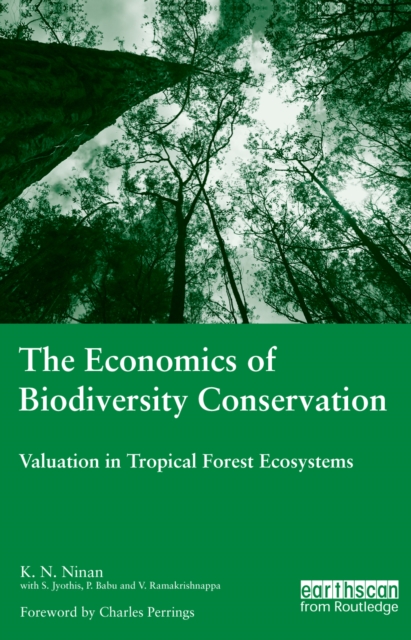
Economic valuation of biodiversity and ecosystem services is possibly the most powerful tool for halting the loss of biodiversity while maintaining incomes and livelihoods.
Economic valuation of biodiversity and ecosystem services is possibly the most powerful tool for halting the loss of biodiversity while maintaining incomes and livelihoods.
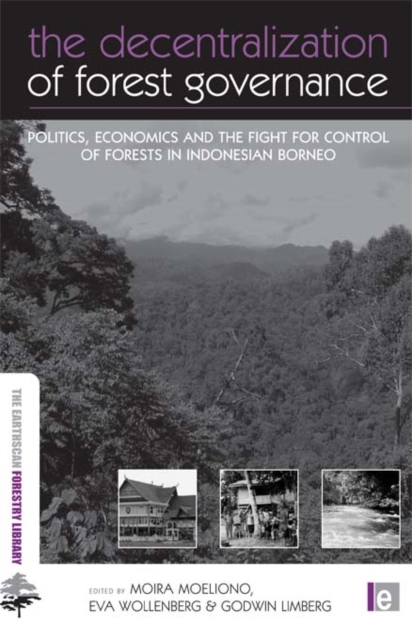
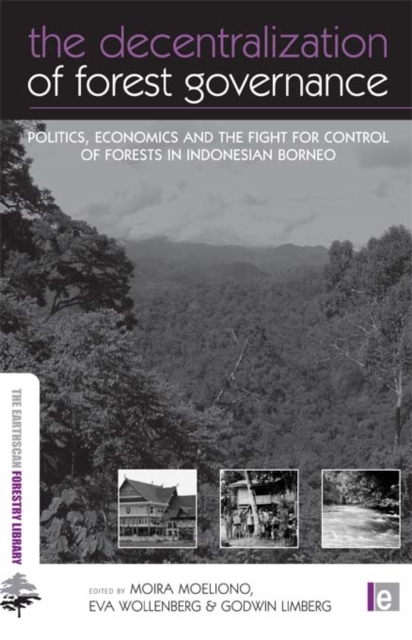
'This book provides an excellent overview of more than a decade of transformation in a forest landscape where the interests of local people, extractive industries and globally important biodiversity are in conflict.
'This book provides an excellent overview of more than a decade of transformation in a forest landscape where the interests of local people, extractive industries and globally important biodiversity are in conflict.
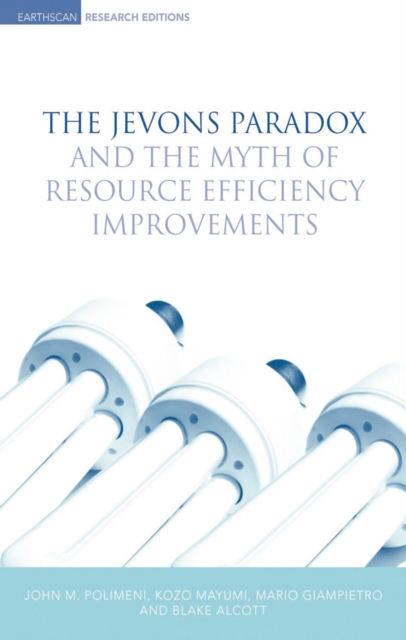
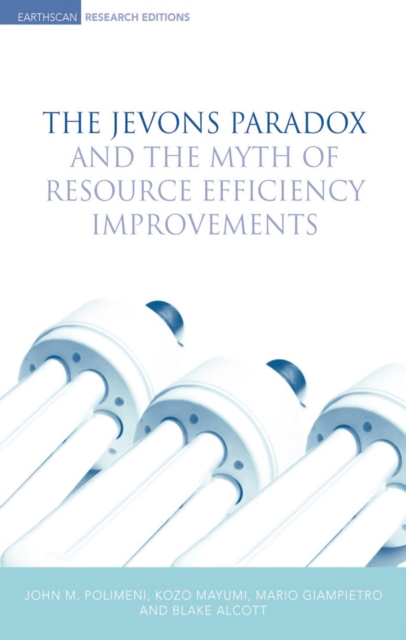
,The Jevons Paradox,, which was first expressed in 1865 by William Stanley Jevons in relation to use of coal, states that an increase in efficiency in using a resource leads to increased use of that resource rather than to a reduction.
,The Jevons Paradox,, which was first expressed in 1865 by William Stanley Jevons in relation to use of coal, states that an increase in efficiency in using a resource leads to increased use of that resource rather than to a reduction.
Economics is unavoidably central to any attempt to improve our quality of life, but most people do not know why, or how to question its underlying assumptions.
Economics is unavoidably central to any attempt to improve our quality of life, but most people do not know why, or how to question its underlying assumptions.
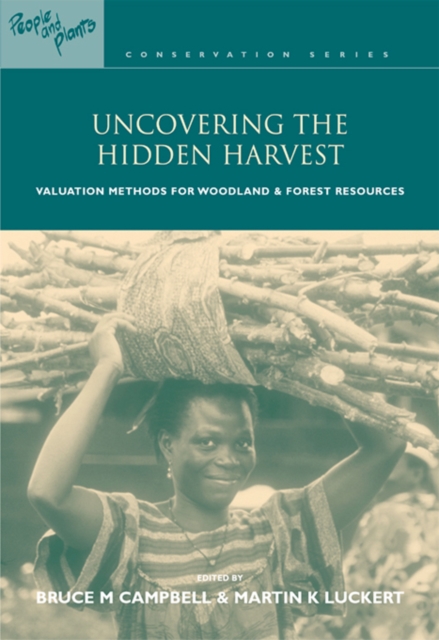
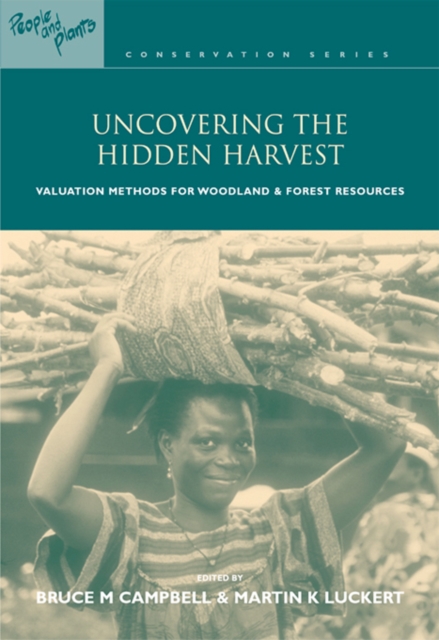
Forests and woodlands provide an enormous range of goods and services to society, from timber and firewood to medicinal plants, watershed protection, destinations for tourists and sacred sites.
Forests and woodlands provide an enormous range of goods and services to society, from timber and firewood to medicinal plants, watershed protection, destinations for tourists and sacred sites.
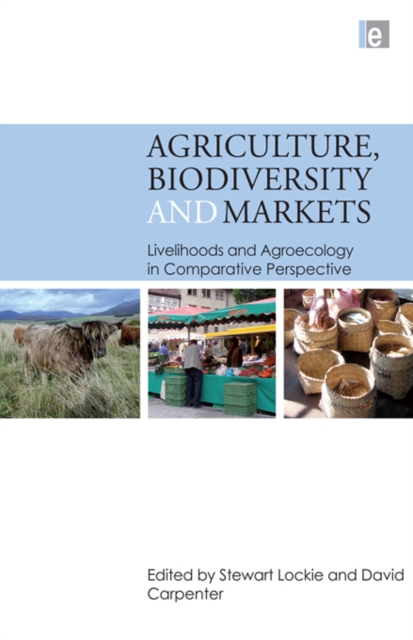
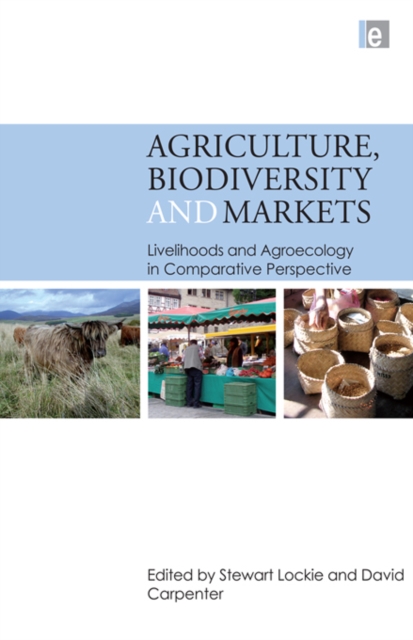
Debate about how best to ensure the preservation of agricultural biodiversity is caught in a counter-productive polemic between proponents and critics of market-based instruments and agricultural modernisation.
Debate about how best to ensure the preservation of agricultural biodiversity is caught in a counter-productive polemic between proponents and critics of market-based instruments and agricultural modernisation.
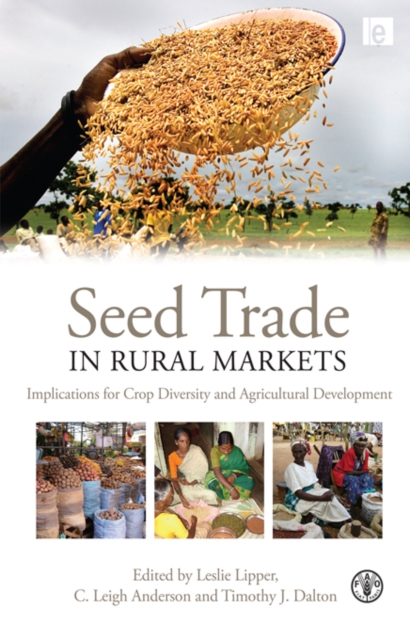
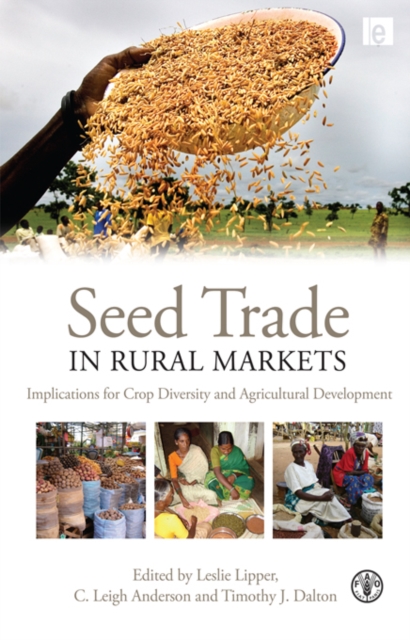
Markets have been found to be an increasingly important source of the seeds of crops and varieties low income farmers need to improve their livelihoods, encompassing both the formal and informal seed sector.
Markets have been found to be an increasingly important source of the seeds of crops and varieties low income farmers need to improve their livelihoods, encompassing both the formal and informal seed sector.